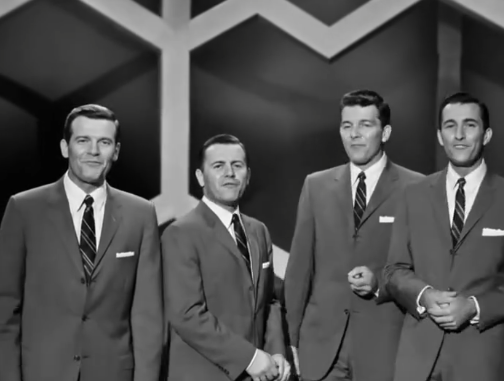
The 1950s marked a pivotal era in popular music, characterized by an exciting blend of emerging genres and evolving musical styles. Among the many contributions that defined this decade, a particular song stands out for its enduring appeal and influence: “Little Darlin’” by The Diamonds. Released in 1957, this track has become emblematic of the doo-wop style and holds a significant place in the history of early rock and roll.
Understanding the Musical Landscape of the 1950s
During the mid-20th century, American popular music was undergoing rapid transformation. The rise of rock and roll challenged earlier musical conventions, bringing a new energy that captivated young audiences. Vocal harmony groups, particularly those associated with the doo-wop genre, played an integral role in shaping the soundscape. These groups often combined smooth harmonies with heartfelt lyrics about love and relationships, creating a style that was both accessible and emotionally resonant.
The Diamonds emerged as one of the noteworthy vocal ensembles of this period. Known for their polished performances and ability to reinterpret songs with a unique flair, they contributed to making doo-wop more widely recognized. Their version of “Little Darlin’” exemplifies this approach, blending catchy melodies with engaging vocal techniques.
Origins and Adaptation of “Little Darlin’”
Originally penned and recorded by The Gladiolas, “Little Darlin’” found its broader audience through The Diamonds’ adaptation. The group’s rendition retained the essence of the original but introduced a refined vocal arrangement and production that appealed to mainstream listeners. Their interpretation featured tight harmonies and a dynamic delivery that enhanced the song’s emotional impact.
One of the defining characteristics of The Diamonds’ version is the interplay between smooth singing and expressive spoken-word segments. This stylistic choice added theatricality and personality, distinguishing the track from other contemporaneous recordings. The result was a memorable and engaging listening experience that resonated with a wide audience.
Musical Structure and Lyrical Themes
The song’s composition reflects hallmark elements of the doo-wop genre, including straightforward chord progressions and a focus on vocal harmonization. Lyrically, “Little Darlin’” centers on themes of affection and admiration, common motifs in 1950s popular music. These universal themes, combined with an upbeat tempo and catchy chorus, contributed to the track’s widespread popularity.
The chorus, in particular, became instantly recognizable, serving as a signature moment that listeners could easily recall. This melodic hook helped cement the song’s place on music charts and in the collective memory of the era.
Cultural Impact and Legacy
Over the decades, “Little Darlin’” has maintained a presence in popular culture. It is frequently played on oldies radio stations and included in compilations celebrating classic rock and roll and doo-wop music. Its continued relevance speaks to its ability to connect with listeners across generations.
The song also played a role in spotlighting vocal harmony groups during a time when instrumental rock was gaining prominence. By achieving commercial success, The Diamonds demonstrated that vocal arrangements could hold significant appeal alongside the rising popularity of guitar-driven music.
Moreover, “Little Darlin’” serves as a cultural artifact representing the transitional phase in popular music when traditional pop sensibilities merged with the spirited energy of rock and roll. This blend helped pave the way for future musical innovations and influenced the development of various genres.
Preservation of Doo-Wop Traditions
Doo-wop, with its roots in African American communities, played a critical role in shaping mid-century American music. The Diamonds’ success with “Little Darlin’” helped bring this genre to a broader audience, contributing to the preservation and appreciation of vocal harmony traditions.
The song’s enduring popularity encourages contemporary listeners to explore the rich history of doo-wop and its influence on modern music. It highlights the significance of vocal groups in the evolution of popular styles and underscores the genre’s role in breaking cultural and musical barriers.
Continued Relevance in Modern Times
Today, “Little Darlin’” continues to be celebrated for its musical craftsmanship and nostalgic charm. Its inclusion in music retrospectives and classic collections ensures that new generations have the opportunity to experience an important piece of 1950s musical heritage.
The track’s appeal lies not only in its catchy melody but also in its emotional simplicity and authenticity. These qualities allow it to transcend its original era and remain meaningful to listeners regardless of their age or background.
Lessons for Music Enthusiasts and Historians
For those interested in the history of popular music, “Little Darlin’” offers valuable insights into the dynamics of the 1950s music scene. It exemplifies how vocal groups could achieve mainstream success and influence broader musical trends.
The song also invites reflection on the processes of musical adaptation and reinterpretation. The Diamonds’ version shows how existing material can be transformed through arrangement and performance choices to reach new audiences.
In conclusion, “Little Darlin’” by The Diamonds stands as a testament to the enduring power of well-crafted vocal music. Its impact on the doo-wop genre and 1950s popular music continues to be recognized, making it a significant chapter in the story of American musical development. Whether appreciated for its historical importance or its timeless sound, the song remains a cherished example of mid-century musical artistry.
The Role of Production Techniques in Enhancing “Little Darlin’”
One often overlooked aspect of “Little Darlin’” is the production quality that helped elevate the song beyond a simple vocal harmony piece. During the 1950s, recording technology was rapidly advancing, allowing producers and engineers to experiment with sound layering, microphone placement, and mixing techniques. The Diamonds’ version benefited from these improvements, featuring a clearer separation of vocal parts and a balanced instrumental backing that enhanced the overall listening experience.
The producer’s role in shaping the sound was crucial in emphasizing the theatrical elements of the performance. By capturing the nuances of the spoken-word segments and blending them seamlessly with the harmonies, the production added depth and character to the recording. This attention to detail contributed to the song’s appeal on radio and jukeboxes, where clarity and immediacy were essential.
Influence on Subsequent Artists and Genres
“Little Darlin’” did not merely serve as an isolated hit; its stylistic elements resonated with many artists who followed. The song’s blend of vocal harmony and expressive delivery influenced a range of musicians in the late 1950s and early 1960s, including those in the burgeoning Motown scene and early soul music. The emphasis on vocal arrangements and emotional storytelling found echoes in the works of groups like The Temptations and The Four Seasons.
Moreover, the theatricality of “Little Darlin’” anticipated later developments in pop and rock music where narrative and performance style became integral to a song’s identity. This connection highlights the track’s role as a bridge between doo-wop traditions and more elaborate musical presentations that became common in the 1960s and beyond.
The Diamonds’ Career Beyond “Little Darlin’”
While “Little Darlin’” remains The Diamonds’ most enduring hit, the group enjoyed a broader career that contributed to the popularization of vocal harmony music. Formed in the early 1950s, The Diamonds were known for their ability to adapt songs from various genres, making them accessible to mainstream audiences. Their repertoire included covers of rhythm and blues hits as well as original material, showcasing their versatility.
The success of “Little Darlin’” helped solidify their reputation and opened doors for television appearances and touring opportunities. Although subsequent releases did not match the commercial impact of their signature track, The Diamonds maintained a loyal fan base and continued to perform for decades, preserving the legacy of the doo-wop style.
Contextualizing Doo-Wop Within 1950s Social and Cultural Movements
Doo-wop music, including songs like “Little Darlin’,” emerged during a complex social period in American history. Rooted in African American urban neighborhoods, the genre reflected a blend of gospel, rhythm and blues, and pop influences. It provided a form of expression that resonated with youth across racial and socioeconomic lines.
The Diamonds’ success with “Little Darlin’” also illustrates how doo-wop crossed cultural boundaries, reaching diverse audiences. This crossover helped challenge segregation in the music industry by bringing African American musical styles into predominantly white markets. While The Diamonds themselves were a Canadian group consisting primarily of white members, their interpretations of doo-wop songs contributed to the genre’s mainstream acceptance.
Preservation Efforts and Modern Revivals
In recent decades, efforts to preserve and celebrate doo-wop music have gained momentum. Organizations, historians, and enthusiasts have worked to archive recordings, document group histories, and promote live performances that keep the genre alive. “Little Darlin’” often features prominently in these preservation initiatives due to its representative sound and widespread recognition.
Additionally, the song has appeared in films, television shows, and commercials that evoke the 1950s era, further cementing its place in popular culture. These modern revivals introduce the track to younger audiences and provide context for the historical and musical significance of doo-wop.
Analyzing the Song’s Lyrics Through a Contemporary Lens
While “Little Darlin’” reflects the romantic themes typical of its time, modern listeners may find value in examining its lyrics through a contemporary perspective. The song’s straightforward expressions of affection and longing offer insight into the social norms and communication styles of the 1950s.
This analysis can foster discussions about how themes of love and relationships have evolved in popular music and how cultural context shapes lyrical content. Recognizing these shifts enhances appreciation for both historical works and contemporary songs.
Educational Applications and Music Appreciation
“Little Darlin’” serves as an excellent educational tool for teaching music history, vocal harmony techniques, and cultural studies. Music educators often use the song to illustrate characteristics of doo-wop, including chord structures, vocal interplay, and performance style.
Furthermore, the track provides a gateway for students to explore broader topics such as the evolution of American popular music, the impact of racial integration on the music industry, and the technological advances in recording during the mid-20th century. Its accessibility and appeal make it a valuable resource in classrooms and music appreciation programs.
Conclusion: The Enduring Significance of “Little Darlin’”
As a cultural and musical milestone, “Little Darlin’” by The Diamonds encapsulates the spirit of a transformative era in popular music. Its artistic qualities, historical context, and lasting influence demonstrate the power of vocal harmony and emotive performance to transcend time.
By continuing to engage new audiences and inspire musicians, the song affirms the importance of preserving and studying early rock and roll and doo-wop traditions. In doing so, it ensures that the contributions of The Diamonds and their contemporaries remain an integral part of the American musical narrative.
The Impact of Regional Radio and Jukebox Culture on “Little Darlin’”
In the 1950s, regional radio stations and jukeboxes played a crucial role in popularizing songs like “Little Darlin’.” Unlike today’s centralized media landscape, music dissemination was often localized, with DJs influencing what songs gained traction in specific areas. The Diamonds’ recording benefited significantly from airplay on these stations, which helped the song reach diverse audiences across different geographic regions. Jukeboxes in diners, dance halls, and other social venues further amplified the song’s appeal, allowing listeners to engage with the music in communal settings. This grassroots level of exposure contributed to the song’s climb on national charts and cemented its place in the collective memory of 1950s youth.
The Role of Cover Versions and Interpretations
“Little Darlin’” is an example of a song whose success was shaped by multiple interpretations. While The Diamonds’ version is the most commercially successful and widely remembered, the original by The Gladiolas and other subsequent covers highlight how songs during this era often evolved through reinterpretation. Cover versions were a common practice in the music industry at the time, sometimes leading to debates about authenticity and cultural appropriation. However, these renditions also facilitated the cross-pollination of musical styles and brought songs to broader audiences who might not have otherwise encountered them. Understanding this dynamic provides deeper insight into the mechanisms of music circulation and the collaborative nature of popular music development in the 1950s.
Technological Advances and Their Influence on Performance Style
The 1950s saw significant advancements in recording technology, including the widespread adoption of magnetic tape and improved microphone designs. These innovations allowed artists like The Diamonds to experiment with vocal layering and dynamic contrasts in ways that were previously difficult to capture. In “Little Darlin’,” the clarity and separation of vocal parts were enhanced by these technological improvements, enabling the theatrical spoken interludes and harmonies to stand out effectively. This period marked a transition from live, monaural recordings to more sophisticated studio productions that influenced how performers approached their craft. Consequently, production techniques became an integral part of a song’s identity, shaping listener expectations and setting new standards for popular music.
The Diamonds Within the Broader Context of Canadian Contributions to Rock and Roll
While often associated with American doo-wop and rock and roll, The Diamonds were a Canadian group that played a significant role in the international popularization of these genres. Their success with “Little Darlin’” and other hits helped demonstrate that Canadian artists could compete on the global stage during a time when American music industries dominated the market. This cross-border influence contributed to a richer, more interconnected North American music scene. Recognizing The Diamonds’ Canadian origins adds an important dimension to understanding the diverse contributions that shaped rock and roll’s early years.
The Song’s Role in Film, Television, and Advertising
Beyond radio and recordings, “Little Darlin’” has been utilized in various media forms that evoke the 1950s era, including films, television shows, and commercials. Its distinctive sound and nostalgic qualities make it a popular choice for creators seeking to capture the mood of mid-century America. These placements have helped maintain the song’s visibility and cultural relevance over time, introducing it to audiences who may not be familiar with its original context. The use of classic tracks like “Little Darlin’” in multimedia also reflects broader trends in how popular music is repurposed to create emotional resonance and historical atmosphere in storytelling and marketing.
Reflections on Gender and Representation in Doo-Wop Lyrics
Examining the lyrics of “Little Darlin’” within the framework of 1950s social norms reveals typical expressions of courtship and affection directed from a male perspective. While the song’s themes are straightforward and sentimental, they also reflect the gender roles and expectations prevalent in popular music of the time. Contemporary listeners and scholars may analyze these representations to understand how ideals of romance and identity were constructed and communicated through music. Such reflections contribute to broader discussions about the evolution of gender portrayal in popular culture and the ways in which music both shapes and mirrors societal values.
Encouraging Active Listening and Critical Engagement
For modern audiences, engaging with “Little Darlin’” offers an opportunity to practice active listening and media literacy. By paying attention to vocal arrangements, production choices, and lyrical content, listeners can appreciate the complexities behind what may initially seem like a simple pop song. Critical engagement fosters a deeper understanding of the historical and artistic context, enriching the listening experience. It also encourages awareness of how music functions as a cultural artifact that carries meanings beyond entertainment, including social, technological, and artistic dimensions.
In summary, “Little Darlin’” continues to be a multifaceted piece of musical history. Its journey from regional radio hit to enduring classic illustrates the interplay of cultural, technological, and artistic factors that shape popular music. Exploring these additional contexts enhances appreciation for The Diamonds’ contribution and underscores the song’s lasting significance in the tapestry of 1950s music and beyond.
Leave a Reply