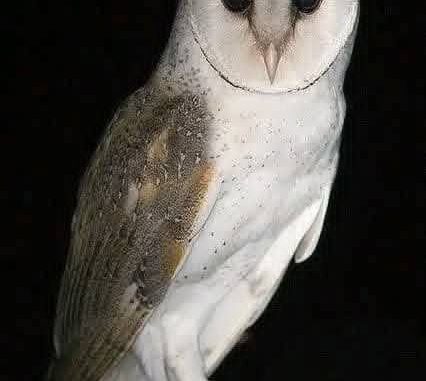
Owls have long captured human curiosity. Their quiet wings, sharp eyesight, and nighttime habits give them an almost mysterious presence. Because they are rarely seen up close, spotting one near your home can feel unusual—or even unsettling at first.
Across different cultures, owls have often been linked to symbolism or folklore. However, when viewed through a scientific and environmental lens, their presence is far less mysterious and much more practical. Owls are not drawn to homes because of hidden meanings or omens—they are simply responding to food, shelter, and safe surroundings.
Once you understand what attracts them, their appearance becomes much easier to explain—and often something to appreciate rather than worry about.
Food Availability Is the Main Attraction
The most common reason owls appear near residential areas is simple: food.
Owls are highly skilled hunters that rely on small prey to survive. Their diet usually includes:
- Mice and rats
- Small birds
- Insects
- Occasionally frogs or other small animals
Many neighborhoods unintentionally create ideal hunting grounds. For example:
- Gardens and lawns can attract rodents
- Trash bins may support small animal populations
- Outdoor lighting draws insects, which then attract prey
- Nearby fields or open land provide hunting space
When food is easy to find, owls naturally return to the same area. This is not unusual behavior—it is simply part of how they survive.
In fact, their presence can actually be beneficial. Owls help control rodent populations, making them a natural form of pest management.
Darkness and Quiet Make Ideal Hunting Conditions
Owls are nocturnal, meaning they are active at night. They rely heavily on darkness and silence to hunt effectively.
Because of this, they prefer environments that are:
- Quiet and calm
- Free from constant human activity
- Dimly lit or naturally dark
- Close to open spaces or tree cover
Homes located near forests, parks, farmland, or even quiet suburban streets can meet these conditions. Even a backyard with minimal lighting and some tree cover can attract owls.
They are extremely sensitive to noise and disturbance, so they choose areas where they can observe and hunt without interruption.
Trees Provide Shelter and Safety
Another key reason owls visit residential areas is the presence of trees.
Mature trees offer important benefits:
- Safe places to rest during the day
- Protection from predators
- Elevated perches for spotting prey
- Potential nesting spaces in hollow trunks or dense branches
If your property has tall trees—or is near wooded land—it may fall within an owl’s natural territory.
Owls often return to locations that feel safe and reliable, so repeated sightings are common once they settle into an area.
Seasonal Changes Can Increase Sightings
In some cases, owls may appear more frequently during certain times of the year. This is usually tied to natural seasonal behaviors, such as:
Breeding Season
During breeding periods, owls become more active as they search for food to support their young.
Young Owls Exploring
Juvenile owls leaving their nests often explore new territories, which can bring them closer to homes.
Changes in Food Supply
If food becomes scarce in their usual habitat, owls may expand their hunting range into nearby neighborhoods.
These patterns are temporary and part of normal wildlife behavior.
Owls Are Not a Threat to People
Despite their intense gaze and silent flight, owls are not dangerous to humans. They are naturally cautious animals that prefer to avoid contact.
Here are a few important facts:
- Owls do not hunt humans
- They rarely approach people directly
- They typically fly away if disturbed
- They do not enter homes
Most encounters involve seeing an owl perched on a tree, fence, or rooftop at a distance.
Their behavior is calm and non-aggressive, making them safe to observe from afar.
What Their Presence Says About Your Environment
Seeing an owl near your home is often a positive sign.
Because owls are predators, their presence usually indicates that the local ecosystem is functioning well. It suggests:
- There is enough prey to sustain wildlife
- The area includes natural habitats like trees or open land
- Environmental conditions are relatively balanced
Owls play an important role in maintaining this balance by controlling populations of small animals, especially rodents.
In this way, they contribute to a healthier environment without any human intervention.
How to Live Peacefully Alongside Owls
If owls frequently visit your area, there is no need to be concerned. However, you can take a few simple steps to maintain a balanced and respectful coexistence:
- Keep outdoor lighting minimal at night
- Secure trash bins to avoid attracting prey animals
- Reduce yard clutter where rodents might hide
- Preserve trees when possible
- Avoid trying to feed or approach owls
Owls are best appreciated from a distance. Observing them quietly allows them to continue their natural behavior without stress.
Fascinating Facts About Owls
Owls have several unique traits that make them exceptional hunters:
- They can rotate their heads up to 270 degrees
- Their feathers allow them to fly almost silently
- They have excellent night vision
- Some species can detect prey beneath snow or grass
- They swallow prey whole and later regurgitate indigestible parts
These adaptations help them thrive in a variety of environments and make them one of nature’s most efficient nocturnal predators.
When an owl appears near your home, there is no hidden message or mystery behind it. It is simply responding to its surroundings—searching for food, finding shelter, and navigating its environment.
Rather than viewing their presence with uncertainty, it can be helpful to see it as a reminder of the natural world continuing alongside daily life.
Owls are not intruders—they are part of a larger ecosystem that exists all around us.
So the next time you spot one perched quietly in the night, consider it a rare and peaceful glimpse into nature at work.
Creating a More Owl-Friendly (or Owl-Neutral) Space
While owls may visit naturally, some homeowners are curious about whether they can encourage or gently discourage these visits. The key is understanding that owls respond to environmental cues rather than human intention.
If you enjoy seeing owls and want to support a wildlife-friendly space, consider maintaining elements of natural habitat:
- Preserve mature trees when it is safe to do so
- Allow parts of your yard to remain slightly wild rather than overly manicured
- Limit the use of harsh chemicals that may reduce insect and small animal populations
- Maintain a quiet outdoor environment during nighttime hours
On the other hand, if you prefer fewer wildlife visits, small adjustments can reduce the chances:
- Reduce rodent activity by sealing entry points around your home
- Keep pet food indoors
- Use motion-activated lighting to increase nighttime disturbance
- Trim dense tree branches close to the house
These changes do not harm owls—they simply make the environment less appealing for hunting or resting.
Common Misunderstandings About Owls
Because owls are often associated with myths, there are several misconceptions about their behavior. Understanding the facts can help remove unnecessary concern.
Myth: Owls bring bad luck
There is no scientific evidence supporting this belief. Owls are simply wild birds responding to environmental conditions.
Myth: Owls attack pets frequently
While large owls may occasionally target very small animals, this is rare and usually limited to natural hunting behavior. Most household pets are not at risk.
Myth: Seeing an owl means something unusual is about to happen
In reality, it usually just means there is food nearby and a suitable place to perch.
Clearing up these misunderstandings helps shift the focus from fear to awareness.
The Sounds of Owls at Night
Sometimes people notice owls not by sight, but by sound. Their calls can echo clearly through quiet neighborhoods, especially at night.
Different species produce different sounds, including:
- Classic hooting calls
- Soft whistles or chirps
- Sharp screeches in some species
These sounds are used for communication—marking territory, attracting mates, or signaling to other owls.
While the calls may seem unusual if you are not used to them, they are a normal part of nighttime wildlife activity.
Why You Might See the Same Owl More Than Once
Owls are territorial animals. If they find a location that provides consistent food and safety, they may return regularly.
This can create the impression that a specific owl is “visiting” your home, when in reality:
- Your property may fall within its hunting range
- It has identified reliable perches nearby
- The area consistently supports prey
Some owls even stay within the same territory for long periods, especially if conditions remain stable.
Observing Owls Responsibly
If you are fortunate enough to see an owl near your home, it can be a memorable experience. However, it is important to observe responsibly.
Here are a few simple guidelines:
- Keep a respectful distance
- Avoid using bright lights or flash photography
- Do not attempt to approach or touch the bird
- Remain quiet to avoid causing stress
Observing without interfering allows the owl to continue its natural behavior safely.
A Subtle Connection to Nature
In today’s busy world, encounters with wildlife can feel rare. Seeing an owl—even briefly—can serve as a reminder that nature is still present, even in developed areas.
These moments offer an opportunity to:
- Pause and observe your surroundings
- Appreciate local wildlife
- Recognize the balance between human spaces and natural habitats
Owls do not seek attention, yet their presence often leaves a lasting impression.
Final Reflection
Owls appear near homes for clear, natural reasons—food, shelter, and suitable environmental conditions. There is no hidden message behind their presence, only the quiet workings of nature.
Understanding this can transform uncertainty into appreciation.
Instead of wondering why an owl is there in a symbolic sense, it may be more meaningful to recognize how it fits into the environment around you.
It is a hunter, a guardian of ecological balance, and a reminder that even in familiar places, the natural world continues to thrive—often just beyond the edges of what we usually notice.
Leave a Reply