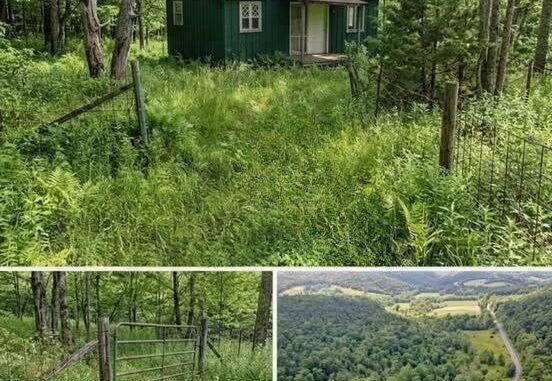
There comes a point in life—sometimes gradually, sometimes all at once—when the constant pace of modern living begins to feel overwhelming. It’s not always about a single stressful moment. Often, it’s the accumulation of small things: endless notifications, packed schedules, and the feeling that days are passing without being fully experienced.
For many people, that realization begins with a simple thought: Is there a different way to live?
That question has led a growing number of individuals toward a quieter, more intentional lifestyle—one centered around simplicity, nature, and mindful living. In places like southeastern Ohio, this shift is taking shape through cabin life and, for some, even off-grid living.
When the Pace of Life Starts to Feel Too Fast
For some, the turning point doesn’t come from burnout, but from awareness. A moment of stillness in an otherwise busy day can reveal just how fast everything has been moving.
Instead of dramatic changes, the process often begins with curiosity—searching for quieter environments, less crowded spaces, and a lifestyle that feels more balanced.
This growing awareness reflects a broader cultural shift. People are beginning to question long-standing ideas about success and fulfillment. Instead of focusing only on productivity and constant growth, many are now asking:
- Do I really need more, or do I need less?
- Am I making time for what matters?
- What would a more peaceful daily life look like?
These questions are at the heart of the slow living movement.
Discovering a Slower Rhythm in Southeastern Ohio
For those exploring alternatives, southeastern Ohio has become an appealing destination. Unlike busy urban centers, the region offers open landscapes, wooded areas, and a noticeably calmer pace of life.
What stands out most isn’t just the scenery—it’s the atmosphere.
There’s space to breathe. Space to think. And perhaps most importantly, space to slow down.
Without the constant background noise of traffic, crowds, and digital distractions, many people find themselves reconnecting with something they didn’t realize they had lost: mental clarity.
The Everyday Impact of Living Closer to Nature
Being surrounded by nature naturally changes daily routines. Instead of rigid schedules shaped by external demands, time begins to feel more flexible and personal.
Mornings may start with natural light instead of alarms. Evenings unfold more gradually, guided by sunset rather than deadlines.
This shift encourages:
- More mindful daily habits
- Greater awareness of surroundings
- A stronger sense of presence
Simple experiences—like listening to rainfall or watching seasonal changes—become more noticeable and meaningful.
The Cabin Lifestyle: Simplicity With Purpose
At the center of this lifestyle is the cabin itself.
Unlike larger homes designed around excess, cabins are typically built with intention. They focus on what is necessary rather than what is extra.
This often includes:
- Functional living spaces
- Minimal but meaningful belongings
- Practical design that supports everyday needs
At first, this simplicity can feel like an adjustment. But over time, many people find it freeing rather than limiting.
With fewer distractions and less clutter, it becomes easier to focus on what truly matters.
Why Living With Less Can Feel Like More
Modern living often emphasizes accumulation—more space, more items, more convenience. In contrast, cabin life encourages a different approach.
When everything in a home has a purpose, daily life becomes more organized and less overwhelming.
Many people notice benefits such as:
- Improved focus
- Reduced stress
- A clearer sense of priorities
Instead of managing possessions, they spend more time experiencing life.
Building a More Personal Living Space
Another unique aspect of cabin living is the hands-on experience it often requires. Many cabins are not fully finished or require ongoing maintenance and improvement.
While this may seem like a challenge at first, it often becomes one of the most rewarding parts of the experience.
Working on a home—whether through small repairs or larger projects—creates a stronger connection to the space. Each improvement adds meaning, turning the home into something truly personal.
Privacy and Space in a Connected World
In today’s environment, constant connectivity can make it difficult to find real privacy. Even at home, noise and interruptions are common.
Cabin living offers a different experience.
It provides space—not just physically, but mentally.
This space allows for:
- Quiet reflection
- Rest without interruption
- A break from constant stimulation
Rather than feeling isolated, many people describe this as peaceful and restorative.
Financial Benefits of a Simpler Lifestyle
In addition to emotional and lifestyle benefits, there are also practical advantages.
Living in rural areas like southeastern Ohio often involves lower costs compared to urban environments. Housing, utilities, and daily expenses can be significantly reduced.
This can create greater financial flexibility, allowing people to:
- Work fewer hours
- Focus on meaningful activities
- Reduce financial stress
For many, this shift represents a move toward independence rather than limitation.
Adjusting to a Different Way of Living
Of course, this lifestyle comes with trade-offs.
Rural living may require more planning and preparation. Access to stores, services, and reliable internet can be limited compared to city environments.
However, over time, many people adapt by becoming more self-sufficient and intentional in their routines.
What initially feels inconvenient often becomes part of a slower, more thoughtful rhythm of life.
Exploring Off-Grid Possibilities
For those looking to go further, off-grid living represents an even deeper level of independence.
This may include:
- Generating power through solar energy
- Collecting and managing water resources
- Reducing reliance on external systems
While it requires effort and learning, it also creates a stronger connection between daily life and the natural environment.
The Emotional Shift That Comes With Slowing Down
Perhaps the most significant change isn’t physical—it’s emotional.
Living more simply often leads to:
- Lower stress levels
- Improved sleep
- Greater appreciation for everyday moments
Activities that once felt ordinary—like cooking, walking, or sitting quietly—can become more fulfilling.
Over time, the constant pressure to “keep up” begins to fade, replaced by a sense of contentment.
A Growing Movement Toward Intentional Living
This shift toward simpler living is not limited to one region or group of people. It reflects a broader movement toward intentional choices and balanced lifestyles.
More individuals are choosing to prioritize:
- Time over constant activity
- Space over crowding
- Meaning over excess
Cabin living and off-grid lifestyles are just one expression of this larger change.
Is This Lifestyle the Right Fit?
While appealing, this way of living isn’t for everyone. It requires patience, adaptability, and a willingness to step away from certain conveniences.
But for those who feel drawn to it, the rewards can be significant.
It offers a chance to reset priorities and experience life at a different pace.
Final Reflection
In the end, the appeal of cabin living and slow living isn’t about escaping reality—it’s about redefining it.
It’s about creating space for what matters, reducing unnecessary noise, and reconnecting with everyday experiences.
For many, the journey begins with a simple realization:
Life doesn’t always need to move faster to feel meaningful.
Sometimes, it becomes richer when it slows down.
Finding Meaning in the Everyday
As people continue to adjust to a slower pace of life, one of the most noticeable changes is how everyday moments begin to feel more significant. Without constant distractions competing for attention, simple routines can take on a deeper sense of purpose.
Preparing a meal, for example, is no longer something rushed between obligations. It becomes an intentional activity—choosing ingredients, taking time to cook, and actually sitting down to enjoy the result. The same can be said for daily habits like reading, walking, or even maintaining a home. Each task becomes less about efficiency and more about presence.
This shift doesn’t require perfection. In fact, part of its appeal is the absence of pressure. There’s no expectation to optimize every minute or constantly achieve more. Instead, the focus moves toward experiencing life as it unfolds.
Reconnecting With Personal Values
Another important aspect of this lifestyle is the opportunity to reflect on what truly matters. When external noise is reduced, it becomes easier to recognize personal priorities that may have been overlooked.
For some, that means spending more time with family or nurturing relationships. For others, it may involve creative pursuits, learning new skills, or simply allowing time for rest without guilt.
Living in a quieter environment creates space for these decisions to develop naturally. Rather than reacting to constant demands, individuals can respond thoughtfully to what feels meaningful in their own lives.
A Sustainable Way of Living
In addition to personal benefits, many people are also drawn to the sustainability of this lifestyle. Cabin living and off-grid approaches often encourage reduced consumption and more mindful use of resources.
This might include:
- Using less energy through smaller living spaces
- Repurposing materials instead of discarding them
- Being more aware of water and food usage
These habits not only reduce environmental impact but also reinforce a sense of responsibility and connection to the surrounding environment.
The Long-Term Perspective
Over time, the appeal of slow living tends to grow stronger rather than fade. What may begin as a temporary change often evolves into a long-term mindset.
People who embrace this way of life frequently find that they no longer miss the constant pace they once considered normal. Instead, they gain a clearer understanding of what brings them satisfaction and stability.
In the end, the movement toward cabin living and simpler routines isn’t about giving something up—it’s about gaining something different.
A quieter mind.
A more intentional life.
And a deeper connection to the moments that often go unnoticed.
Leave a Reply