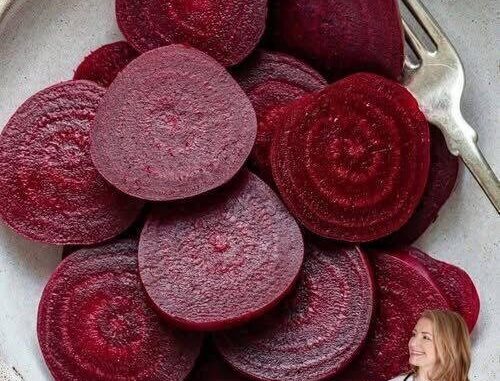
One of the biggest advantages of beets is how easily they can be included in daily meals. Unlike specialized health foods that may require supplements or complex preparation, beets are widely available, affordable, and simple to use in everyday cooking.
They can be roasted, boiled, blended, or eaten raw, making them suitable for a wide range of dishes. This flexibility allows people to add them to their diet without making major changes to their eating habits.
In many traditional cuisines, beets have long been valued not because of modern health trends, but because they are filling, versatile, and easy to store for long periods. Their continued use across cultures highlights their reliability as a basic food source rather than a temporary wellness trend.
Beets and Natural Hydration Support
Another often overlooked benefit of beets is their natural water content. While they should never replace proper fluid intake, they can contribute to overall hydration when included as part of meals.
Hydration is essential for many bodily functions, including:
- Maintaining energy levels
- Supporting digestion
- Helping regulate body temperature
- Assisting cognitive performance
When combined with other water-rich foods such as fruits and vegetables, beets can help support daily hydration in a simple and natural way.
Beets in Fitness and Modern Diet Trends
In recent years, beets have gained attention in fitness and wellness communities. Some athletes and active individuals include beet juice or beet-based meals in their routines as part of a broader nutritional plan.
This interest is largely connected to their natural nitrate content, which has been studied for its potential role in supporting blood flow and oxygen use during physical activity. However, the effects vary from person to person and depend heavily on overall diet, training, and lifestyle.
It is important to understand that beets are not a performance enhancer on their own. Instead, they should be viewed as one supportive element within a balanced nutritional approach.
Simple Ways to Prepare Beets
Getting the most out of beets often comes down to how they are prepared. Different methods can influence both flavor and texture, making them more enjoyable to eat regularly.
Some practical preparation ideas include:
- Roasting: Brings out natural sweetness and creates a rich, caramelized flavor
- Raw slicing: Adds crunch and freshness to salads and bowls
- Blending: Works well in smoothies when combined with fruit to balance earthy notes
- Juicing: Provides a concentrated form, often mixed with other ingredients
- Cooking in soups: Adds color, depth, and mild sweetness to warm dishes
Pairing beets with ingredients like olive oil, citrus, grains, or protein sources can also help create more balanced and satisfying meals.
Keeping a Balanced Perspective
While beets offer several nutritional benefits, it is important to keep expectations realistic. No single food can significantly transform health on its own.
Overall wellness depends on long-term habits such as:
- Eating a varied diet
- Staying physically active
- Getting enough sleep
- Maintaining proper hydration
- Managing stress levels
Beets can certainly contribute to this foundation, but they are most effective when combined with other healthy foods and lifestyle choices.
Beets are a simple yet nutrient-rich vegetable that can easily fit into a wide range of diets. They provide vitamins, minerals, fiber, and natural plant compounds that support overall health in gradual and subtle ways.
Rather than offering immediate or dramatic effects, their true value comes from consistent consumption over time. They may support digestion, circulation, hydration, and general well-being when included regularly as part of a balanced diet.
Occasionally, they may also cause harmless changes in urine or stool color, which can be surprising but are completely normal.
Ultimately, beets are a reminder that healthy eating is not about quick fixes or extreme changes. Instead, it is about steady, everyday choices that support the body in a natural and sustainable way.
Beets and Digestive Wellness in More Detail
One of the most consistent benefits of beets comes from their fiber content, which plays an important role in supporting a healthy digestive system. Fiber is not digested in the same way as other nutrients; instead, it moves through the digestive tract and helps maintain regular bowel movements.
Over time, this can contribute to improved gut comfort and overall digestive balance. A diet that includes fiber-rich foods like beets may also support a healthier intestinal environment by encouraging the growth of beneficial bacteria.
While beets alone cannot solve digestive issues, they can be a helpful addition to a broader diet that includes fruits, vegetables, whole grains, and adequate water intake.
How the Body Processes Beets
After consumption, beets are broken down in the digestive system, where their nutrients are absorbed gradually. The natural sugars provide a steady source of energy, while vitamins and minerals are distributed throughout the body to support various functions.
The nitrates found in beets go through a natural conversion process in the body. First, they are transformed into nitrites by bacteria in the mouth, and then further converted into compounds that play a role in blood vessel function.
This process is not instant, which is why any noticeable effects from eating beets tend to develop gradually rather than immediately after consumption.
Misleading Expectations and Online Claims
In the age of social media, beets are sometimes presented with exaggerated claims. Some posts suggest they can dramatically increase energy levels within minutes or act as a “miracle food” for health improvement.
In reality, nutrition does not work in such an immediate or dramatic way. Beets are beneficial, but their effects are subtle and cumulative. They support health over time rather than producing instant changes.
Understanding this helps prevent unrealistic expectations and encourages a more balanced approach to nutrition overall.
Beets and Heart Health Support
One of the most widely discussed areas of beet research relates to cardiovascular health. The natural compounds found in beets may support healthy blood flow by influencing how blood vessels relax and expand.
This process can contribute to:
- Supporting normal circulation
- Helping maintain healthy blood pressure levels
- Improving oxygen delivery throughout the body
However, it is important to emphasize that these effects are part of a broader lifestyle picture. Diet, exercise, stress levels, and genetics all play significant roles in heart health.
Beets can support this system, but they are not a replacement for medical care or other healthy habits.
The Role of Beets in Long-Term Health Habits
Rather than focusing on short-term results, beets are best understood as part of long-term dietary habits. When consumed regularly as part of a balanced diet, they contribute to overall nutrient intake and dietary variety.
Long-term health is built on consistency. Small, repeated choices often have a greater impact than occasional large changes. Including vegetables like beets in regular meals helps reinforce healthier eating patterns over time.
This steady approach is what makes them valuable in everyday nutrition.
Emotional and Psychological Aspects of Eating Well
Food is not only about physical nourishment—it also plays a role in daily routines and emotional well-being. Adding colorful, flavorful foods like beets can make meals more enjoyable and visually appealing.
For many people, eating a more varied diet can also create a sense of progress and care toward their health. Simple additions, such as incorporating beets into salads or smoothies, can make healthy eating feel less restrictive and more sustainable.
This positive relationship with food is often just as important as the nutrients themselves.
Seasonal Availability and Storage Benefits
Another practical advantage of beets is their long shelf life compared to many other fresh vegetables. When stored properly, they can remain fresh for extended periods, making them a reliable pantry or refrigerator staple.
Beets are also widely available throughout the year in most regions, either fresh or pre-cooked. This accessibility allows people to include them in their diet consistently, regardless of season.
Their durability and availability make them especially useful for meal planning and reducing food waste.
Beets in Different Forms
Beets can be consumed in several forms, each offering slightly different experiences:
- Fresh beets: Provide the full texture and natural flavor
- Cooked beets: Softer and sweeter, often easier to digest
- Juiced beets: Concentrated nutrients in liquid form
- Powdered beet supplements: Convenient but less natural than whole food
While all forms can contribute to nutrition, whole beets generally offer the most balanced combination of fiber, water content, and natural compounds.
Choosing the right form often depends on personal preference and lifestyle.
Who May Benefit Most from Beets
Beets can be included in most diets, but certain groups may find them particularly useful:
- Individuals looking to increase vegetable intake
- People seeking more fiber in their diet
- Those who enjoy natural sources of energy
- Active individuals looking for nutrient-dense foods
- Anyone aiming to diversify their meals
However, as with all foods, balance remains important. Beets should be part of a varied and well-rounded diet rather than the sole focus of nutrition.
Possible Considerations and Moderation
Although beets are generally safe and well tolerated, moderation is still important. Eating them in very large quantities may not provide additional benefits and could lead to minor digestive discomfort in some individuals due to their fiber content.
People with specific dietary needs or health conditions should consider speaking with a healthcare professional before making significant dietary changes.
For most individuals, however, beets are a safe and nutritious addition when eaten in reasonable portions.
The Bigger Picture of Nutrition
It is easy to focus on individual foods when discussing health benefits, but overall nutrition is shaped by patterns rather than single ingredients.
Beets contribute positively to a healthy diet, but they are most effective when paired with:
- A wide variety of vegetables and fruits
- Lean proteins and healthy fats
- Whole grains
- Regular physical activity
- Adequate hydration and rest
This broader approach is what creates lasting well-being.
Final Reflection
Beets are a simple, natural vegetable with steady and reliable nutritional value. They do not promise instant transformation, nor do they need to.
Instead, their strength lies in consistency. Over time, they can support digestion, circulation, hydration, and general wellness as part of a balanced lifestyle.
They also serve as a reminder that healthy eating is not about dramatic changes or short-term fixes. It is about small, sustainable choices repeated daily.
In the end, beets represent what good nutrition often looks like in practice: uncomplicated, accessible, and quietly beneficial over the long run.
Leave a Reply