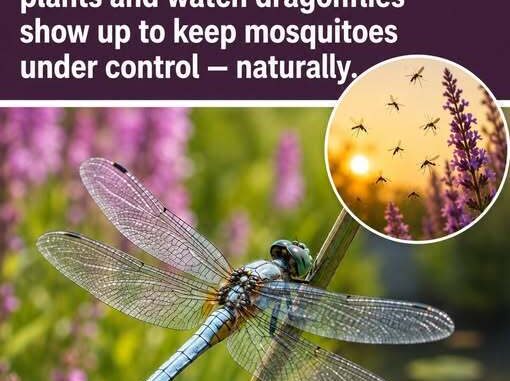
Creating a thriving garden is about more than colorful flowers and healthy greenery. Many gardeners today are looking for ways to encourage beneficial wildlife into their outdoor spaces while reducing reliance on chemical pest control. One of the most fascinating and useful visitors you can attract is the dragonfly.
Dragonflies are admired for their shimmering wings, graceful flight patterns, and incredible aerial agility. Beyond their beauty, they also serve an important role in the natural ecosystem. These insects feed on mosquitoes and other small flying pests, helping create a more comfortable and balanced outdoor environment.
A garden that attracts dragonflies often becomes more vibrant overall. Birds, butterflies, bees, and pollinating insects are naturally drawn to healthy habitats filled with water, native plants, and safe resting areas. By designing your landscape with dragonflies in mind, you are also supporting biodiversity and creating a peaceful retreat filled with movement and life.
The good news is that attracting dragonflies does not require a massive pond or complicated landscaping project. Even small backyard spaces can become inviting habitats with the right combination of water, sunlight, and vegetation.
Below, you will discover ten excellent plants and garden features that may help encourage dragonflies to visit and remain in your yard throughout the warmer months.
Why Dragonflies Are Beneficial for Gardens
Dragonflies are considered one of nature’s most effective flying hunters. Their exceptional eyesight allows them to detect movement quickly, while their fast reflexes help them capture insects in midair with remarkable precision.
These insects are especially appreciated because they naturally feed on:
- Mosquitoes
- Gnats
- Flies
- Small garden pests
- Tiny flying insects that gather near standing water
Dragonflies spend part of their lives in water as aquatic nymphs before maturing into adults. Because of this, they are naturally drawn to gardens that contain ponds, fountains, or moist environments supported by suitable plants.
Unlike some insects that damage flowers or vegetables, dragonflies do not harm garden plants. Instead, they contribute to a healthier outdoor ecosystem.
Many people also simply enjoy watching them glide through the air. Their metallic colors, delicate wings, and hovering movements add a peaceful and almost magical quality to a garden setting.
How to Create a Dragonfly-Friendly Garden
Before choosing plants, it helps to understand what dragonflies look for in a habitat.
1. Add a Water Source
Water is one of the most important elements for dragonflies because they lay eggs in or near water.
Good options include:
- Small ponds
- Water gardens
- Birdbath fountains
- Decorative streams
- Container water features
Even a modest backyard pond can become attractive to dragonflies if it includes aquatic plants and shallow resting areas.
2. Avoid Harsh Chemical Sprays
Many pesticides and insect-control products can unintentionally harm beneficial insects.
A more balanced approach to gardening helps support pollinators and natural predators alike. Reducing chemical use can make your outdoor space more inviting to dragonflies, butterflies, bees, and birds.
3. Include Tall Plants and Perching Areas
Dragonflies enjoy resting on stems, branches, rocks, and tall grasses where they can observe their surroundings.
Adding vertical plants and open sunny spaces gives them convenient places to land and warm themselves in the sun.
4. Provide Sunlight
Dragonflies are cold-blooded insects and rely on warmth to stay active. Gardens with plenty of sunlight tend to attract them more successfully than heavily shaded areas.
Arrowhead is a beautiful aquatic perennial often found near ponds, marshes, and water gardens. Its distinctive arrow-shaped leaves and delicate white flowers make it a visually calming addition to outdoor spaces.
Because it grows in shallow water, arrowhead provides an ideal environment for dragonflies to lay eggs and rest nearby.
The plant thrives in moist soil and sunny conditions, making it especially useful around decorative ponds or natural water features.
Benefits of arrowhead include:
- Attractive foliage
- Easy maintenance
- Excellent cover near water
- Helpful habitat support for aquatic insects
Its soft, natural appearance blends beautifully into wildlife-friendly landscaping.
Black-Eyed Susans are cheerful wildflowers known for their bright golden-yellow petals and dark centers.
These hardy flowers bloom for long periods during summer and are popular in pollinator gardens because they attract many beneficial species.
Dragonflies are often drawn to gardens filled with insect activity, and Black-Eyed Susans help create that lively environment.
They are also appreciated because they are:
- Drought tolerant once established
- Easy to grow
- Long blooming
- Suitable for borders and flower beds
Planting clusters of these flowers can instantly make a yard feel warmer and more welcoming.
Meadow sage produces striking purple flower spikes that stand tall above garden beds and pathways.
Its vibrant color attracts pollinators and adds depth and texture to landscaping designs. Dragonflies often use taller flowering plants like meadow sage as lookout points while hunting small insects.
This plant grows well in sunny locations and does not require constant watering once established.
Gardeners often choose meadow sage because it offers:
- Long-lasting blooms
- Rich color contrast
- Minimal maintenance
- Excellent support for pollinator activity
The vivid purple flowers also pair beautifully with yellow flowers such as Black-Eyed Susans.
Swamp milkweed is one of the most valuable native plants for wildlife-friendly gardens.
This plant produces clusters of soft pink blooms that appear during summer and thrive in moist conditions. It is especially useful near ponds, rain gardens, and wet soil areas.
While it is widely known for supporting butterflies, it also contributes to the healthy ecosystem dragonflies prefer.
Swamp milkweed offers several advantages:
- Thrives in damp conditions
- Encourages pollinators
- Adds natural beauty
- Works well in native gardens
Its sweet fragrance and elegant blooms make it a favorite among gardeners seeking both function and beauty.
White yarrow is a classic perennial known for its clusters of tiny flowers and fern-like foliage.
Its flat flower heads provide convenient resting spots for many beneficial insects, including dragonflies.
Yarrow adapts well to various soil conditions and can tolerate dry weather, making it suitable for gardeners seeking low-maintenance landscaping solutions.
Additional benefits include:
- Long flowering season
- Natural meadow appearance
- Pollinator-friendly structure
- Easy care requirements
White yarrow blends especially well with cottage gardens and naturalized landscapes.
Joe-Pye weed is a tall native perennial that can create dramatic vertical interest in gardens.
Its large clusters of pinkish-purple flowers attract a wide range of pollinators and beneficial insects throughout late summer.
Dragonflies are often drawn to the tall stems because they provide excellent vantage points for hunting and resting.
This plant performs best in:
- Moist soil
- Sunny locations
- Naturalized gardens
- Pond-side landscapes
Its height can help create a layered garden appearance that feels lush and immersive.
7. Water Lilies and Other Pond Plants
Aquatic plants are essential for supporting dragonfly life cycles.
Floating and submerged pond plants provide shelter, breeding areas, and resting spots for dragonflies during different stages of development.
Popular pond plants include:
- Water lilies
- Lotus flowers
- Pondweed
- Eelgrass
- Floating aquatic vegetation
These plants also help improve the appearance and balance of backyard ponds by adding shade and texture.
A healthy pond ecosystem filled with aquatic plants is often one of the best ways to encourage repeat dragonfly visits year after year.
Leave a Reply