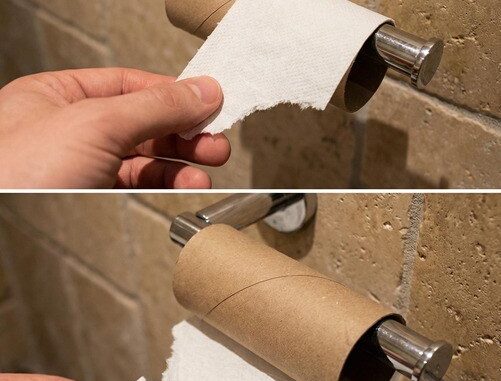
In modern households, few items are as ubiquitous—or as rarely questioned—as the humble roll of toilet paper. It has long been taken for granted as an essential convenience in many parts of the Western world. Yet as we progress further into the 21st century, a subtle but meaningful shift is occurring. From busy cities in Europe to suburban neighborhoods in North America, more people are beginning to evaluate the environmental and personal impacts of this everyday product. What was once viewed purely as a hygiene necessity is now being reconsidered through the lens of sustainability, resource management, and long-term well-being. This shift represents more than a fleeting trend; it signals a deeper rethinking of how we interact with the planet in the most routine aspects of daily life.
The history of toilet paper is surprisingly recent. While paper for hygiene purposes was used in China as early as the 6th century, the perforated, commercially packaged roll we know today only appeared in the mid-19th century. In 1857, Joseph Gayetty introduced the first packaged toilet paper in the United States, marketing it as a medical necessity. Over time, marketing campaigns and the spread of indoor plumbing transformed toilet paper into a global industry. But convenience comes at a cost. The production of traditional toilet paper involves clearing vast forests, including crucial old-growth trees that serve as carbon sinks. Millions of trees are cut down each year just to produce paper that is used for mere seconds.
The environmental impact extends beyond deforestation. Manufacturing toilet paper consumes billions of gallons of water, enormous amounts of energy, and chemicals for bleaching that can contaminate waterways. Research, including studies from the University of Florida, has raised concerns about persistent chemical residues, including so-called “forever chemicals” (PFAS), which may accumulate in ecosystems. While safety regulations exist, growing awareness about these chemicals is prompting environmentally conscious consumers to reconsider their choices.
This concern has spurred renewed interest in alternative hygiene solutions that have long been used elsewhere. The bidet, long associated with European households, is gaining recognition for its practical and ecological benefits. In Japan, bidets have evolved into sophisticated devices known as “washlets,” featuring heated seats, adjustable water pressure, and air-drying capabilities. By replacing much of the need for dry paper, bidets can reduce toilet paper consumption by up to 75–100%. The reasoning is simple: just as we wash our hands to remove dirt, water provides a more effective and hygienic solution for personal cleanliness.
For those pursuing a zero-waste lifestyle, reusable toilet cloths—or “family cloth”—are also gaining popularity. These soft, absorbent fabric strips, made from materials like flannel, cotton, or bamboo, are laundered and reused. While this idea may feel unusual at first, it is conceptually similar to cloth diapers or reusable menstrual products. Beyond environmental benefits, switching to bidets or cloth wipes offers significant financial savings. Considering the average household uses dozens of toilet paper rolls each year, a reusable system quickly offsets its initial cost, providing long-term savings while protecting against price fluctuations and supply shortages.
Transitioning to eco-friendly alternatives does present challenges. Bathrooms in many Western homes are not designed for bidets, and installing high-end electronic seats can be costly. However, affordable attachments that fit existing toilets make adoption easier than ever, even for renters. Social perceptions are also evolving. What was once seen as unconventional or extreme is increasingly regarded as a responsible, environmentally conscious choice.
Municipalities and policymakers play a role as well. Wastewater management costs and the environmental strain of paper production create incentives for cities to promote water-based cleaning options. Updated building codes, public education campaigns, and incentives for eco-friendly fixtures can facilitate broader adoption. Aligning infrastructure with sustainability goals makes meaningful change both achievable and scalable.
Ultimately, the shift away from traditional toilet paper reflects a broader cultural awakening. The disposable habits of the 20th century are increasingly recognized as unsustainable. Even the most private routines have global consequences, from deforestation and water usage to chemical pollution. By rethinking bathroom habits, people can conserve resources, reduce environmental impact, and support healthier ecosystems. This journey toward thoughtful, sustainable hygiene exemplifies human ingenuity and our ability to adapt longstanding practices for the sake of both personal well-being and planetary health. By embracing these alternatives, households can enjoy comfort and cleanliness while also contributing to a cleaner, greener world.
Leave a Reply