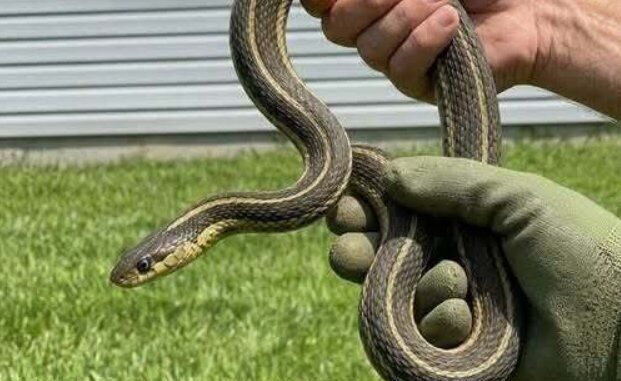
You head down to your basement to grab a storage box, and suddenly you spot something moving across the concrete floor. In the dim light, a long, scaly body slides silently through the shadows. Panic hits instantly. Your pulse races, your chest tightens, and your imagination fills with images of venomous bites and dangerous encounters. While the experience is alarming, it is becoming increasingly common for homeowners to discover snakes inside their homes. The real question is not whether you should panic, but why these animals are entering houses in the first place. The answer may surprise you.
Finding a snake indoors triggers a deeply rooted instinctive fear, but experts agree that the best reaction is to stay calm. Snakes are not interested in hunting people, nor do they deliberately seek human contact. In most situations, a snake has wandered inside because it is searching for food, shelter, or protection from harsh weather conditions. Their presence is usually accidental rather than aggressive.
Once you understand why snakes enter homes, the situation becomes easier to manage. To a snake, your house offers a safe and comfortable environment. Areas such as basements, garages, laundry rooms, and cluttered storage spaces provide excellent hiding spots. If snakes are appearing around your property, there is often another issue attracting them first. Rodents, insects, and other small creatures may already be living nearby, creating a convenient food source. Removing these pests can significantly reduce the chances of snakes visiting your home.
Weather conditions also play a major role. Heavy rain can flood underground burrows, forcing animals to seek dry shelter elsewhere. Likewise, extreme heat or freezing temperatures drive cold-blooded reptiles toward locations where temperatures remain more stable. A basement, crawl space, or garage can provide the protection they need to survive difficult environmental conditions. In most cases, they are not attempting to move in permanently; they are simply trying to stay alive.
Another important fact is that many snakes commonly found indoors are harmless. Some species actually help homeowners by reducing populations of mice, rats, and insects. However, identifying a snake correctly can be difficult for someone without experience. Because mistakes can be dangerous, it is always best to treat every snake encounter cautiously and avoid making assumptions about whether it is venomous or harmless.
If you discover a snake inside your home, maintain a safe distance at all times. Avoid trying to capture, kill, or corner it. Snakes usually become defensive only when they feel trapped or threatened. Giving the animal space may allow it to move away on its own. Keep children and pets away from the area, and if possible, observe the snake from a secure location so you can tell professionals where it was last seen.
Leave a Reply