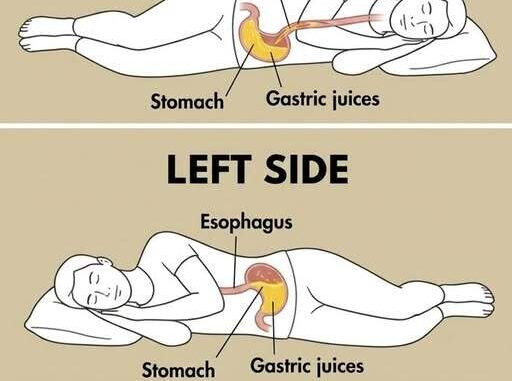
You spend nearly one-third of your life asleep, yet very few people ever stop to consider how their sleeping position might affect their overall health. Most assume that getting enough hours of sleep is all that matters, but researchers have increasingly explored how body posture during sleep can influence digestion, circulation, comfort, and overall wellbeing. While the amount of sleep you get is certainly important, the way you position your body throughout the night may also play a meaningful role in how refreshed and healthy you feel the next day.
Quality sleep serves as the foundation for both physical and mental health. During those hours of rest, the body repairs tissues, regulates hormones, consolidates memories, and restores energy levels. However, these processes do not occur in isolation. The position you naturally adopt while sleeping can affect breathing patterns, blood circulation, digestive function, and even the pressure placed on muscles and joints. Because sleeping posture becomes a nightly habit repeated thousands of times over a lifetime, its effects can gradually accumulate.
Many people prefer sleeping on their side because it feels comfortable and natural. Yet there is an important distinction between sleeping on the left side and sleeping on the right side. Human anatomy is not perfectly symmetrical, and the location of major organs means gravity can influence bodily functions differently depending on which side you choose. As scientific interest in sleep health has grown, researchers have examined how these subtle differences may impact the body’s internal systems.
One of the most frequently discussed benefits of left-side sleeping relates to digestion. The stomach is positioned slightly toward the left side of the body. When a person lies on their left side, gravity may help food and digestive fluids move more naturally through the digestive tract. By contrast, some studies suggest that sleeping on the right side can make it easier for stomach acid to move upward toward the esophagus in certain individuals, potentially increasing symptoms of acid reflux or heartburn. For people who regularly experience digestive discomfort at night, changing sleep position may offer noticeable relief.
Sleep posture may also influence the cardiovascular system. The heart and major blood vessels operate continuously throughout the night, and body position can affect how efficiently blood circulates. Some experts suggest that left-side sleeping may support circulation by aligning the body in a way that works naturally with the structure of major arteries. Although the effects are generally subtle for healthy individuals, sleeping position can become more important for people with specific cardiovascular concerns or during pregnancy, when circulation demands increase significantly.
Another factor often mentioned is the spleen and the lymphatic system. The spleen, which helps filter blood and supports immune function, is located on the left side of the body. Some researchers believe that sleeping on the left side may assist the body’s natural drainage and filtration processes by allowing gravity to support fluid movement through the lymphatic system. While more research continues to explore these effects, the idea highlights how closely body position and internal physiology are connected.
Leave a Reply