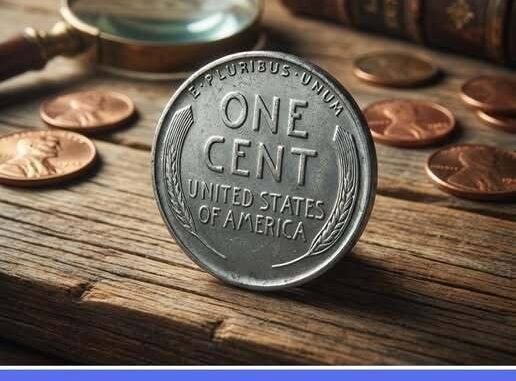
Most people don’t pay much attention to pennies. They often end up in jars, drawers, piggy banks, or forgotten pockets, rarely receiving a second glance. However, certain rare coins have become highly sought after by collectors, and among the most famous is the 1943 copper Lincoln Wheat Penny.
Although millions of pennies were produced in 1943, a small number of unusual examples have become some of the most valuable coins in American numismatic history.
A Wartime Change in Penny Production
To understand why these coins are special, it helps to look back at World War II.
During the war, copper was considered an important material for military equipment, including wiring, communications systems, and ammunition components. To conserve resources, the U.S. Mint changed the composition of the one-cent coin in 1943.
Instead of the traditional copper alloy, pennies that year were struck using zinc-coated steel.
These steel pennies looked noticeably different from earlier coins. They had a silver-gray appearance and were lighter than the copper cents Americans were accustomed to seeing.
How a Rare Error Occurred
Despite the production change, a small number of copper planchets (the metal discs used to strike coins) from previous years reportedly remained in the coin presses.
As a result, a limited number of 1943 pennies were accidentally struck using copper instead of steel.
Because these coins were produced unintentionally and in very small quantities, they quickly became rare collectibles once discovered.
Today, authenticated examples are considered among the most desirable error coins in U.S. coin collecting.
Why Collectors Value Them
Coin values depend on several factors, including rarity, condition, historical significance, and collector demand.
The 1943 copper penny checks all of those boxes
Its connection to a unique period in American history, combined with its accidental creation and limited availability, has made it one of the most recognized collectible coins in the hobby.
At major auctions, verified examples have sold for substantial amounts, although actual values vary considerably depending on preservation and certification.
How to Identify a Potential 1943 Copper Penn
Collectors often recommend a few basic checks when examining old coins:
- Look for the date “1943”
- Check whether the coin appears copper-colored rather than silver-gray
- Inspect the coin carefully for signs of alteration or damage
- Verify the design features match authentic Lincoln Wheat Cents
One commonly discussed test involves using a magnet.
Because steel is magnetic and copper is not, a typical 1943 steel penny will be attracted to a magnet. A genuine copper example should not be.
However, passing a magnet test alone does not confirm authenticity.
Beware of Altered Coins
Due to the popularity of the 1943 copper penny, counterfeit and altered examples occasionally appear in the marketplace.
Some altered coins are created by modifying dates on other pennies to resemble 1943 coins. Others may involve coating a steel penny with copper-colored material to imitate the appearance of a rare specimen.
For this reason, collectors should avoid making assumptions based solely on appearance.
Professional Authentication Matters
If you believe you have discovered a rare coin, the best next step is to seek professional evaluation.
Certified coin grading services and reputable coin dealers can examine the coin’s weight, composition, strike characteristics, and authenticity.
Professional certification provides confidence for both collectors and potential buyers and is often essential for establishing a coin’s market value.
A Reminder to Check Old Coin Collections
While finding a rare 1943 copper penny is extremely uncommon, many collectors enjoy searching through inherited collections, old coin jars, and family
The Lasting Appeal of Rare Coins
The story of the 1943 copper penny continues to capture the imagination of collectors because it represents a unique combination of historical events and minting error.
It serves as a reminder that ordinary objects can sometimes have extraordinary stories behind them. Whether you’re a serious collector or simply curious about the coins in your possession, taking a closer look at old change can be an interesting and rewarding experience.
After all, every coin has a story—and a few rare ones may be worth much more than their face value.
keepsakes.
Coin collecting combines history, education, and the excitement of discovery. Even if a valuable rarity isn’t found, examining older coins can reveal fascinating pieces of American history.
Leave a Reply