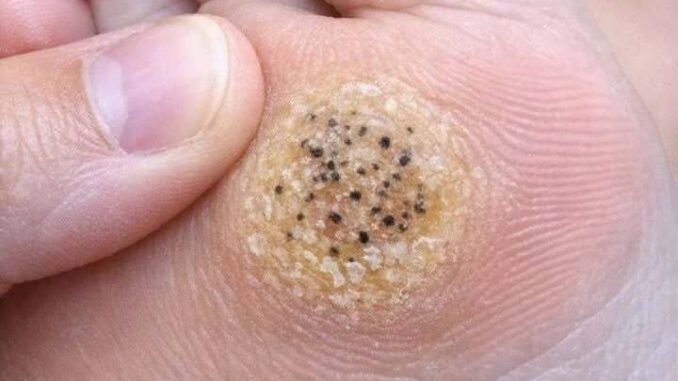
Seeing your child in discomfort is never easy—especially when it happens right before an important moment like a dance recital, sports event, or school performance. When your daughter suddenly starts limping and complains of pain caused by a hard, rough spot on the sole of her foot, it’s natural to feel concerned and even a little panicked.
If you’ve noticed that the spot has a thick texture and small dark dots inside it, you’re probably wondering what it could be, how serious it is, and most importantly—how to help her feel better quickly so she can participate comfortably.
This guide will walk you through what this condition may be, how to recognize it, safe ways to reduce pain at home, and when it’s important to seek professional medical care. The goal is to help you make calm, informed decisions and support your child both physically and emotionally.
What That Painful Spot Might Be
A hard, rough patch on the sole of the foot with tiny black dots is often associated with something called a plantar wart. This is a common skin condition caused by a virus that affects the outer layer of the skin.
These types of warts tend to appear on areas of the foot that تحمل weight—such as the heel or the ball of the foot—which is why they can be painful when walking, standing, or dancing. The pressure from daily movement can push the wart inward, making it feel more tender than other types of skin growths.
The small black dots you may see are not dirt—they are tiny clotted blood vessels inside the wart, and they are one of the key signs that help distinguish this condition from other foot issues.
How to Tell If It’s a Wart or Something Else
Before jumping to conclusions, it’s helpful to compare the symptoms with other common foot problems:
- Blisters are usually filled with fluid and develop after friction.
- Calluses are thickened areas of skin but typically don’t have black dots and are less painful when pressed directly.
- Splinters or foreign objects often have a visible entry point and cause sharp, localized pain.
A plantar wart, on the other hand, tends to feel rough, slightly raised or flat, and may hurt more when squeezed from the sides rather than pressed directly from above.
When You Should Seek Immediate Medical Help
In most cases, this condition is not dangerous. However, there are situations where professional care is necessary right away.
You should consider contacting a doctor if:
- The area becomes very red, swollen, or warm
- There is discharge or signs of infection
- Your child cannot put any weight on the foot
- The pain is severe or rapidly worsening
These signs may indicate complications that need prompt evaluation.
Quick Ways to Help Reduce Pain at Home
If the goal is to get your child comfortable enough for her event the next day, focus on gentle, safe relief methods:
1. Warm Water Soak
Soaking the foot in warm water for about 10–15 minutes can help soften the skin and reduce discomfort.
2. Protective Padding
Use a soft pad or cushion (often called a “donut pad”) around the affected area. This helps take pressure off the sore spot while walking.
3. Keep the Area Clean and Dry
Clean skin heals better and reduces the risk of irritation.
4. Over-the-Counter Options
Some pharmacy products are designed to reduce discomfort from skin growths. Always follow instructions carefully and choose age-appropriate options.
Helping Your Child Stay Active (Even With Discomfort)
For events like a dance recital, small adjustments can make a big difference:
- Choose slightly roomier shoes if possible
- Add soft insoles or gel inserts for extra cushioning
- Use breathable socks that reduce friction
- Secure any padding properly so it stays in place
These small steps can help your child move more comfortably and confidently.
What You Should Avoid Doing
When trying to fix the issue quickly, it’s important not to make things worse. Avoid:
- Cutting or picking at the spot
- Trying aggressive home remedies
- Applying unknown or harsh substances
- Using heat or “burning” methods
These actions can cause injury, increase pain, or lead to infection.
Understanding Treatment Timelines
While some treatments can help reduce discomfort quickly, removing the root cause of the problem often takes time.
Most over-the-counter treatments work gradually by softening and breaking down the thickened skin layer. This process can take several weeks, not overnight.
That’s why, for immediate situations like your daughter’s recital, the focus should be on comfort—not complete removal.
Professional Treatment Options
If the problem persists or becomes more painful, a healthcare provider may recommend treatments such as:
- Freezing therapy (cryotherapy)
- Prescription topical treatments
- Minor in-office procedures
These methods are generally quick and performed under safe conditions. A specialist can also confirm the diagnosis and rule out other issues.
Supporting Your Child Emotionally
Pain before a big event can be stressful for a child—not just physically, but emotionally too. She may feel worried about performing, letting others down, or not doing her best.
You can help by:
- Reassuring her that her well-being comes first
- Encouraging her to do what she can, not what’s perfect
- Practicing calming techniques like deep breathing
- Reminding her that one performance does not define her abilities
Confidence and comfort often matter more than perfection.
Preventing Similar Issues in the Future
Once things settle down, it’s a good idea to focus on prevention:
- Encourage wearing sandals or protective footwear in shared spaces like pools or locker rooms
- Keep feet clean and dry
- Change socks regularly
- Avoid sharing shoes or personal items
- Check feet occasionally for early signs of irritation
These habits can help reduce the chances of similar problems returning.
Final Thoughts
Finding a painful spot on your child’s foot right before an important event can feel overwhelming, but in most cases, it’s manageable with simple care and a calm approach.
Focus on relieving pressure, protecting the area, and keeping your child comfortable. Avoid risky quick fixes, and don’t hesitate to seek medical advice if something doesn’t feel right.
With the right steps, your daughter can still enjoy her special moment—and you can have peace of mind knowing you handled the situation thoughtfully and safely.
Leave a Reply