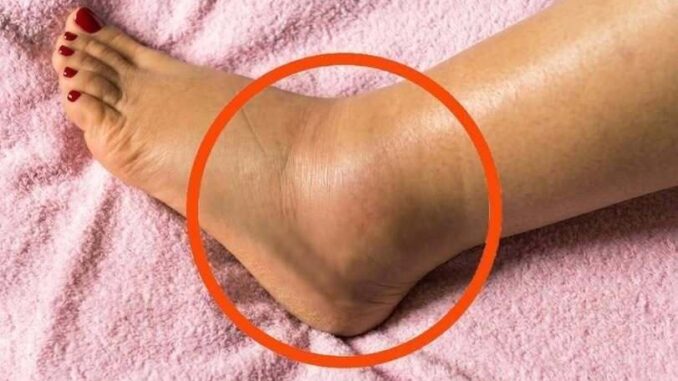
Many people experience swelling in their feet, ankles, or legs at some point in their lives. After a long day of standing, sitting during travel, exercising intensely, or dealing with hot weather, mild swelling can occur and often resolves on its own. Because it is such a common experience, many individuals dismiss swollen legs as a routine inconvenience or an unavoidable part of aging.
However, healthcare professionals emphasize that persistent, recurring, or worsening leg swelling should never be overlooked. While swelling is frequently linked to temporary and harmless factors, it can sometimes indicate that the body is responding to an underlying issue that deserves medical attention.
Understanding the possible causes of leg swelling, recognizing warning signs, and knowing when to consult a healthcare provider can help individuals take proactive steps toward protecting their overall health and well-being.
Understanding Leg Swelling
Leg swelling, medically referred to as edema when caused by fluid accumulation, occurs when excess fluid becomes trapped within the body’s tissues.
This can affect:
- Feet
- Ankles
- Calves
- Lower legs
- Entire legs in some cases
Swelling may appear gradually or develop more suddenly depending on the underlying cause.
Common symptoms can include:
- Puffiness around the ankles
- Tight or stretched skin
- Heaviness in the legs
- Difficulty fitting into shoes
- Visible indentation after pressing on the skin
- Reduced flexibility around joints
The severity can range from mild and temporary to significant and persistent.
Why Swelling Happens
The human body carefully regulates fluid balance through a complex system involving blood vessels, lymphatic circulation, kidneys, hormones, and other organs.
When this balance is disrupted, fluid may collect in tissues instead of circulating properly.
Several factors can contribute to this process, including:
- Gravity
- Circulation changes
- Inflammation
- Injury
- Certain medical conditions
- Medication side effects
Because swelling can result from numerous causes, identifying the reason behind it is essential.
Temporary Causes of Leg Swelling
Not all swelling signals a serious problem.
In many situations, leg swelling develops due to everyday activities or environmental factors.
Prolonged Sitting
Long periods of sitting can reduce circulation and allow fluid to accumulate in the lower extremities.
Examples include:
- Long flights
- Extended car rides
- Desk work
- Sedentary activities
Movement typically helps restore normal circulation.
Extended Standing
Jobs or activities that require standing for many hours can also contribute to swelling.
Teachers, healthcare workers, retail employees, and hospitality staff often experience this type of temporary fluid buildup.
Hot Weather
High temperatures can cause blood vessels to expand, making it easier for fluid to move into surrounding tissues.
As a result, swelling may become more noticeable during warmer months.
Intense Physical Activity
After strenuous exercise, temporary inflammation and increased blood flow can contribute to mild swelling.
This often improves with rest and recovery.
The Relationship Between Aging and Swelling
As people age, changes in circulation, muscle tone, and overall mobility can make swelling more common.
However, experts stress that swelling should not automatically be dismissed as “just aging.”
While age-related factors may contribute, persistent swelling often deserves evaluation to determine whether additional causes are involved.
Older adults should be especially attentive to changes that:
- Persist for several days
- Continue to worsen
- Affect daily activities
- Occur alongside other symptoms
Circulation Issues and Leg Swelling
Healthy circulation plays a critical role in moving blood efficiently throughout the body.
When circulation becomes less effective, fluid can accumulate in the legs.
Venous Insufficiency
One common cause involves difficulties within the veins that return blood from the legs back to the heart.
Veins contain valves that help blood move upward against gravity.
If these valves become less effective, blood may pool in the lower legs.
Potential symptoms include:
- Swelling
- Aching
- Heaviness
- Visible veins
- Skin changes over time
This condition becomes more common with age but can occur in adults of various ages.
The Role of the Lymphatic System
The lymphatic system helps remove excess fluid from tissues and supports immune function.
When lymphatic drainage is impaired, swelling may develop.
Potential signs can include:
- Persistent puffiness
- Tight skin
- Feelings of heaviness
- Reduced flexibility
Because the lymphatic system plays such an important role in fluid balance, disruptions may lead to noticeable swelling that requires professional evaluation.
Medications That May Contribute to Swelling
Many people are surprised to learn that certain medications can cause swelling as a side effect.
Examples may include:
- Some blood pressure medications
- Certain anti-inflammatory drugs
- Hormonal medications
- Some diabetes medications
- Specific prescription treatments
Individuals who notice swelling after starting a new medication should discuss their concerns with a healthcare provider rather than discontinuing medication independently.
A professional can determine whether adjustments are necessary.
Injuries and Inflammation
Physical injuries often lead to localized swelling as part of the body’s natural healing response.
Examples include:
- Sprains
- Strains
- Bruises
- Fractures
- Soft tissue injuries
Inflammation increases blood flow to the affected area and helps support tissue repair.
In many cases, swelling gradually improves as healing progresses.
However, persistent or severe swelling following an injury should be assessed by a medical professional.
Lifestyle Factors That May Influence Swelling
Certain lifestyle habits can contribute to fluid retention and swelling.
Reduced Physical Activity
Movement helps circulation function efficiently.
When activity levels decline, fluid may accumulate more easily in the lower extremities.
Dietary Factors
Excessive sodium consumption can encourage the body to retain additional fluid.
Highly processed foods often contain substantial amounts of sodium.
Weight Management
Carrying excess body weight may place additional pressure on circulation and contribute to swelling in some individuals.
Hydration
Although it may seem counterintuitive, proper hydration supports healthy fluid balance throughout the body.
Recognizing Changes That Warrant Attention
While occasional mild swelling is common, certain patterns deserve closer attention.
Individuals should consider consulting a healthcare provider if swelling:
- Persists for several days
- Recurs frequently
- Continues to worsen
- Becomes painful
- Interferes with daily activities
- Appears without an obvious explanation
Monitoring changes over time can provide valuable information during a medical evaluation.
One Leg Versus Both Legs
The pattern of swelling may offer clues regarding potential causes.
Swelling in Both Legs
Swelling affecting both legs is often associated with systemic factors such as:
- Fluid retention
- Circulatory changes
- Medication effects
- Lifestyle influences
Swelling in One Leg
Swelling affecting only one leg may sometimes indicate a localized issue.
Because individual circumstances vary significantly, professional assessment is important whenever swelling appears unusual or concerning.
Skin Changes Associated with Swelling
Persistent swelling may sometimes affect the appearance and condition of the skin.
Potential observations include:
- Tightness
- Shiny appearance
- Dryness
- Discoloration
- Increased sensitivity
These changes may indicate that swelling has been present for an extended period.
Early intervention often helps prevent complications related to long-term fluid accumulation.
The Importance of Monitoring Symptoms
Keeping track of symptoms can help healthcare providers identify potential causes more effectively.
Useful observations may include:
- When swelling began
- Whether it affects one or both legs
- Activities that worsen symptoms
- Factors that improve symptoms
- Associated discomfort
- Changes throughout the day
This information can assist medical professionals in determining appropriate next steps.
Everyday Strategies That May Help Reduce Mild Swelling
For swelling related to lifestyle or temporary factors, certain measures may provide relief.
Move Regularly
Frequent movement encourages healthy circulation.
Simple activities such as walking can help prevent fluid accumulation.
Elevate the Legs
Raising the legs above heart level periodically may help support fluid movement.
Wear Comfortable Clothing
Avoiding excessively tight garments around the legs can help promote circulation.
Stay Hydrated
Adequate hydration supports the body’s natural fluid regulation processes.
Maintain Physical Activity
Regular exercise can contribute to healthier circulation and overall wellness.
Why Self-Diagnosis Can Be Misleading
Because leg swelling has numerous potential causes, self-diagnosis may not always provide accurate answers.
Two individuals experiencing similar symptoms may have entirely different underlying reasons for their swelling.
For example:
- One person may simply be experiencing temporary fluid retention after travel.
- Another may require further medical evaluation to identify a circulation-related issue.
Professional guidance helps ensure that concerns are evaluated appropriately.
Preventive Habits for Long-Term Leg Health
Although not every cause of swelling can be prevented, several habits may support overall circulatory health.
These include:
- Maintaining regular physical activity
- Managing body weight
- Following a balanced diet
- Staying hydrated
- Taking movement breaks during prolonged sitting
- Wearing supportive footwear
- Attending regular medical checkups
Small lifestyle choices often contribute significantly to long-term wellness.
Understanding the Body’s Signals
One of the most important lessons about leg swelling is that the body often communicates through physical changes.
Symptoms such as swelling, discomfort, or changes in appearance may represent valuable information about what is happening internally.
Paying attention to these signals allows individuals to seek guidance when needed rather than assuming everything will resolve on its own.
Being proactive about health concerns does not mean becoming alarmed—it means remaining informed and attentive.
When Medical Evaluation Is Especially Important
While many cases of swelling are temporary and manageable, healthcare providers generally recommend prompt medical attention if swelling:
- Develops suddenly
- Becomes severe
- Is accompanied by significant pain
- Occurs alongside other concerning symptoms
- Continues worsening despite self-care measures
Early evaluation can help identify potential issues and support appropriate treatment when necessary.
The Importance of Listening to Your Body
Modern life often encourages people to ignore minor symptoms in favor of staying busy and productive.
However, persistent physical changes deserve attention.
Swollen legs may sometimes reflect nothing more than a long day or temporary fluid retention. Yet in other situations, they may serve as an important reminder that the body requires additional care and evaluation.
Listening to these signals allows individuals to make informed decisions about their health.
Conclusion
Leg swelling is a common experience that many people encounter from time to time. Factors such as prolonged standing, long periods of sitting, warm weather, and everyday lifestyle habits can all contribute to temporary swelling that often resolves on its own.
However, persistent, recurring, or worsening swelling should never be automatically dismissed as a normal part of aging or daily life. The body uses symptoms to communicate important information, and swelling may sometimes indicate an underlying issue that deserves medical attention.
By understanding the potential causes, monitoring symptoms carefully, maintaining healthy habits, and seeking professional advice when appropriate, individuals can take proactive steps toward protecting their health and maintaining their quality of life.
Ultimately, paying attention to what your body is telling you today may help prevent larger concerns tomorrow. Awareness, education, and timely medical guidance remain some of the most valuable tools for supporting long-term wellness and healthy aging.
Leave a Reply