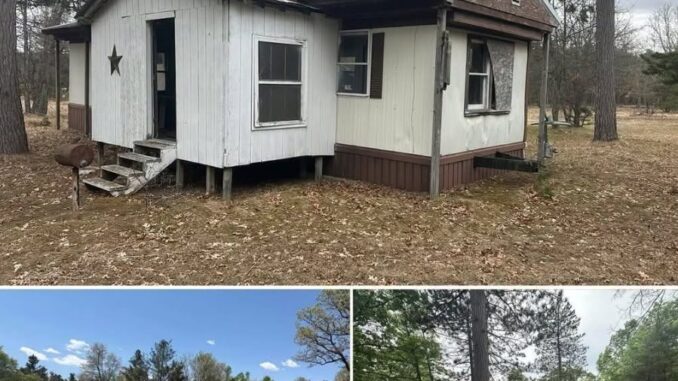
Northern Michigan is renowned for its expansive natural landscapes, abundant wildlife, and numerous opportunities for outdoor recreation. For those interested in owning a substantial piece of this scenic region, a 20-acre property currently available offers an attractive blend of natural beauty, established infrastructure, and access to popular outdoor activities.
This property consists of two adjoining 10-acre parcels sold together, resulting in a contiguous 20-acre tract. The land features a mix of mature forested areas, open spaces, and natural habitats that support local wildlife. This diverse environment provides a serene backdrop for a variety of recreational pursuits, including hiking, wildlife observation, and seasonal outdoor activities.
One of the notable on-site features is a raised deer blind, strategically positioned to facilitate wildlife viewing and hunting opportunities. This amenity enhances the property’s appeal to hunting enthusiasts and nature observers who value a ready-made platform for engaging with the local fauna.
Complementing the natural terrain is an established trail system that circles much of the property. These trails enable easy exploration by foot or off-road vehicles, allowing owners to access different areas of the land without the need for additional development. The trail network contributes to the property’s usability and enjoyment, providing convenient routes for outdoor excursions.
Located centrally within the acreage is a two-bedroom mobile home. While modest in style, this structure offers basic shelter and amenities such as electrical service, a septic system, and a private well (the current status of the well is unconfirmed and requires inspection). The mobile home can serve as a seasonal retreat, base camp for outdoor activities, or a starting point for customizing a more permanent residence.
Geographically, the property is situated near public access to the AuSable River, a well-known destination for fishing, paddling, and appreciating scenic waterways. The AuSable River is celebrated for its clear waters and natural beauty, making it a favored location for anglers and outdoor enthusiasts alike.
Beyond fishing, the surrounding region offers a wide array of recreational options year-round. The nearby forests and public lands are ideal for hiking, camping, photography, and observing diverse wildlife species. The seasonal changes in Northern Michigan add to the variety of outdoor experiences available on or near the property.
Privacy and seclusion are significant benefits of owning this acreage. The 20-acre size and wooded environment provide a buffer from urban development and neighboring properties, fostering a peaceful atmosphere for relaxation and nature immersion.
From a practical standpoint, properties combining sizable acreage with existing improvements and access trails are often challenging to find at reasonable prices. This offering’s combination of land, infrastructure, and wildlife amenities presents versatility, suitable for weekend getaways, seasonal use, or a recreational hub for family and friends.
Potential buyers should conduct thorough due diligence regarding all aspects of the property, including the condition of the mobile home, utility systems, and land boundaries. Inspection of the well and septic systems is recommended to assess functionality and compliance.
In summary, this 20-acre Northern Michigan property offers a unique opportunity to own a sizeable natural retreat with established trails, wildlife observation features, and basic accommodations. Its proximity to the AuSable River and the variety of outdoor activities available in the region make it an appealing choice for those seeking both tranquility and adventure in a private, rural setting.
Land Management and Conservation Opportunities
Owning a 20-acre property in Northern Michigan not only provides recreational benefits but also opens opportunities for land management and conservation efforts. Property owners can engage in sustainable practices such as selective timber harvesting, habitat restoration, and invasive species control to help maintain the ecological health of the land. The presence of mature forests and natural habitats on this property makes it a candidate for conservation programs that support native wildlife and plant species. Participation in such activities can enhance the long-term value and ecological integrity of the property while contributing positively to the local environment.
Additionally, landowners interested in conservation may explore options such as enrolling the property in conservation easements or working with local land trusts. These arrangements can offer financial incentives while protecting the land from future development, ensuring that its natural character is preserved for future generations. Such initiatives often involve collaboration with state forestry or wildlife agencies, providing access to expert guidance and potential funding.
Enhancing Recreational Potential Through Customization
While the existing trail system and mobile home provide a functional starting point, new owners have the flexibility to customize the property to better suit personal preferences and recreational needs. The trails could be expanded or maintained to accommodate activities such as mountain biking, snowmobiling, or horseback riding, depending on local regulations and terrain suitability.
The mobile home, serving as a base camp, can be upgraded or replaced to offer additional comfort or capacity for family and guests. Some owners might choose to add amenities like a garage or storage shed for recreational equipment, while others could develop outdoor spaces such as fire pits, picnic areas, or observation decks to enhance the enjoyment of the natural surroundings.
For those interested in hunting, small-scale improvements like food plots or wildlife-friendly landscaping can attract and support game species. Moreover, installing additional blinds or tree stands in strategic locations could improve hunting success and wildlife observation opportunities.
Local Community and Access to Services
Though the property offers privacy and seclusion, it remains accessible to nearby towns and communities where essential services and amenities are available. Prospective buyers will find that local grocery stores, hardware suppliers, medical facilities, and other conveniences are within reasonable driving distance, allowing for a balance between rural living and access to necessities.
The surrounding communities in Northern Michigan often have active outdoor and recreational groups, fostering a sense of community among landowners and enthusiasts. Participation in local events, conservation projects, or outdoor clubs can provide valuable social connections and opportunities to share knowledge about land management and recreational activities.
Seasonal Considerations and Climate
Northern Michigan experiences distinct seasonal variations that influence the use and enjoyment of properties such as this one. Winters bring snow and cold temperatures, creating opportunities for snowshoeing, cross-country skiing, and snowmobiling. The established trail system could be used for these winter activities, provided appropriate maintenance.
Spring and summer months offer favorable conditions for hiking, fishing, paddling, and wildlife observation. The area’s diverse flora and fauna become especially vibrant during these seasons, making them ideal times for nature photography and exploration.
Autumn is notable for its colorful foliage, providing scenic vistas and pleasant weather for outdoor recreation. Seasonal changes also impact local wildlife behavior, which can be of interest to hunters and naturalists.
Understanding the local climate patterns and preparing accordingly can enhance safety and maximize the enjoyment of the property throughout the year.
Navigating Legal and Regulatory Considerations
Purchasing rural property with existing structures and utility systems involves understanding relevant legal and regulatory requirements. Buyers should verify zoning classifications, land use restrictions, and building codes applicable to the parcels. This due diligence helps ensure that intended uses, such as hunting, camping, or building improvements, comply with local ordinances.
Additionally, environmental regulations may affect certain activities, especially those related to water use, septic systems, and wildlife management. Consulting with local planning departments or environmental agencies can clarify any restrictions or permits that may be necessary.
Prospective owners should also consider property boundary verification through a professional survey to resolve any uncertainties. Clear demarcation of property lines helps avoid disputes with neighbors and facilitates responsible land stewardship.
Financial Aspects and Investment Potential
The asking price of $125,000 for this 20-acre property offers a competitive entry point for those seeking recreational land in Northern Michigan. While traditional mortgage financing may be limited due to the property’s characteristics, potential buyers might explore alternative financing options or cash purchases.
Investing in rural land with established infrastructure can provide long-term value, especially in regions known for outdoor tourism and natural beauty. Owners may benefit from appreciation in property values over time, particularly if they enhance the land’s usability or develop amenities.
Moreover, owning a private retreat allows for personal enjoyment and potential cost savings compared to frequent travel to distant vacation destinations. The property’s versatility supports a range of uses, from solo outdoor pursuits to hosting gatherings, contributing to its appeal as a lifestyle investment.
Environmental and Wildlife Context
Northern Michigan’s ecosystems are characterized by mixed hardwood and conifer forests, wetlands, and riverine habitats. This diversity supports a wide array of wildlife species, including white-tailed deer, black bears, wild turkeys, and numerous songbirds. The property’s wooded areas and proximity to the AuSable River provide critical habitat corridors and resources for these animals.
Understanding the ecological context can enrich the experience of owning and managing the land. Wildlife observation, birdwatching, and nature study are accessible activities that complement hunting and fishing.
Preserving native plant species and minimizing habitat disturbance contribute to the health of local ecosystems. Landowners can also participate in citizen science programs or collaborate with conservation organizations to support regional biodiversity.
Conclusion
This 20-acre Northern Michigan property offers more than just land; it provides a foundation for a lifestyle immersed in nature and outdoor recreation. With established trails, a ready-made deer blind, basic accommodations, and proximity to renowned natural attractions, it represents a versatile and accessible option for individuals or families seeking a private retreat.
Through thoughtful management and customization, owners can tailor the property to their interests while contributing to conservation efforts. The balance of privacy, natural beauty, and recreational potential makes this parcel a noteworthy opportunity in the Northern Michigan real estate landscape.
Understanding Property Maintenance and Upkeep
Owning a rural property such as this 20-acre tract in Northern Michigan requires ongoing maintenance and attention to preserve its value and usability. Landowners should anticipate routine tasks including trail upkeep, vegetation management, and inspection of utility systems. Maintaining trails not only enhances access but also helps prevent erosion and protects natural habitats. Seasonal clearing of fallen branches or debris may be necessary, especially after storms or heavy snowfall.
The mobile home and associated infrastructure will also need regular servicing. Electrical systems should be checked for safety and functionality, septic systems require periodic inspection and pumping, and the private well should be tested to ensure water quality and operational status. Engaging qualified professionals for these tasks can help avoid costly repairs and ensure compliance with local health and safety standards.
Landowners might consider developing a maintenance schedule to manage these responsibilities efficiently. Additionally, investing time in learning about proper land stewardship techniques can aid in preserving the property’s natural features and promoting sustainable use.
Access and Transportation Considerations
While the property is secluded, access routes and transportation logistics are important factors for owners and visitors. The established trail system within the property facilitates internal movement; however, understanding the condition of external roads leading to the land is also essential. Depending on the season, weather conditions, and local infrastructure, access roads may vary in quality and accessibility.
Prospective buyers should inquire about road maintenance responsibilities, especially if private roads or shared access easements are involved. Ensuring reliable access throughout the year supports safe travel and emergency response if needed.
For recreational vehicle users, verifying that trails and access paths can accommodate specific vehicles such as ATVs, snowmobiles, or horse trailers is advisable. Planning for parking and storage of vehicles and equipment can improve convenience and protect natural areas from unintended damage.
Potential for Agricultural or Horticultural Use
Although primarily marketed as a recreational property, the land’s size and features may support limited agricultural or horticultural activities. Owners interested in small-scale farming, gardening, or specialty crops could explore possibilities depending on soil conditions, sunlight exposure, and local regulations.
The open areas within the 20 acres might be suitable for establishing vegetable gardens, orchards, or berry patches. Such endeavors can complement recreational use by providing fresh produce and opportunities for outdoor work and learning.
Before initiating agricultural projects, it is recommended to conduct soil testing and consult with local agricultural extension services. These resources can offer guidance on best practices, pest management, and sustainable cultivation tailored to the Northern Michigan climate.
Community Engagement and Resources
Engaging with local community resources can enhance the ownership experience and provide support for land management and recreational pursuits. Nearby conservation organizations, forestry departments, and outdoor clubs often offer educational programs, volunteer opportunities, and events that foster knowledge sharing and camaraderie among landowners.
Networking with neighbors and participating in regional initiatives can also contribute to effective land stewardship and wildlife conservation. Such connections may facilitate cooperative efforts in managing invasive species, controlling pests, or promoting fire safety.
Additionally, local government offices can be valuable sources of information regarding permits, property taxes, and development guidelines. Staying informed about regional planning efforts ensures that owners can adapt to changing circumstances and advocate for their interests.
Safety Considerations and Preparedness
Living or spending time on a rural property entails certain safety considerations. Owners should be prepared for emergencies such as medical incidents, severe weather, or fire. Establishing communication plans, maintaining first aid supplies, and having reliable means of contacting emergency services are prudent measures.
Fire safety is particularly important in wooded areas. Creating defensible space around structures, following guidelines for outdoor burning, and having firefighting equipment accessible can mitigate risks. Understanding local fire regulations and coordinating with fire departments enhances preparedness.
Wildlife encounters are a natural aspect of rural living. Educating oneself about local species, practicing safe food storage, and respecting wildlife habitats help minimize conflicts and promote coexistence.
Documenting Property Features and History
Keeping detailed records of the property’s features, improvements, and history can be beneficial for management and future transactions. Documentation might include surveys, utility system inspections, maintenance logs, and photographs.
Understanding the property’s history, including previous land use, past ownership, and any environmental assessments, can provide context for current conditions and inform decision-making. Such records also aid in demonstrating due diligence during resale or legal matters.
Modern tools such as GPS mapping and digital databases can assist owners in organizing and accessing property information efficiently.
Future Development Potential
While the current state of the property suits recreational and seasonal use, owners interested in future development should investigate applicable zoning laws and permitting processes. Northern Michigan communities often have specific requirements governing building size, placement, and environmental impact.
Exploring options for expanding or modifying existing structures, adding new amenities, or subdividing parcels can help owners maximize the property’s value in alignment with personal goals and regulatory frameworks.
Consulting with local planning authorities and professionals such as surveyors, architects, or land use attorneys can provide clarity and support for development planning.
Summary
This additional information highlights practical aspects of owning and enjoying the 20-acre Northern Michigan property beyond its immediate recreational appeal. Attention to maintenance, access, safety, and community engagement enhances the ownership experience and protects investment value. Opportunities for agricultural use, documentation, and future development add layers of potential for customization and growth. By considering these factors, prospective buyers and current owners can make informed decisions that support sustainable enjoyment and stewardship of this distinctive natural retreat.
Leave a Reply