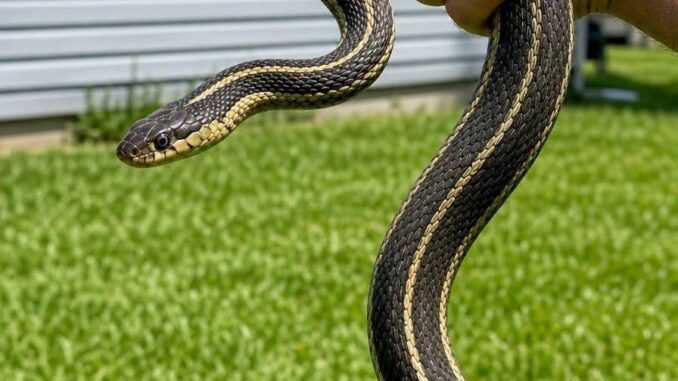
Snakes can be unsettling to encounter, especially when you’re gardening, playing with your children, or spending time outdoors with pets. However, most snakes prefer to avoid people and can play an important role in controlling rodents and other pests.
If you want to make your property less attractive to snakes, there are several practical steps you can take. The goal isn’t necessarily to eliminate every snake, but to reduce the conditions that encourage them to stay around your home.
1. Reduce Available Food Sources
Snakes often visit areas where prey is plentiful. Rodents are an especially important food source for many species.
To make your property less attractive:
- Keep garbage and compost containers securely covered.
- Clean up spilled birdseed regularly.
- Pick up fallen fruit from trees and plants.
- Avoid leaving pet food outdoors.
- Store animal feed in sealed containers.
- Address rodent problems around sheds, garages, and other structures.
Reducing the food supply can make your yard less appealing to snakes over time.
2. Keep the Yard Neat and Open
Overgrown vegetation, piles of branches, stacked materials, and other clutter can provide excellent hiding places for snakes and their prey.
Regularly mow grass, trim vegetation around buildings, and remove unnecessary debris. Keep firewood and other materials raised off the ground when possible.
A tidier yard gives snakes fewer sheltered areas where they can hide.
3. Be Careful With Bird Feeders
Bird feeders can unintentionally attract rodents because spilled seed provides an easy food source.
If you use bird feeders, place them away from the house and clean up fallen seed regularly. Choosing feeders designed to minimize spillage can also help.
The goal is to avoid creating a chain reaction in which birdseed attracts rodents and rodents attract snakes.
4. Seal Potential Entry Points
Even if you don’t mind snakes being outdoors, you probably don’t want one getting inside your home.
Inspect areas around:
- Doors and thresholds.
- Windows and screens.
- Foundation cracks.
- Pipes and utility openings.
- Garages and sheds.
- Crawl spaces and vents.
Seal appropriate gaps and repair damaged screens. Small openings can provide opportunities for wildlife to enter buildings.
Weatherstripping and properly fitted door sweeps can also help close gaps beneath exterior doors.
5. Be Cautious About “Natural Snake Repellents”
You may see recommendations online for essential oils, cinnamon, clove, citrus, or various homemade sprays.
Some substances have demonstrated repellent effects in particular laboratory or controlled circumstances, but that doesn’t necessarily mean a homemade spray will reliably keep snakes away from an entire yard.
If you try a scent-based deterrent, don’t treat it as a guaranteed solution. More dependable prevention usually comes from removing food, shelter, and access points.
Also be careful when using essential oils around pets, as some concentrated oils can be harmful to animals.
6. Don’t Rely on Mothballs
Mothballs are sometimes promoted online as a way to drive snakes away. However, they contain pesticides and aren’t a good choice for scattering around your yard.
They can be toxic if swallowed or improperly handled, and using pesticides in ways not specified on their labels can create unnecessary risks for children, pets, wildlife, and the environment.
Instead of using mothballs, focus on habitat management and sealing potential entry points.
7. Give Snakes Space When You Encounter One
If you see a snake outdoors, the safest response is usually to give it plenty of room.
Don’t attempt to grab, corner, hit, or otherwise handle it. Even a snake that isn’t considered highly dangerous can bite when it feels threatened.
Keep children and pets away and allow the snake an opportunity to move away on its own.
If the animal is in a location where it poses a genuine safety concern, contact a qualified local wildlife professional or animal-control service for advice about safe removal.
8. Make Your Property Less Attractive Overall
The most effective approach is usually a combination of several simple measures rather than one supposed “snake-proof” trick.
Keep vegetation maintained, eliminate unnecessary clutter, manage rodents, secure food and garbage, and inspect buildings for possible entry points.
You can also make outdoor areas more comfortable for your family by keeping play spaces and frequently used areas clear of dense vegetation and piles of materials.
What About Snake Traps?
Snake traps may sound like an easy solution, but they aren’t always appropriate. Trapping can expose you to unnecessary risk, and releasing wildlife in another location may be restricted or harmful depending on local regulations and the species involved.
If a snake needs to be removed, professional assistance is generally safer than attempting to capture an unfamiliar snake yourself.
Remember That Snakes Have an Important Role
Although it’s understandable to want snakes away from areas where your family spends time, they’re part of the natural ecosystem. Many species help control rodents and other animals that can themselves become household pests.
The best strategy is therefore prevention rather than persecution.
By reducing food sources, eliminating hiding places, maintaining your yard, and blocking access to your home, you can make your property less attractive to snakes while avoiding unnecessary harm to wildlife.
The Bottom Line
You don’t need harsh chemicals or risky homemade remedies to make your yard less inviting to snakes.
Focus on the basics:
- Keep the yard maintained.
- Remove piles of debris and unnecessary hiding places.
- Control rodents and other potential food sources.
- Clean up spilled birdseed and fallen fruit.
- Keep garbage and compost secured.
- Seal gaps around your home.
- Give snakes plenty of space if you encounter them.
- Get professional help when a snake presents a genuine safety concern.
These practical measures can help create a safer outdoor environment for your family and pets while allowing local wildlife to remain where it belongs.
Leave a Reply