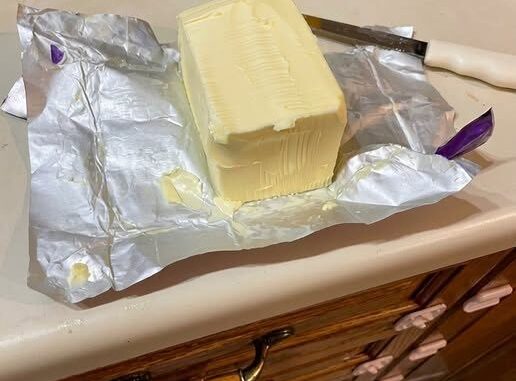
Butter is one of those everyday kitchen staples that seems to raise an important question: does it really need to stay in the refrigerator?
The answer isn’t always straightforward. Butter is relatively stable compared with many other dairy products, but how safely it can be stored at room temperature depends on factors such as temperature, humidity, the type of butter, and how it is handled.
If you enjoy having soft, spreadable butter ready for toast or baking, there are some simple ways to store it properly.
Why Butter Can Handle Room Temperature
Butter contains a high percentage of fat and considerably less water than products such as milk or cream. Because many microorganisms need available moisture to grow, butter is generally less prone to rapid spoilage.
Salted butter also has an additional advantage because salt can help slow certain forms of deterioration.
That doesn’t mean butter is completely resistant to spoilage. Warm conditions, exposure to air, light, moisture, and contamination can all affect its quality.
How Long Can Butter Stay Out?
There isn’t one universal time limit that applies to every kitchen.
A cool room is generally more suitable for keeping butter at room temperature than a hot or humid environment. During warm weather, butter can soften quickly and may develop unpleasant flavors sooner.
For the best quality, many people choose to leave only a small portion out for everyday use while keeping the remainder refrigerated.
Salted butter is generally more suitable for short-term room-temperature storage than unsalted butter. If your kitchen regularly becomes quite warm, refrigeration is the safer choice for maintaining freshness.
When in doubt, follow the storage instructions on the butter’s packaging.
How to Store Butter on the Counter
If you decide to keep butter at room temperature, a few simple habits can help protect its quality.
Use a Covered Butter Dish
A covered dish keeps the butter protected from dust, insects, kitchen debris, and unwanted odors.
It also makes it easier to keep the same portion separate from the rest of your refrigerated supply.
Keep It Away From Heat
Place butter somewhere cool and shaded.
Avoid locations directly beside an oven, stove, sunny window, or other heat source. Excessive warmth can cause butter to melt and can accelerate changes in flavor and texture.
Keep It Dry
Moisture can contribute to quality problems, so avoid storing butter where it may come into contact with water or condensation.
Always use clean utensils when handling it.
What About Butter Bells and Crocks?
Butter bells and butter crocks have been used for generations as a way to keep butter soft and protected.
Some designs use a small amount of water to create a seal around the butter. If you use one, the container should be cleaned regularly and the water changed according to the manufacturer’s instructions.
As with any room-temperature storage method, the surrounding temperature still matters. A traditional container doesn’t make butter immune to heat or spoilage.
How Can You Tell if Butter Has Gone Bad?
Butter can develop noticeable changes when its quality deteriorates.
Watch for:
- A rancid or unusual smell: Fresh butter should have a mild, pleasant dairy aroma. A strong stale or rancid smell is a good reason to discard it.
- An unpleasant flavor: If butter tastes noticeably bitter, sour, or otherwise abnormal, don’t continue using it.
- Mold: Visible mold is a clear indication that the butter should be thrown away.
- Unusual discoloration: Significant changes in appearance can be another warning sign.
- Poor overall quality: Butter that has been exposed to heat, air, or contaminants for an extended period may no longer taste fresh even if it doesn’t show obvious mold.
You don’t need to taste butter that already looks or smells suspicious. When something clearly appears spoiled, it’s better to discard it.
How to Soften Cold Butter Quickly
Sometimes refrigerated butter is exactly what you need—but it’s too firm to spread or incorporate into a recipe.
Fortunately, you don’t have to wait hours.
Cut It Into Small Pieces
Slice the butter into smaller pieces and leave them on a clean plate at room temperature. More surface area means the butter will soften faster.
Grate It
Cold butter can also be grated with a box grater. The thin pieces warm much more quickly and can be particularly useful when baking.
Use the Microwave Carefully
Place the butter on a microwave-safe plate and use a low-power setting for very short intervals.
Check it frequently. The goal is softened butter, not melted butter. This distinction can be especially important in baking because melted butter can change the texture of the finished recipe.
Room-Temperature Butter: Simple Do’s and Don’ts
Do:
- Keep butter covered when storing it on the counter.
- Choose a cool, dry location.
- Use clean utensils.
- Keep only a practical amount at room temperature.
- Refrigerate the remainder when appropriate.
- Pay attention to unusual smells, flavors, or visible mold.
- Follow the storage recommendations provided on the package.
Don’t:
- Leave butter beside a hot stove or oven.
- Store it in direct sunlight.
- Handle it with dirty utensils.
- Ignore obvious signs of spoilage.
- Assume every type of butter behaves exactly the same way.
- Keep butter at room temperature simply because the room is comfortable during one season; kitchen temperatures can change significantly throughout the year.
What About Unsalted Butter?
Unsalted butter generally has a shorter quality window at room temperature than salted butter.
Because it doesn’t contain added salt, it may be more susceptible to changes in flavor and freshness.
For this reason, people who use unsalted butter primarily for baking often prefer keeping it refrigerated and softening only the amount needed for a recipe.
The Bottom Line
Keeping butter on the counter can be convenient, but the conditions matter.
A small amount of butter stored in a covered container in a cool environment may remain suitable for everyday use, while warmer kitchen call for greater caution. Salted butter is generally better suited to short-term room-temperature storage than unsalted butter.
The most important habits are simple: keep butter covered, protect it from heat and sunlight, use clean utensils, and discard it if it develops an unusual smell, taste, or visible mold.
If your kitchen is warm or you’re uncertain about the storage conditions, refrigeration is the simplest way to preserve butter’s quality.
Leave a Reply