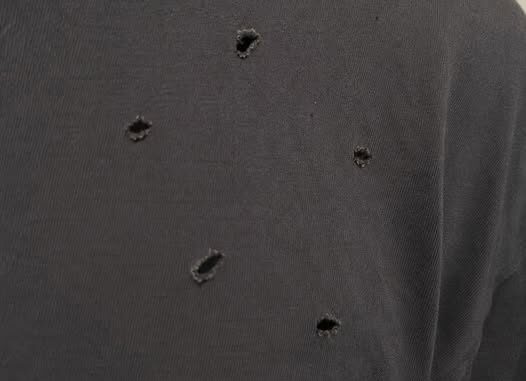
Finding a small hole in a favorite shirt can be surprisingly frustrating.
You put the garment away perfectly fine, only to discover a tiny tear the next time you wear it. Then another shirt develops a similar problem, and eventually you start wondering whether something in your laundry routine is quietly damaging your clothes.
The good news is that small holes usually have several possible explanations. Once you figure out where the damage is coming from, many of the causes are relatively easy to address.
Your Laundry Routine Could Be Contributing
Washing machines don’t necessarily cause holes by themselves, but the way clothes are washed can put additional stress on fabric.
Zippers, hooks, metal fasteners, and damaged seams can catch against other garments during a cycle. Overloading the washer can also leave clothing with less room to move freely, increasing twisting and friction.
Delicate fabrics can be particularly vulnerable.
Before washing, check garments for loose hardware or damaged seams. Fasten zippers and hooks when appropriate, and avoid filling the machine beyond its recommended capacity.
For especially delicate items, a mesh laundry bag can provide an additional layer of protection.
Heat Can Gradually Weaken Fabric
Your dryer may also play a role.
Repeated exposure to high temperatures can place additional stress on some fabrics. Over time, weakened fibers may become more susceptible to thinning, fraying, and eventually tearing.
That doesn’t mean you have to stop using a dryer altogether.
When the care label allows it, choosing a lower temperature can be gentler on clothing. You can also remove garments promptly once they’re dry rather than leaving them tumbling unnecessarily.
For delicate pieces, air-drying may be a better option.
Friction Is an Often-Overlooked Culprit
Sometimes the washing machine gets blamed when the real problem happens during everyday activities.
If you repeatedly lean against a kitchen counter, desk, workbench, seat belt, or another rough surface, the same area of a shirt can experience friction again and again.
Eventually, the fibers may become thinner.
This can help explain why holes sometimes appear in similar locations on multiple shirts.
Take a look at where the damage occurs. If several garments have holes around the same area, think about what regularly comes into contact with that part of your clothing.
Check Zippers, Buttons, and Other Fasteners
A sharp or rough edge doesn’t need to be particularly large to snag fabric.
Zippers can catch neighboring garments, while hooks, clips, and damaged buttons may pull on delicate material.
Before putting clothes into the washer, close zippers and fasteners where appropriate. Turn particularly delicate garments inside out if the care instructions permit it.
It’s also worth checking your clothing itself. A loose zipper or damaged seam can continue causing problems until it is repaired.
Don’t Forget About Pests
In some situations, insects can contribute to holes in stored clothing.
Certain fabric pests, including clothes moth larvae and carpet beetle larvae, can damage natural fibers. This is more likely when clothing is stored for long periods without being disturbed.
If you notice several holes in garments that have been sitting in a closet or storage area, inspect the surrounding space as well.
Look for signs of insects, larvae, shed skins, or damage to other stored fabrics.
Keeping storage areas clean and avoiding long-term accumulation of undisturbed textiles can help make the environment less attractive to fabric pests.
Fabric Quality Matters Too
Not every hole has a dramatic cause.
Some lightweight fabrics are simply more susceptible to wear than thicker materials. Repeated washing, stretching, friction, and normal use can gradually weaken fibers.
A thin cotton shirt that is worn and washed frequently may naturally show signs of wear sooner than a heavier garment.
That’s why it’s useful to consider the age and construction of the clothing before assuming that something unusual is responsible.
A Few Habits Can Make Clothes Last Longer
You don’t need an elaborate laundry system to reduce unnecessary wear.
A few simple habits can help:
- Follow the care instructions on the garment.
- Avoid overcrowding the washing machine.
- Use lower temperatures when appropriate.
- Separate delicate items from heavier garments.
- Consider mesh bags for particularly fragile clothing.
- Check pockets, zippers, hooks, and fasteners before washing.
- Avoid repeatedly rubbing clothing against rough surfaces.
- Inspect stored clothing if you notice unexplained holes.
These small changes can reduce unnecessary stress on your clothes.
Look at the Location of the Hole
One of the easiest ways to investigate the problem is to examine where the damage appears.
A hole near the waistline might point toward repeated contact with a counter or desk. Damage around fasteners could suggest snagging. Holes in clothing that has been stored for months may warrant checking for fabric pests.
The location doesn’t provide a guaranteed answer, but it can give you a useful clue.
The Bottom Line
Small holes in clothing aren’t always caused by one obvious problem.
Normal wear, friction, laundry habits, heat, sharp fasteners, delicate fabrics, and—in some circumstances—fabric pests can all contribute to damage.
Instead of immediately blaming your washing machine, look at the entire journey your clothes take, from the closet to the laundry basket to the dryer and back again.
Once you identify where the stress is happening, a few simple changes may be enough to keep your favorite clothes looking good for considerably longer.
Leave a Reply