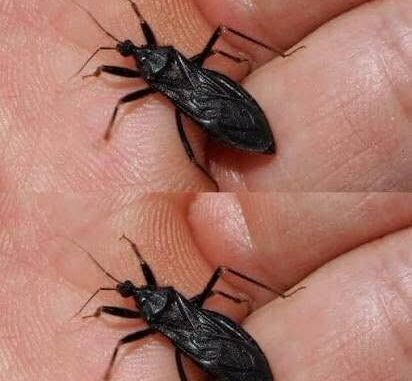
Summer brings warm weather, outdoor activities, and plenty of insects. While most bug bites are harmless and temporary, some insects deserve a little extra attention. One group that can cause concern is the assassin bug, particularly the insects commonly known as kissing bugs.
Although not every assassin bug is dangerous, some kissing bugs can carry a parasite called Trypanosoma cruzi, which can cause Chagas disease. However, being bitten by a bug that looks like a kissing bug does not automatically mean you have been infected.
Knowing what to do after a bite can help you stay calm and take sensible precautions.
What Is an Assassin Bug?
The term “assassin bug” refers to a large family of insects. Many species are actually predators that feed on other insects and can be beneficial in gardens.
A smaller group within this family is known as triatomine bugs, or kissing bugs. These insects feed on the blood of people and animals.
They can sometimes bite exposed areas of the body, including the face, which is where the nickname “kissing bug” comes from.
It is important to remember that not every insect called an assassin bug is a kissing bug, and not every kissing bug carries the parasite responsible for Chagas disease.
Can a Bite Cause Chagas Disease?
Some triatomine bugs can transmit Trypanosoma cruzi, the parasite that causes Chagas disease.
The parasite is generally not transmitted simply because the insect bites you. Instead, an infected insect may leave feces near the bite while feeding. If contaminated material gets into the bite wound or comes into contact with the eyes, mouth, or another mucous membrane, infection can potentially occur.
That means it is especially important to avoid scratching or rubbing material from an insect into the bite.
Chagas disease is not inevitable after exposure, and many people who encounter kissing bugs will never become infected.
What Should You Do After an Insect Bite?
If you think you’ve been bitten by an unfamiliar insect, start with simple first aid.
1. Wash the Area
Clean the bite gently with soap and water.
This helps remove dirt and other contaminants from the skin. Try not to scrub aggressively or irritate the area further.
2. Wash Your Hands
If you touched the insect or anything around the bite, wash your hands thoroughly before touching your eyes, nose, or mouth.
This is particularly important if you suspect the insect may have been a kissing bug.
3. Don’t Scratch
Insect bites can become itchy, but scratching can damage the skin and potentially lead to a secondary infection.
Keep the area clean and avoid repeatedly irritating it.
4. Use a Cool Compress
If the bite becomes itchy or swollen, a cool compress can help reduce discomfort.
Wrap an ice pack or some ice in a clean cloth rather than placing ice directly against your skin.
What If You Still Have the Insect?
If the insect is still nearby, don’t handle it unnecessarily.
If you can safely take a clear photograph without touching it, the image may help with identification. If the insect can be captured safely, preserving it may also be useful for an expert who can determine what species it is.
Correct identification is important because many insects can look similar, and an ordinary assassin bug is not necessarily a disease-carrying kissing bug.
When Should You Contact a Doctor?
If you believe you’ve been exposed to a kissing bug, especially in an area where Chagas disease occurs, consider contacting a healthcare professional.
Tell them when and where the exposure happened and describe the insect if you can.
You should also seek medical advice if you develop unusual or persistent symptoms after a suspected exposure.
Early Chagas infection can sometimes cause symptoms such as:
- Fever
- Fatigue
- Headache
- Body aches
- Rash
- Swelling
- Swelling around the area where the parasite entered the body
However, some people have few or no noticeable symptoms during the early stage.
For that reason, you shouldn’t rely on symptoms alone to determine whether you have been infected.
Why Chagas Disease Can Be Difficult to Recognize
One reason Chagas disease deserves attention is that infection may initially be mild or completely unnoticed.
Some people remain without obvious symptoms for years. In certain cases, however, chronic infection can eventually affect the heart or digestive system.
This doesn’t mean that every person bitten by a kissing bug will develop serious illness. Rather, it is a reminder that a credible exposure should not automatically be dismissed.
A healthcare professional can determine whether testing or further evaluation is appropriate.
How to Reduce Your Risk
You don’t need to stay indoors all summer because of insects.
A few practical precautions can reduce the chances of unwanted encounters.
- Keep outdoor areas reasonably clean and free of excessive debris.
- Repair cracks and gaps around doors, windows, and walls where insects could enter.
- Make sure window and door screens are in good condition.
- Keep sleeping areas protected from insects when traveling in regions where kissing bugs are common.
- Wear long sleeves and long pants when appropriate.
- Use an insect repellent according to its instructions.
- Keep pets from investigating or eating unfamiliar insects.
- If you notice a significant insect infestation around your home, consider contacting a qualified pest-control professional.
Don’t Assume Every Bite Is Dangerous
The appearance of an insect can sometimes be alarming, particularly when you hear frightening stories about disease-carrying bugs.
But not every assassin bug is a kissing bug, and not every kissing bug is infected.
A typical insect bite may simply cause temporary redness, itching, or swelling and then resolve on its own.
The important thing is to pay attention to the circumstances surrounding the bite rather than immediately assuming the worst.
What You Should Remember
If you suspect you’ve been bitten by an assassin or kissing bug, stay calm.
Clean the bite, avoid scratching it, wash your hands, and avoid rubbing any insect material into your eyes, mouth, or the wound.
If you can safely identify or photograph the insect, that information may be helpful. If you have concerns about possible Chagas exposure, contact a healthcare professional and explain what happened.
Awareness is useful, but fear isn’t necessary.
Most encounters with insects do not result in serious illness. By knowing what to look for and taking sensible precautions, you can continue enjoying your time outdoors while being better prepared if an unusual insect happens to cross your path.
This article is intended for general educational purposes and should not be considered a diagnosis or a substitute for individualized medical advice. If you are concerned about a possible insect-borne infection or develop persistent or severe symptoms, speak with a qualified healthcare professional.
Leave a Reply