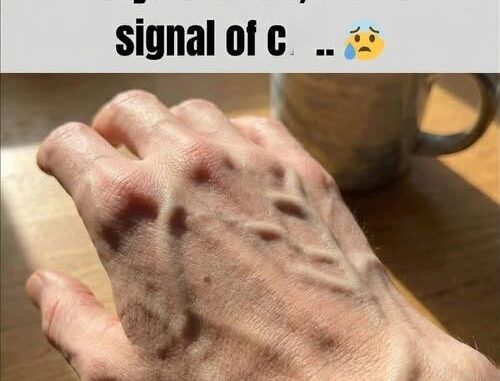
Looking a Little Deeper: How Circulation Affects What You See

Beyond the surface, visible veins are closely tied to how efficiently your circulatory system is working. Veins carry blood back to the heart, and their appearance can subtly change depending on how actively blood is flowing at a given time.

For example, after physical activity, your heart rate increases and circulation becomes more active. As a result, veins may appear slightly fuller or more noticeable. This is a normal response and typically fades as your body returns to a resting state.

Even everyday activities—like carrying groceries, typing for long periods, or spending time outdoors—can temporarily influence how your veins look. These small changes are part of the body’s natural adjustments and don’t usually indicate anything unusual.

The Role of Genetics

Another important factor that often goes unnoticed is genetics. Just as people inherit traits like height, eye color, or hair texture, they can also inherit how visible their veins are.

Some individuals naturally have:

  • More prominent vein structures
  • Lighter or thinner skin
  • Lower natural fat distribution in certain areas

All of these can make veins easier to see, especially in the hands and arms. If you’ve noticed that other family members have similar features, it’s likely just a shared physical trait rather than a concern.

Hydration, Nutrition, and Daily Habits

While vein visibility is mostly influenced by natural factors, everyday habits can still play a small role.

Staying hydrated helps maintain proper blood volume and circulation, which can influence how veins appear. Similarly, balanced nutrition supports overall vascular health, even if it doesn’t drastically change visibility.

Some people also notice slight differences depending on:

  • Salt intake (which can affect fluid balance)
  • Physical fatigue
  • Time of day

These changes are usually temporary and subtle, but they highlight how dynamic the body can be.

Situations Where Awareness Matters

Although visible veins are generally harmless, it’s helpful to stay aware of changes that feel different from your usual baseline.

You might consider paying closer attention if you notice:

  • Sudden swelling around a vein
  • Persistent pain or tenderness
  • Skin changes, such as redness or unusual warmth
  • Veins that feel unusually firm or raised

These signs don’t automatically indicate a serious issue, but they may be worth discussing with a healthcare professional for reassurance.

Understanding the Bigger Picture

It’s easy to focus on one visible feature and wonder what it means, but the body rarely communicates in isolated signals. Health is usually reflected through a combination of factors rather than a single observation.

Visible veins, on their own, don’t provide enough information to draw strong conclusions. That’s why it’s important to consider:

  • Overall well-being
  • Energy levels
  • Physical comfort
  • Any additional symptoms

Looking at the full picture helps avoid unnecessary worry and supports a more accurate understanding.

Shifting Perspective

In many cases, visible veins are simply a reflection of normal anatomy and healthy circulation. For some people, they may even become more noticeable during periods of improved fitness or activity.

Rather than viewing them as something negative, it can be helpful to see them as part of your body’s natural design—one that varies from person to person.

The human body is full of small details that can seem unfamiliar until we understand them better. Visible veins in the hands are one of those details—common, natural, and usually harmless.

By focusing on balanced information and avoiding exaggerated claims, you can approach these observations with clarity instead of concern.

In most situations, visible veins are simply another reminder of how your body functions beneath the surface—quietly, efficiently, and exactly as it should.

How Lighting and Environment Influence What You See

One detail that’s often overlooked is how much lighting affects the visibility of veins. Natural sunlight, for example, can make veins appear more pronounced because it highlights contrast beneath the skin. In bright conditions, especially outdoors, even subtle features become easier to notice.

Indoor lighting can have a similar effect depending on its intensity and direction. Overhead lighting may cast slight shadows that emphasize the shape of veins, while softer lighting may make them appear less noticeable. This means that what you see in one environment might look completely different in another.

Because of this, it’s important not to rely on a single moment or setting when evaluating changes in your body. A feature that appears prominent in one situation may look much less noticeable in another.


Temporary Changes Throughout the Day

Vein visibility is not constant—it can shift throughout the day based on normal body activity.

For example:

  • In the morning, veins may appear less prominent due to lower activity levels
  • After movement or exercise, they may become more visible
  • During rest, they may return to a more subtle appearance

These natural fluctuations are part of how the body regulates circulation. Blood flow adjusts continuously depending on what you’re doing, how your body feels, and even your posture.

Something as simple as holding your hands below heart level for a period of time can cause veins to appear more noticeable temporarily due to increased blood pooling. Once you change position, they usually return to normal.


The Influence of Skin Tone and Texture

Skin tone can also affect how visible veins appear. In individuals with lighter skin tones, veins may be easier to see due to contrast. In darker skin tones, veins may still be visible but appear more subtle.

Skin texture and condition play a role as well. Smooth, hydrated skin can reflect light differently than dry or textured skin, which may influence how underlying veins are perceived.

These variations are entirely natural and contribute to the wide range of appearances people have. There is no single “normal” look—only individual differences.


Hormonal Changes and Their Effects

Hormonal fluctuations can influence many aspects of the body, including circulation. At certain times, such as during periods of hormonal change, veins may appear slightly different than usual.

For example:

  • Some individuals notice changes during periods of stress
  • Others may observe differences at various stages of life
  • Temporary shifts can occur due to internal body regulation

These changes are typically mild and short-lived. They are part of the body’s natural adjustment processes and usually do not indicate anything concerning.


Why Comparison Can Be Misleading

It’s easy to compare your body to others, especially when you notice something that seems different. However, comparing vein visibility can be particularly misleading.

Two people can have completely different appearances due to:

  • Genetics
  • Lifestyle
  • Skin characteristics
  • Natural body composition

Even the same person can look different from one day to the next.

Because of this, using someone else’s appearance as a benchmark often creates unnecessary confusion. What matters more is understanding what is normal for your own body.


Emotional Reactions and Body Awareness

Noticing changes in your body can sometimes trigger concern, even when the change is harmless. This is a natural response—especially when something appears unfamiliar.

However, increased awareness can sometimes lead to overinterpretation. The more closely we observe small details, the more likely we are to notice variations that have always been there.

Taking a balanced approach helps. Instead of focusing on a single feature, it’s more useful to consider overall patterns and whether anything truly unusual is happening.


When Curiosity Becomes a Positive Tool

Being aware of your body is not a bad thing—in fact, it can be very helpful. The key is how that awareness is used.

Healthy curiosity involves:

  • Observing changes over time
  • Noticing patterns rather than isolated moments
  • Staying informed without assuming the worst

This kind of awareness can support better overall well-being, as it encourages attention without unnecessary worry.


The Role of Preventive Care

Even though visible veins are usually harmless, maintaining general health supports your circulatory system over time.

Simple habits can make a difference:

  • Staying physically active
  • Drinking enough water
  • Eating a balanced diet
  • Avoiding prolonged inactivity

These practices don’t necessarily change how veins look dramatically, but they support the systems that keep your body functioning well.


A Long-Term Perspective

Over the years, your body will naturally change. Veins that were barely noticeable in earlier years may become more visible later on, especially as skin and tissue evolve.

Understanding this as part of the natural aging process can help shift perspective. Instead of seeing it as something unusual, it becomes easier to recognize it as a normal progression.


Final Thoughts

Visible veins in the hands are one of many small details that can draw attention, especially when they seem to appear more clearly than before. But in most cases, they are simply the result of normal, everyday factors—lighting, activity, temperature, genetics, and natural body changes.

By stepping back and looking at the bigger picture, it becomes clear that these variations are not signals of something wrong, but reflections of how the body works.

The more we understand these details, the easier it becomes to replace uncertainty with confidence.

In the end, visible veins are just another example of the body’s natural design—constantly adjusting, responding, and functioning in ways that support everyday life.

Be the first to comment

Leave a Reply

Your email address will not be published.


*