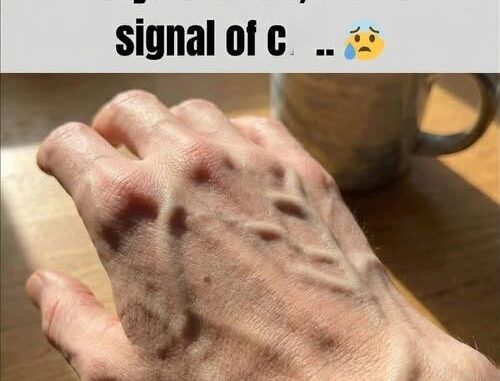
Beyond the surface, visible veins are closely tied to how efficiently your circulatory system is working. Veins carry blood back to the heart, and their appearance can subtly change depending on how actively blood is flowing at a given time.
For example, after physical activity, your heart rate increases and circulation becomes more active. As a result, veins may appear slightly fuller or more noticeable. This is a normal response and typically fades as your body returns to a resting state.
Even everyday activities—like carrying groceries, typing for long periods, or spending time outdoors—can temporarily influence how your veins look. These small changes are part of the body’s natural adjustments and don’t usually indicate anything unusual.
The Role of Genetics
Another important factor that often goes unnoticed is genetics. Just as people inherit traits like height, eye color, or hair texture, they can also inherit how visible their veins are.
Some individuals naturally have:
- More prominent vein structures
- Lighter or thinner skin
- Lower natural fat distribution in certain areas
All of these can make veins easier to see, especially in the hands and arms. If you’ve noticed that other family members have similar features, it’s likely just a shared physical trait rather than a concern.
Hydration, Nutrition, and Daily Habits
While vein visibility is mostly influenced by natural factors, everyday habits can still play a small role.
Staying hydrated helps maintain proper blood volume and circulation, which can influence how veins appear. Similarly, balanced nutrition supports overall vascular health, even if it doesn’t drastically change visibility.
Some people also notice slight differences depending on:
- Salt intake (which can affect fluid balance)
- Physical fatigue
- Time of day
These changes are usually temporary and subtle, but they highlight how dynamic the body can be.
Situations Where Awareness Matters
Although visible veins are generally harmless, it’s helpful to stay aware of changes that feel different from your usual baseline.
You might consider paying closer attention if you notice:
- Sudden swelling around a vein
- Persistent pain or tenderness
- Skin changes, such as redness or unusual warmth
- Veins that feel unusually firm or raised
These signs don’t automatically indicate a serious issue, but they may be worth discussing with a healthcare professional for reassurance.
Understanding the Bigger Picture
It’s easy to focus on one visible feature and wonder what it means, but the body rarely communicates in isolated signals. Health is usually reflected through a combination of factors rather than a single observation.
Visible veins, on their own, don’t provide enough information to draw strong conclusions. That’s why it’s important to consider:
- Overall well-being
- Energy levels
- Physical comfort
- Any additional symptoms
Looking at the full picture helps avoid unnecessary worry and supports a more accurate understanding.
Shifting Perspective
In many cases, visible veins are simply a reflection of normal anatomy and healthy circulation. For some people, they may even become more noticeable during periods of improved fitness or activity.
Rather than viewing them as something negative, it can be helpful to see them as part of your body’s natural design—one that varies from person to person.
The human body is full of small details that can seem unfamiliar until we understand them better. Visible veins in the hands are one of those details—common, natural, and usually harmless.
By focusing on balanced information and avoiding exaggerated claims, you can approach these observations with clarity instead of concern.
In most situations, visible veins are simply another reminder of how your body functions beneath the surface—quietly, efficiently, and exactly as it should.
Leave a Reply