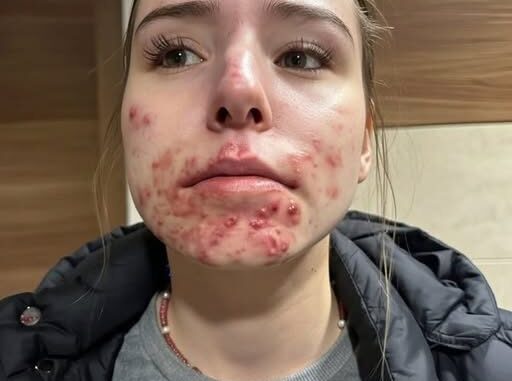
Many people assume acne is something that belongs to the teenage years. Once high school is over and adulthood begins, breakouts are expected to fade into memory along with yearbook photos and adolescent insecurities.
Yet for millions of adults, that expectation does not match reality.
A stubborn pimple on the chin appears seemingly out of nowhere. Then another follows. Before long, recurring breakouts around the chin and jawline become an ongoing frustration. Despite careful skincare routines, expensive products, and healthy habits, the problem refuses to disappear.
If this sounds familiar, you are far from alone.
Adult acne has become increasingly common, affecting people well beyond their teenage years. In fact, dermatologists report that many adults experience breakouts into their thirties, forties, fifties, and beyond.
When acne appears around the chin and jawline, it often points toward underlying factors that go beyond simple skincare issues.
Rather than indicating “bad skin,” these breakouts may reflect changes happening within the body itself.
Why Adult Acne Is Different
Teenage acne and adult acne may look similar on the surface, but they often develop for different reasons.
During adolescence, acne is frequently linked to puberty and the surge of hormones that accompany physical development. Increased oil production can clog pores and create ideal conditions for breakouts.
Adult acne, however, is often influenced by a wider range of factors.
These may include:
- Hormonal fluctuations
- Stress
- Lifestyle changes
- Medications
- Skincare products
- Sleep habits
- Underlying health conditions
Because multiple factors can contribute simultaneously, adult acne is sometimes more difficult to treat than teenage acne.
The location of the breakouts can also provide important clues.
Why Chin Acne Gets Special Attention
Dermatologists often pay close attention to acne appearing on the chin and jawline.
While acne can occur anywhere on the face, breakouts concentrated in these areas are frequently associated with hormonal influences.
This does not mean hormones are always responsible, but they are often an important piece of the puzzle.
The skin contains oil-producing glands that respond to hormonal signals. When those signals change, oil production can increase, creating conditions that encourage clogged pores and inflammation.
As a result, the chin and lower face commonly become areas where hormonal acne appears.
Hormones and Adult Breakouts
Hormones play a central role in regulating numerous bodily functions, including skin health.
Even relatively small hormonal fluctuations can influence oil production and inflammation.
For women, several life stages may contribute to hormonal changes associated with acne.
These include:
- Menstrual cycles
- Pregnancy
- Perimenopause
- Menopause
- Starting hormonal birth control
- Stopping hormonal birth control
Conditions such as Polycystic Ovary Syndrome can also contribute to persistent acne by affecting hormone levels and androgen activity.
Many women notice a predictable pattern in their breakouts, with flare-ups occurring around specific times each month.
This recurring cycle often suggests that hormones are playing a significant role.
Hormonal Changes in Men
Although hormonal acne is often discussed in relation to women, men can experience similar issues.
Hormone levels change gradually throughout adulthood, influencing skin behavior over time.
Testosterone affects oil production, and fluctuations in hormone activity can contribute to increased sebum production.
When excess oil combines with dead skin cells and bacteria, clogged pores may develop.
For some men, the chin and jawline become particularly vulnerable to these changes.
While the process is often less dramatic than certain hormonal shifts experienced by women, it can still contribute to recurring adult acne.
Stress and Your Skin
One of the most underestimated causes of adult acne is stress.
Many people think of stress as an emotional experience, but it also triggers measurable biological responses throughout the body.
When stress levels rise, the body releases hormones including cortisol.
Cortisol helps prepare the body to respond to challenges, but it can also influence the skin.
Higher cortisol levels may:
- Increase oil production
- Promote inflammation
- Disrupt skin barrier function
- Slow healing processes
As a result, periods of prolonged stress can contribute to acne flare-ups.
The connection is not always obvious.
Someone may feel they are handling life’s demands reasonably well while their body continues responding to chronic stress beneath the surface.
Financial concerns, work deadlines, family responsibilities, health issues, and everyday pressures can all contribute to this response.
Sleep and Skin Health
Sleep plays a surprisingly important role in maintaining healthy skin.
During sleep, the body performs many restorative functions, including tissue repair and hormonal regulation.
Poor sleep quality can interfere with these processes.
Research suggests that inadequate sleep may:
- Increase stress hormones
- Promote inflammation
- Affect immune function
- Influence skin healing
When sleep problems become chronic, breakouts may become more frequent or harder to resolve.
Improving sleep habits often benefits not only overall health but skin health as well.
The Impact of Diet
Diet alone does not cause acne, but certain dietary patterns may influence breakouts in some individuals.
Researchers continue studying the relationship between nutrition and skin health.
Some evidence suggests that foods with a high glycemic load may contribute to acne in susceptible individuals.
These foods can cause rapid increases in blood sugar levels, which may influence hormonal pathways associated with oil production.
Potential dietary factors being studied include:
- Highly processed foods
- Sugary beverages
- Excessive refined carbohydrates
- Certain dairy products
Responses vary widely from person to person.
What affects one individual may have little impact on another.
For this reason, healthcare professionals often recommend paying attention to personal patterns rather than assuming a single food is responsible.
Skincare Products May Also Contribute
Sometimes the products intended to improve acne can actually make it worse.
Heavy creams, oil-based cosmetics, or products that clog pores may contribute to breakouts.
Even products labeled as “natural” can sometimes irritate sensitive skin.
Common skincare mistakes include:
- Over-cleansing
- Excessive exfoliation
- Using harsh scrubs
- Frequently changing products
- Combining too many active ingredients
When the skin becomes irritated, inflammation may increase and acne can worsen.
A consistent, gentle skincare routine is often more effective than aggressive treatment approaches.
Touching Your Face More Than You Realize
Many people unconsciously touch their faces throughout the day.
Resting the chin on a hand, holding a phone against the face, or repeatedly touching blemishes can transfer oil, bacteria, and dirt to the skin.
While touching alone does not cause acne, it can contribute to irritation and make existing breakouts worse.
This habit may be especially relevant for chin acne because people frequently rest their hands in that area while working, reading, or using electronic devices.
Awareness of these habits can sometimes help reduce unnecessary irritation.
Masks, Sweat, and Friction
In recent years, dermatologists have also observed acne related to friction and trapped moisture.
Any situation that creates repeated rubbing against the skin may contribute to irritation.
Examples include:
- Face masks
- Athletic equipment
- Chin straps
- Tight clothing
- Helmets
Sweat combined with friction can increase the likelihood of clogged pores and inflammation in some individuals.
Keeping skin clean after exercise and reducing unnecessary friction may help minimize these effects.
When It May Be Time to See a Professional
Occasional breakouts are common and often manageable with over-the-counter products.
However, persistent acne may warrant professional evaluation.
A dermatologist can help determine whether breakouts are linked to:
- Hormonal factors
- Medication side effects
- Underlying medical conditions
- Skincare practices
- Other dermatological concerns
Early treatment may help prevent scarring and reduce long-term frustration.
Professional guidance can also help individuals avoid spending money on products that may not address the root cause of their acne.
The Emotional Impact of Adult Acne
Adult acne can affect more than physical appearance.
Many people experience frustration, embarrassment, or reduced self-confidence when dealing with persistent breakouts.
Because acne is often associated with adolescence, adults may feel particularly discouraged when it continues later in life.
It is important to remember that adult acne is extremely common.
Experiencing breakouts does not indicate poor hygiene or personal failure.
In many cases, it reflects complex biological processes occurring beneath the surface.
Understanding this can help reduce self-blame and encourage a more constructive approach to treatment.
The Bottom Line
If you continue experiencing breakouts around your chin and jawline as an adult, you are certainly not alone.
These types of breakouts are often linked to hormonal influences, stress, lifestyle factors, and changes occurring within the body rather than simple skincare mistakes.
While the occasional pimple may seem minor, recurring chin acne can provide valuable clues about what is happening beneath the surface.
Hormonal fluctuations, elevated stress levels, inadequate sleep, dietary patterns, skincare habits, and underlying health conditions can all play a role.
The good news is that understanding these factors makes it easier to identify potential triggers and seek appropriate treatment when necessary.
Rather than viewing adult acne as a sign of bad skin, it may be more helpful to see it as a signal from the body—one that deserves attention, patience, and a thoughtful approach to overall health and wellness.
Leave a Reply