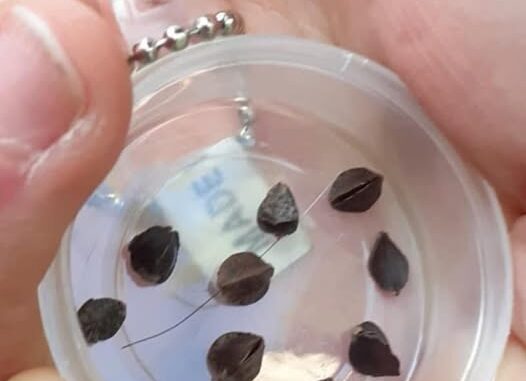
Finding tiny, seed-like particles scattered across your bed can definitely catch you off guard. At first glance, it’s easy to assume the worst—maybe insects, droppings, or something unfamiliar and concerning. Fortunately, in many cases, the explanation is much simpler and far less alarming.
Those little “seeds” are often buckwheat hulls, and they typically come from a type of bedding known as a Sobakawa pillow.
What Is a Sobakawa Pillow?
A Sobakawa pillow is different from standard pillows filled with foam, feathers, or synthetic fibers. Instead, it contains the outer shells of buckwheat seeds—called hulls.
These hulls are small, firm, and lightweight. Rather than compressing like traditional pillows, they shift and adjust to the shape of your head and neck. This creates a supportive surface that many people find helpful for maintaining proper alignment during sleep.
Another benefit is airflow. Because the hulls don’t trap heat the way foam can, these pillows tend to stay cooler throughout the night.
This style of pillow has roots in traditional Japanese bedding and became more widely known in Western countries during the late 20th century.
Why Are the Hulls Showing Up?
If you’re seeing these pieces outside the pillow, the most likely cause is simple:
The pillow is leaking.
Over time, the fabric casing—especially along seams—can wear down. When that happens, the small hulls can slip through even tiny openings and spread across your bedding or floor.
Because they’re dry and lightweight, they scatter easily, which can make the situation seem more unusual than it actually is.
Are They Harmful?
No, buckwheat hulls are not dangerous.
They’re natural, non-toxic, and generally don’t attract pests. While they might be inconvenient or a bit messy, they don’t pose a health risk in typical situations.
What You Can Do About It
If you find these “seeds,” a few simple steps can solve the problem:
- Inspect the pillow: Check for small tears or weakened seams
- Repair or replace: Minor damage can sometimes be stitched, but older pillows may need replacing
- Clean the area: Vacuum or shake out bedding to remove loose hulls
- Use a protective cover: This can help prevent future leaks and extend the pillow’s lifespan
Why People Still Use Them
Even with the occasional mess, buckwheat pillows remain popular for a reason. Many users appreciate:
- Firm, adjustable support
- Better airflow and cooler sleep
- Long-lasting materials when properly maintained
They’re especially favored by people who prefer structured support over softness.
The Bigger Picture
What makes this situation interesting isn’t just the surprise—it’s how unfamiliar materials can immediately raise concern. Most modern bedding relies on synthetic fills, so encountering something natural like buckwheat hulls can feel out of place.
In reality, it’s just a different approach to comfort—one focused on function, airflow, and durability rather than plush softness.
So if you spot those odd little “seeds,” there’s no need to panic. It’s likely just a sign that your pillow needs a little attention—not a mystery or a threat.
Sometimes, even the strangest discoveries have the simplest explanations.
A Small Discovery That Feels Bigger Than It Is
What often makes this situation feel alarming isn’t the hulls themselves—it’s the surprise. Most people are used to smooth, sealed pillows, so finding loose, grain-like pieces in your bed can feel completely out of place. Your mind naturally jumps to unusual or worst-case explanations.
In reality, it’s simply a sign that your Sobakawa pillow needs attention.
If you’ve never used one before, this might actually be your introduction to a more traditional style of sleep support. Buckwheat pillows are designed to last a long time, but like anything with natural materials, they need occasional care. Checking seams regularly and using a protective cover can make a big difference in preventing leaks.
For some people, this small inconvenience is worth it. The firm support and breathability often lead to better sleep quality, especially for those who struggle with overheating or neck discomfort.
So while those “seeds” may have looked strange at first, they’re really just a clue—pointing to a simple, natural product doing exactly what it was designed to do.
Leave a Reply