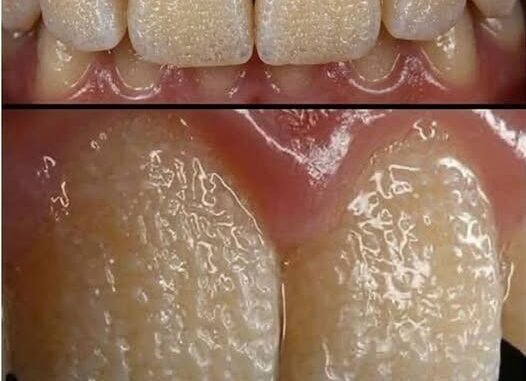
What Your Teeth Are Trying to Tell You: Everyday Habits, Hidden Risks, and a Lesser-Known Genetic Condition (Rewritten & Expanded)

Most people don’t pay close attention to their teeth until something starts to feel wrong. A little sensitivity when drinking something cold, a faint change in color, or mild discomfort while chewing is often brushed off as normal. Many assume these changes are simply part of aging or the result of daily habits like coffee, tea, or inconsistent brushing.

However, oral health is far more complex than it appears on the surface.

Your teeth are constantly responding to both external influences and internal biological factors. While lifestyle habits play a significant role in their condition, they are not always the full explanation. In some cases, dental changes are linked to deeper causes that begin long before symptoms become noticeable.

Understanding these differences is important because it helps you respond appropriately—whether that means improving daily care or seeking professional advice.


The Importance of Tooth Enamel

At the core of dental health lies a protective layer called enamel.

Enamel is the outermost surface of the tooth and serves as its first line of defense. It protects against temperature changes, pressure from chewing, and exposure to acidic or sugary foods. Despite being the hardest substance in the human body, enamel has one major limitation: it cannot regenerate once it is lost.

This makes enamel both incredibly strong and surprisingly vulnerable.

When enamel becomes thin or damaged, the inner layer of the tooth—called dentin—becomes exposed. This is when people often begin to notice sensitivity, discomfort, or changes in tooth color.

Because enamel does not grow back, prevention is always more effective than treatment.


Everyday Habits That Affect Dental Health

Many of the changes people notice in their teeth are connected to everyday habits. These effects usually develop slowly over time, making them easy to overlook in the early stages.

Acidic Drinks and Foods

Common beverages like soda, citrus juices, and energy drinks contain acids that gradually weaken enamel. Even healthy choices like lemon water can contribute to enamel erosion if consumed frequently without rinsing or balance.

Over time, repeated exposure to acids can soften the enamel surface, making it more prone to wear.


Sugar and Bacteria Activity

Sugar itself does not directly damage teeth, but it feeds bacteria in the mouth. These bacteria produce acids as they break down sugar, and those acids attack enamel.

Frequent sugar consumption increases the amount of acid exposure, which raises the risk of decay and sensitivity.


Staining and Surface Changes

Coffee, tea, red wine, and certain sauces can stain teeth. While staining is not always a sign of damage, it can become more noticeable when enamel is already thinning.

In many cases, discoloration and enamel wear appear together, even though they are caused by different processes.


Constant Snacking

One of the most overlooked habits is frequent snacking throughout the day. Every time food is consumed, the mouth becomes acidic for a short period. Normally, saliva helps neutralize this acidity.

However, constant eating does not give the mouth enough time to recover, which can lead to long-term enamel stress.


When Dental Changes Are Not Caused by Lifestyle

While habits explain many dental issues, they do not explain everything.

Some individuals experience enamel problems even when they maintain excellent oral hygiene and healthy routines. In such cases, the cause may not be external at all—it may be biological.

One of the most important examples of this is a rare genetic condition called Amelogenesis Imperfecta.


Understanding Amelogenesis Imperfecta

Amelogenesis Imperfecta (AI) is a condition that affects the development of tooth enamel before teeth even emerge.

Unlike enamel erosion caused by diet or habits, AI begins during tooth formation. This means the teeth are affected from the very beginning of development.

People with this condition may have enamel that is:

  • Thinner than normal
  • Softer than typical enamel
  • Poorly mineralized or weak

Because enamel is compromised from the start, teeth may appear different in both color and texture.


How It Affects Teeth Appearance and Function

The appearance of teeth affected by AI can vary widely. Some people may have mild discoloration, while others may experience more noticeable differences.

Common characteristics include:

  • Yellow, brown, or grayish tooth color
  • Uneven or rough enamel surface
  • Small pits or irregular shapes on teeth
  • Increased wear over time

Beyond appearance, the functional impact can also be significant.

Since enamel protects the inner layers of the tooth, weakened enamel leads to:

  • Higher sensitivity to temperature changes
  • Discomfort when eating sweet or acidic foods
  • Increased risk of wear and damage

Even everyday activities like brushing or breathing in cold air can sometimes cause discomfort.


Different Forms of the Condition

Amelogenesis Imperfecta is not a single uniform condition. It includes several types, each affecting enamel in different ways.

Hypoplastic Type

In this form, enamel is thinner than normal but still relatively hard. Teeth may appear smaller or have visible grooves and surface irregularities.

Hypomaturation Type

Here, enamel forms at a normal thickness but lacks proper hardness. This makes it more vulnerable to wear and damage.

Hypocalcified Type

This is often the most severe form, where enamel is extremely weak and may break down easily shortly after teeth erupt.

Each type requires a different approach to dental care and long-term management.


How Dentists Identify Enamel Issues

Diagnosing enamel-related conditions involves a combination of methods.

Dentists typically examine:

  • The appearance of teeth
  • X-ray imaging
  • Patient symptoms such as sensitivity
  • Family dental history

Because conditions like Amelogenesis Imperfecta are genetic, family patterns often provide important clues during diagnosis.

Early detection is especially valuable because it allows for preventive treatment planning before serious complications develop.


Treatment and Management Options

Since enamel cannot naturally regenerate, treatment focuses on protection and restoration rather than cure.

Common approaches include:

Protective Dental Crowns

Crowns can cover and protect weakened teeth, improving both strength and function.

Veneers and Bonding

These treatments improve appearance and add a protective layer to the tooth surface.

Fluoride Treatments

Fluoride helps strengthen existing enamel and reduce further decay risk.

Sensitivity Management

Special toothpaste and treatments can reduce discomfort caused by exposed dentin.

In more complex cases, long-term dental care plans may involve multiple procedures over time.


Emotional and Psychological Impact

Dental conditions are not only physical—they can also affect emotional well-being.

People with visible enamel differences may feel self-conscious about their smile. This is especially common among teenagers and young adults, where appearance can significantly influence confidence.

However, it is important to understand that conditions like Amelogenesis Imperfecta are medical in nature. They are not caused by poor hygiene or neglect.

This distinction helps reduce stigma and encourages more supportive conversations around dental differences.


Lifestyle vs Genetic Causes: Key Differences

Understanding the difference between external damage and genetic conditions is essential.

Lifestyle-Related Issues:

  • Develop gradually
  • Caused by diet or habits
  • Can often be prevented or slowed

Genetic Conditions:

  • Present from early development
  • Not caused by behavior
  • Require professional treatment and long-term care

Although symptoms may look similar, the underlying causes are very different.


Protecting Your Teeth Long-Term

Regardless of the cause, there are steps everyone can take to support dental health:

  • Brush twice daily with fluoride toothpaste
  • Reduce sugary and acidic food intake
  • Drink water regularly throughout the day
  • Visit a dentist for routine checkups
  • Address sensitivity or discomfort early

For individuals with underlying conditions, these habits become even more important as part of daily management.


Final Thoughts

Your teeth often reflect more than just your habits—they reflect your biology, environment, and long-term care patterns.

Some changes are minor and temporary, while others may indicate deeper underlying conditions. Learning to recognize the difference is key to maintaining long-term oral health.

Whether dealing with everyday enamel wear or rare genetic conditions like Amelogenesis Imperfecta, awareness is the first step toward effective care.

With proper attention, guidance, and preventive habits, it is entirely possible to maintain strong, functional, and healthy teeth throughout life.

Be the first to comment

Leave a Reply

Your email address will not be published.


*