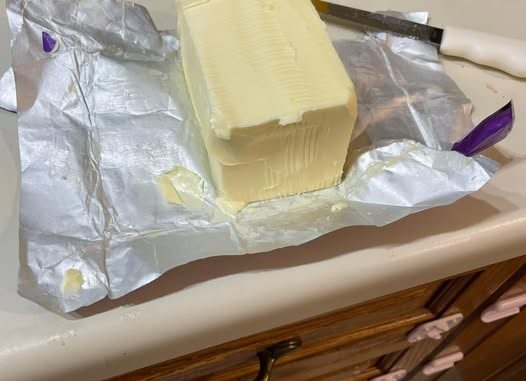
Butter is one of the most common and beloved ingredients in kitchens around the world. Whether it’s spread on warm toast, melted into vegetables, or used in baking, its rich flavor and creamy texture make it a daily essential for many households. But one question often comes up: is it safe to leave butter out on the counter instead of refrigerating it?
The short answer is yes—but only under the right conditions. Understanding how butter behaves at room temperature can help you keep it both safe and perfectly spreadable.
Why Butter Can Be Left at Room Temperature
Butter is different from many other dairy products because of its composition. It is made mostly of milk fat with a very low water content. This matters because bacteria need moisture to grow, and butter doesn’t provide much of it.
Because of its high fat and low moisture structure, butter is naturally more stable than milk or cream. This is why it doesn’t spoil as quickly when left out of the refrigerator.
However, “stable” does not mean “indestructible.” Environmental conditions still matter a lot.
How Long Can Butter Stay Out?
The safety of butter left on the counter depends mainly on temperature and storage method.
- Cool room temperatures (below 70°F / 21°C):
Butter can usually stay out safely for up to one week if properly covered. - Warmer kitchens (above 70°F):
Butter may only last a few days before quality starts to decline. - Unsalted vs salted butter:
Salted butter tends to last longer because salt acts as a mild preservative, slowing down spoilage.
Even when butter is safe to eat, it may start to lose flavor or develop a greasy texture if left out too long in warm conditions.
Does Butter Go Bad on the Counter?
Yes, it eventually can. While butter resists bacteria better than many foods, it can still spoil due to heat, air exposure, or contamination.
Signs that butter has gone bad include:
- A sour or rancid smell
- A bitter or unpleasant taste
- Visible mold spots or unusual discoloration
- Oily separation or grainy texture
If any of these appear, it’s best to discard the butter immediately.
Best Ways to Store Butter at Room Temperature
If you prefer soft, spreadable butter, proper storage is essential.
1. Use a Covered Butter Dish
A butter dish with a lid is the simplest option. It protects the butter from dust, air, and kitchen odors while keeping it easily accessible.
2. Keep It in a Cool, Stable Spot
Place butter away from sunlight, ovens, stovetops, or windows. Heat and light speed up spoilage and can cause it to soften too much.
3. Try a Butter Crock (Butter Bell)
A butter crock is a traditional storage method that uses a small amount of water to create an airtight seal. The butter stays soft and protected from air exposure, while still remaining fresh for longer periods.
How to Tell If Butter Has Gone Bad
Even with proper storage, it’s important to check butter regularly.
Watch for:
- Smell changes: Fresh butter smells mild and creamy. Rancid butter smells sour or sharp.
- Taste changes: If it tastes off, bitter, or strange, don’t use it.
- Color changes: Grey, green, or dark spots indicate spoilage or mold.
- Texture changes: Separation, excessive oiliness, or curdling can signal breakdown.
When in doubt, it’s always safer to throw it away.
How to Soften Butter Quickly
Sometimes you need soft butter immediately. Here are a few safe methods:
Microwave Method
Cut butter into small pieces and heat in short bursts (5–10 seconds). Check frequently to avoid melting it completely.
Grating Method
Use a cheese grater to shred cold butter. The small pieces soften quickly at room temperature.
Leave a Reply