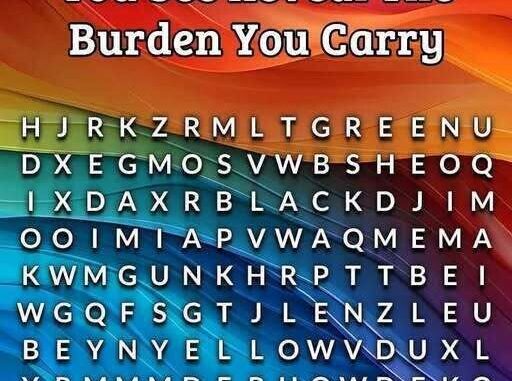
Colors surround us every day, influencing our experiences in ways we rarely notice. From the clothes we wear and the homes we decorate to the products we buy and the environments we spend time in, color plays a powerful role in shaping how we feel and how we interact with the world.
Most people think of color as a matter of personal taste. Some prefer calming blues, while others are drawn to vibrant reds or elegant shades of black. Yet psychologists, designers, marketers, and researchers have long recognized that color often carries deeper emotional significance.
While favorite colors cannot provide a complete picture of a person’s personality, they can offer fascinating insights into mood, emotional states, and subconscious preferences. The colors people choose—and even the ones they avoid—may reflect inner needs, current life circumstances, and emotional experiences that are not always easy to express with words.
In many ways, color functions as a silent language. It communicates feelings, creates atmosphere, and influences perception before a single word is spoken.
The Psychology Behind Color
Human beings are highly visual creatures.
The brain processes visual information incredibly quickly, often forming emotional impressions within moments of seeing a particular color. These reactions are influenced by a combination of biology, personal experiences, and cultural associations.
Researchers studying color psychology have found that different colors can affect mood, attention, and even behavior. Certain shades may evoke feelings of calmness, excitement, comfort, or energy.
For example, hospitals often use soft blues and greens because these colors are associated with relaxation and healing. Restaurants frequently incorporate warm reds and oranges because such colors can stimulate appetite and create a welcoming atmosphere.
Although responses to color vary among individuals, some emotional patterns appear consistently across different populations.
Understanding these associations can help explain why people feel naturally drawn toward certain colors during specific periods of their lives.
Red: Energy, Passion, and Intensity
Few colors attract attention as powerfully as red.
Bold, vibrant, and impossible to ignore, red is often associated with passion, confidence, determination, and excitement. It is a color frequently linked to action and strong emotions.
Because red stimulates the senses, it can create feelings of energy and motivation. Many people choose red when they want to feel more confident or make a strong impression.
Psychologists often associate red with:
- Passion
- Courage
- Ambition
- Determination
- Excitement
- Strength
However, red also has another side.
Because it is connected to intensity, it can sometimes reflect emotional tension, impatience, or frustration. People who find themselves increasingly drawn to red may be seeking stimulation during periods when life feels stagnant or lacking excitement.
In some cases, attraction to red may indicate a desire for change, action, or greater emotional engagement.
Blue: Calm, Trust, and Emotional Balance
Blue consistently ranks among the world’s most popular colors.
Associated with the sky and the ocean, blue often evokes feelings of peace, stability, and reliability. It is frequently used in professional settings because it inspires trust and confidence.
People who favor blue often appreciate harmony and emotional balance. They may seek environments that feel calm, predictable, and secure.
Common associations with blue include:
- Serenity
- Trustworthiness
- Stability
- Reflection
- Intelligence
- Calmness
Yet blue’s emotional meaning is not always straightforward.
The same color that represents peace can also symbolize loneliness or emotional distance. Phrases such as “feeling blue” illustrate the longstanding connection between blue and melancholy.
When individuals are going through stressful periods, they may gravitate toward blue because it provides a sense of emotional refuge and comfort.
In these situations, blue may represent a subconscious desire for calm and reassurance.
Purple: Creativity, Mystery, and Transformation
Purple has long been associated with mystery, imagination, and transformation.
Historically linked to royalty and prestige, purple occupies a unique position between the energetic nature of red and the calming qualities of blue.
This combination gives purple a distinctive psychological character.
People who are attracted to purple often value creativity, self-expression, and personal growth. They may enjoy exploring ideas, reflecting deeply, and seeking meaning beyond surface appearances.
Purple is commonly connected with:
- Creativity
- Spiritual reflection
- Personal transformation
- Wisdom
- Imagination
- Individuality
During major life transitions, some individuals find themselves increasingly drawn to shades of purple.
Whether facing a career change, moving to a new city, ending a relationship, or beginning a new chapter, purple often symbolizes the process of transformation and renewal.
For many, it represents the space between what was and what is yet to come.
Green: Growth, Healing, and Renewal
Green is strongly connected to nature, making it one of the most universally comforting colors.
Associated with forests, plants, and renewal, green often symbolizes growth, balance, and recovery.
People who favor green frequently seek stability and emotional well-being. They may value personal development and appreciate environments that feel peaceful and restorative.
Green is often linked to:
- Healing
- Balance
- Renewal
- Growth
- Harmony
- Optimism
Many wellness spaces incorporate green because it promotes relaxation and reduces feelings of stress.
Individuals navigating periods of recovery—whether physical, emotional, or psychological—may feel particularly attracted to green tones.
In these situations, green can reflect a desire for healing and a return to balance.
Yellow: Optimism and Mental Stimulation
Bright and energetic, yellow is often associated with happiness, creativity, and optimism.
As the color most closely linked to sunlight, yellow naturally evokes feelings of warmth and positivity.
People drawn to yellow often enjoy learning, social interaction, and new experiences.
Common associations include:
- Joy
- Curiosity
- Enthusiasm
- Creativity
- Positivity
- Confidence
However, excessive yellow can sometimes feel overwhelming or overstimulating. In color psychology, this duality reflects how enthusiasm and nervous energy can occasionally coexist.
Those attracted to yellow may be seeking inspiration, motivation, or renewed optimism during challenging times.
Black: Protection, Sophistication, and Control
Black often carries complex and sometimes contradictory meanings.
It can represent elegance, sophistication, authority, and strength. At the same time, it may symbolize privacy, protection, or emotional boundaries.
People who frequently choose black clothing or décor are not necessarily expressing negativity. In many cases, black provides a sense of confidence and control.
Psychological associations with black include:
- Independence
- Strength
- Sophistication
- Privacy
- Protection
- Authority
For some individuals, black functions as emotional armor.
During periods of uncertainty or vulnerability, darker colors may offer a sense of security and stability.
Rather than reflecting sadness, the choice may indicate a desire for simplicity, focus, or emotional protection.
White: Simplicity, Clarity, and New Beginnings
White is often associated with cleanliness, simplicity, and fresh starts.
Because it reflects light and creates a sense of openness, white frequently symbolizes clarity and possibility.
People who appreciate white often value organization, minimalism, and peaceful environments.
White commonly represents:
- Purity
- Simplicity
- Fresh beginnings
- Clarity
- Peace
- Openness
However, cultural interpretations of white vary significantly around the world.
In some societies, white is connected to celebrations and new beginnings. In others, it may be associated with mourning or remembrance.
These cultural influences help shape individual emotional responses to the color.
Why Color Preferences Change Over Time
One of the most fascinating aspects of color psychology is that preferences often evolve.
A favorite color during adolescence may feel completely different years later. Likewise, people frequently discover new color preferences during significant life transitions.
Major experiences that can influence color choices include:
- Career changes
- Moving to a new home
- Relationship transitions
- Personal growth journeys
- Recovery from illness
- Major life achievements
As emotional needs shift, color preferences often change as well.
Someone experiencing stress may suddenly prefer calming blues and greens. Another person beginning an exciting new chapter may become attracted to vibrant reds or bright yellows.
These shifts can occur gradually and often happen without conscious awareness.
The Meaning Behind Colors We Avoid
Interestingly, the colors people dislike may reveal as much as the colors they love.
Color avoidance can sometimes reflect emotional associations, personal experiences, or subconscious discomfort.
For example:
- Avoiding red may indicate discomfort with confrontation or intensity.
- Disliking yellow may reflect sensitivity to overstimulation.
- Rejecting black may suggest a preference for openness and transparency.
- Avoiding white could be connected to discomfort with vulnerability or emptiness.
These interpretations are not universal, but they illustrate how emotional experiences can shape color preferences over time.
The absence of attraction can be just as revealing as attraction itself.
Color in Everyday Life
Color influences daily life in countless subtle ways.
The paint chosen for a bedroom, the sweater selected in the morning, or the phone case carried every day may all reflect emotional preferences and psychological needs.
Even when decisions appear random, they are often influenced by feelings operating beneath conscious awareness.
Designers, advertisers, architects, and artists understand this influence well. They use color strategically to create emotional responses and shape experiences.
Individuals can also use color intentionally.
Choosing colors that align with desired emotions may help create environments that support relaxation, productivity, creativity, or confidence.
Listening to What Color Might Be Saying
While color preferences cannot diagnose personality traits or reveal hidden truths with certainty, they can offer valuable clues about emotional states and personal experiences.
The colors that attract us often reflect what we need, what we value, or what we are currently experiencing.
Whether it is the calming embrace of blue, the transformative energy of purple, the healing nature of green, or the bold confidence of red, each color tells part of a larger story.
The next time a particular shade captures your attention, consider pausing for a moment.
Ask yourself why that color feels appealing right now.
The answer may reveal something meaningful about your emotions, your goals, or the stage of life you are currently navigating.
Sometimes, color speaks quietly—but it often says more than we realize.
Leave a Reply