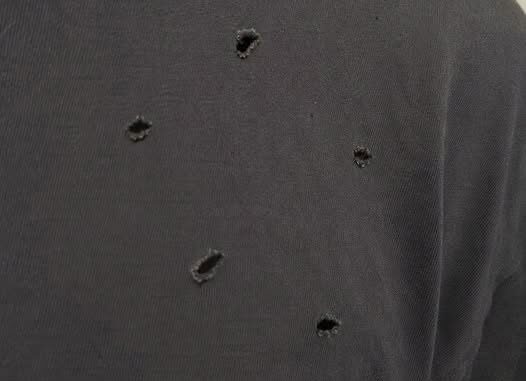
Few household frustrations are as puzzling as discovering tiny holes in your favorite clothes.
One day a T-shirt looks perfectly fine, and the next, small tears seem to appear out of nowhere. The damage often shows up around the lower front of shirts, on lightweight fabrics, or in frequently worn garments. Because the holes can appear gradually, many people blame poor manufacturing, low-quality materials, or simple bad luck.
However, clothing experts say that these mysterious holes are often caused by everyday laundry habits that slowly weaken fabric over time.
The good news is that understanding what causes the damage can help prevent it. In many cases, a few simple adjustments to washing and drying routines can significantly extend the life of clothing and help keep favorite garments looking newer for longer.
The Mystery of Tiny Holes
When people notice small holes in clothing, they often assume something dramatic has happened.
Some suspect insects.
Others blame defective fabrics.
Many believe the clothing simply wore out prematurely.
While these explanations can occasionally be correct, the reality is often much simpler.
Tiny holes frequently develop because of repeated friction, stretching, and stress during regular washing and drying cycles.
Unlike a large tear that appears suddenly, these small holes form gradually as fabric fibers weaken over time.
Each wash may remove only a tiny amount of strength from the material, but the cumulative effect eventually becomes visible.
By the time a hole appears, the damage has often been occurring for weeks or months.
How Washing Machines Affect Fabrics
Modern washing machines make cleaning clothes convenient, but they can also subject fabrics to considerable mechanical stress.
Every cycle involves movement, agitation, twisting, and rubbing.
These actions are necessary for removing dirt and stains, but they also place strain on fibers.
The degree of stress depends on several factors, including machine design, load size, fabric type, and washing settings.
Top-Loading Machines
Traditional top-loading machines often use a central agitator to move clothing through water.
The agitator’s purpose is to improve cleaning performance by creating motion and friction.
While effective for cleaning, this process can be tough on delicate fabrics.
Lightweight materials may become twisted, stretched, or repeatedly pulled against other garments.
Over time, these forces can weaken fibers and contribute to small tears.
Front-Loading Machines
Front-loading machines are generally considered gentler than agitator models.
However, they are not completely free from fabric wear.
As garments tumble against one another, friction still occurs.
When clothing repeatedly rubs against rough surfaces, zippers, buttons, and seams, small areas of damage can gradually develop.
Even gentle washing cycles can contribute to wear if garments are not sorted properly.
The Hidden Damage Caused by Zippers and Fasteners
One of the most overlooked causes of clothing damage is contact with metal hardware.
Open zippers, jean buttons, bra hooks, snaps, and other fasteners can act like abrasive surfaces during the wash cycle.
As garments move around inside the machine, these hard edges repeatedly scrape against softer fabrics.
The effect is similar to rubbing sandpaper against delicate material.
Lightweight T-shirts, knit fabrics, athletic wear, and synthetic blends are particularly vulnerable.
Because the damage occurs gradually, many people never realize the source of the problem.
Instead, they continue replacing clothing without addressing the underlying cause.
Why Lightweight Fabrics Are More Vulnerable
Not all fabrics respond to washing in the same way.
Heavier materials such as denim and canvas are designed to withstand significant stress.
Lighter fabrics, however, contain thinner fibers that can break more easily.
Common fabrics vulnerable to hole formation include:
- Lightweight cotton T-shirts
- Knit tops
- Activewear
- Modal blends
- Rayon garments
- Delicate synthetic fabrics
These materials often provide comfort and breathability but require additional care during laundering.
Repeated exposure to friction can eventually weaken specific areas until tiny holes begin to appear.
The Problem with Overloading the Washer
Many households attempt to maximize efficiency by washing large loads of clothing at once.
Although this may save time and energy, it can significantly increase wear on fabrics.
When a washing machine is overloaded, garments have less room to move freely.
Instead of circulating smoothly through water, clothing becomes compressed and forced against neighboring items.
This creates excessive rubbing and strain.
Imagine several people crowded into a small space, constantly pushing against one another.
A similar situation occurs inside an overloaded washer.
The increased friction accelerates fabric breakdown and raises the likelihood of damage.
Laundry professionals generally recommend filling the machine according to manufacturer guidelines while leaving enough room for clothing to move comfortably.
How Dryers Contribute to Fabric Damage
Washing is only part of the equation.
Dryers can also play a major role in shortening the lifespan of clothing.
Heat and mechanical tumbling place additional stress on fibers that may already be weakened from washing.
High Heat Weakens Fibers
Excessive dryer temperatures can gradually reduce fabric strength.
Natural fibers such as cotton become more vulnerable when repeatedly exposed to intense heat.
Synthetic materials may also experience degradation over time.
The damage may not be immediately visible.
Instead, fibers slowly lose flexibility and resilience.
Eventually, weakened areas become susceptible to tearing and hole formation.
Over-Drying Creates Additional Wear
Many people leave clothes in the dryer longer than necessary.
While convenient, extended drying times expose fabrics to unnecessary stress.
Removing clothing promptly once dry can help reduce wear and preserve fabric integrity.
Common Clothing Combinations That Cause Problems
Some laundry combinations are particularly hard on fabrics.
For example:
- Jeans mixed with lightweight shirts
- Towels washed with delicate garments
- Jackets combined with knitwear
- Clothing with exposed zippers mixed with soft fabrics
Heavy items create friction and pressure that lighter materials cannot easily withstand.
Separating garments by weight and fabric type helps minimize unnecessary wear.
This simple step can significantly reduce damage over time.
Why Tiny Holes Often Appear in Similar Locations
Many people notice that holes repeatedly develop in the same area of clothing.
This pattern is not accidental.
Certain sections of garments experience more stress than others.
Areas commonly affected include:
- Lower front portions of shirts
- Waistline regions
- Side seams
- Underarm areas
- Thin fabric sections
These locations often encounter repeated friction during daily activities as well as during laundering.
When weakened fibers face both washing stress and everyday wear, holes can develop more quickly.
Simple Steps to Protect Your Clothes
Fortunately, preventing laundry-related damage does not require expensive equipment or complicated techniques.
Small changes can make a substantial difference.
Turn Garments Inside Out
Turning clothing inside out helps protect visible fabric surfaces from abrasion.
This reduces friction between delicate outer fibers and rough items in the wash.
Close Zippers and Fasteners
Before washing, zip all zippers and secure hooks, snaps, and buttons whenever possible.
This prevents metal hardware from scraping nearby fabrics.
Use Mesh Laundry Bags
Mesh bags provide an additional layer of protection for delicate garments.
They help reduce friction while still allowing water and detergent to circulate effectively.
Separate Heavy and Light Items
Wash lightweight clothing separately from heavy fabrics such as jeans, towels, and jackets.
This minimizes abrasive contact during washing and drying.
Avoid Overloading Machines
Leave sufficient room inside the washer and dryer for clothing to move freely.
Crowded loads create excessive friction and increase stress on fibers.
Choose Lower Dryer Temperatures
Whenever possible, use lower heat settings.
Gentler drying temperatures help preserve fiber strength and reduce long-term wear.
Consider Air Drying
For especially delicate garments, air drying may be the best option.
Reducing heat exposure can significantly extend fabric lifespan.
The Financial Benefits of Proper Laundry Care
Clothing replacement costs add up quickly.
Many people spend substantial amounts replacing shirts, activewear, undergarments, and other items that wear out prematurely.
Improving laundry habits can produce meaningful savings over time.
Extending the life of clothing means:
- Fewer replacement purchases
- Better value from existing garments
- Reduced textile waste
- Lower household expenses
Small preventive measures often provide significant long-term benefits.
Sustainability and Clothing Longevity
Protecting clothing is not only good for personal finances—it also supports environmental sustainability.
The fashion industry consumes considerable resources, including water, energy, and raw materials.
When garments last longer, fewer replacements are needed.
Extending the lifespan of clothing helps reduce waste and lowers overall environmental impact.
Simple laundry practices can therefore benefit both households and the environment.
A Few Minutes of Prevention Can Save Years of Wear
The appearance of mysterious holes in clothing can be frustrating, especially when favorite garments are affected.
Fortunately, the cause is often not poor-quality clothing or unavoidable wear.
Instead, everyday laundry habits frequently play a major role.
Friction from washing machines, abrasive hardware, overloaded loads, and excessive dryer heat gradually weaken fabric fibers until tiny holes eventually appear.
By making a few small adjustments—turning garments inside out, closing zippers, separating heavy items from delicate fabrics, using mesh bags, avoiding overloaded machines, and reducing dryer temperatures—many people can dramatically reduce clothing damage.
These simple habits require little effort but can significantly extend the life of a wardrobe.
In the end, preventing tiny holes is less about buying expensive clothes and more about understanding how to care for them properly. With the right approach, favorite shirts, sweaters, and everyday essentials can remain comfortable, attractive, and durable for far longer than most people expect.
Leave a Reply