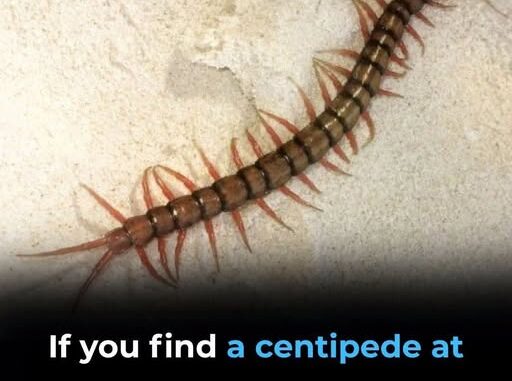
Few household discoveries are as startling as turning on the bathroom light late at night and watching a long-legged creature race across the floor in a matter of seconds. Their speed, unusual appearance, and many legs often cause an immediate reaction. Many people instinctively reach for a shoe or a can of insect spray before stopping to think about why the creature appeared in the first place.
While house centipedes may look intimidating, experts say they often reveal more about your home than about themselves. In many cases, spotting one isn’t the main problem—it’s a clue that something else inside your home deserves attention.
Understanding why centipedes enter homes can help you address the conditions attracting them and reduce the chances of seeing them again.
What Is a House Centipede?
House centipedes are fast-moving predators that commonly live in homes throughout many parts of the world. Unlike insects that feed on food scraps or stored pantry items, these creatures survive by hunting other small pests.
Their bodies are long and flattened, with numerous pairs of slender legs that allow them to move remarkably quickly across floors, walls, and ceilings. Although their appearance can be unsettling, they generally prefer to avoid people whenever possible.
Most house centipedes spend the day hidden in dark, damp areas and become active after sunset when many of their prey emerge.
Why Are They Inside Your Home?
Centipedes rarely wander indoors without a reason. Usually, they’re attracted by one or more of the following conditions:
1. They’re Looking for Food
One of the biggest reasons centipedes move indoors is because they have plenty to eat.
House centipedes feed on a variety of small household pests, including:
- Ants
- Silverfish
- Cockroaches
- Small spiders
- Termites
- Booklice
- Earwigs
- Other crawling insects
Rather than feeding on garbage or leftover food, they actively hunt these pests.
For this reason, pest control professionals often consider centipedes to be indicators rather than primary pests. If you regularly notice them inside your home, it may suggest another insect population is already established somewhere nearby.
In other words, the centipedes may simply be following their food source.
2. They Prefer Damp Environments
Moisture plays a major role in where centipedes choose to live.
Because their bodies lose water easily, they seek out humid areas where they can stay hydrated.
Common locations include:
- Bathrooms
- Basements
- Laundry rooms
- Crawl spaces
- Utility rooms
- Areas beneath sinks
- Rooms with poor airflow
If you consistently find centipedes in one particular area, it’s worth checking for excess moisture.
Possible causes include leaking pipes, condensation, poor ventilation, or high indoor humidity.
Addressing these issues can improve both your home’s condition and reduce its appeal to moisture-loving pests.
3. Weather Can Drive Them Indoors
Outdoor conditions also influence centipede activity.
During periods of heavy rain, drought, extreme heat, or cold weather, centipedes often seek shelter inside buildings where temperatures remain more stable.
Homes provide protection from harsh conditions while also offering numerous hiding places and potential food sources.
Their appearance indoors doesn’t necessarily mean there’s a severe infestation—it may simply reflect seasonal changes.
Are House Centipedes Dangerous?
Although they look alarming, house centipedes are generally considered harmless to people.
Unlike rodents, they don’t contaminate food supplies or damage furniture, clothing, or household materials.
Most centipedes avoid human contact and quickly flee when disturbed.
Their presence is often more startling than harmful.
Can They Bite?
House centipedes are capable of biting, but this is uncommon.
They possess specialized front legs that inject venom into the insects they hunt. These appendages are designed for capturing prey rather than attacking humans.
Most bites occur only if the centipede becomes trapped or is handled directly.
When bites do happen, symptoms are usually mild and may include:
- Temporary redness
- Mild swelling
- Tenderness
- A burning or stinging sensation
For most healthy adults, symptoms improve within a short period without medical treatment.
However, anyone experiencing significant swelling, difficulty breathing, or signs of an allergic reaction should seek medical attention promptly.
Why Seeing Centipedes May Actually Be Helpful
As surprising as it sounds, many homeowners would rather have a few house centipedes than the insects they feed on.
Since centipedes hunt common household pests, they naturally help reduce populations of insects that many people consider far more troublesome.
They don’t reproduce as rapidly as cockroaches or ants, and they generally remain hidden most of the time.
Their presence can serve as a reminder to inspect your home for the conditions attracting unwanted pests in the first place.
How to Reduce Centipedes Naturally
Instead of focusing only on removing individual centipedes, addressing the underlying conditions often provides longer-lasting results.
Reduce Moisture
Keeping your home dry is one of the most effective prevention strategies.
Consider:
- Repairing leaking plumbing
- Improving bathroom ventilation
- Running exhaust fans
- Using a dehumidifier in damp areas
- Drying standing water promptly
Reducing humidity makes your home less attractive to both centipedes and many other pests.
Seal Entry Points
Centipedes can enter through surprisingly small openings.
Inspect your home for:
- Foundation cracks
- Gaps around doors
- Openings near pipes
- Window frame cracks
- Damaged weather stripping
Sealing these areas can help limit future visitors.
Remove Clutter
Dark, undisturbed spaces provide excellent hiding places.
Organizing storage areas, reducing cardboard piles, and keeping basements tidy removes many of the sheltered environments centipedes prefer.
Eliminate Other Household Pests
Because centipedes rely on insects for food, reducing other pest populations naturally makes your home less appealing.Good sanitation, prompt food cleanup, and regular pest prevention can significantly reduce activity over time.
Natural Deterrents Some Homeowners Try
Some people also use non-chemical methods as part of a broader prevention plan.
These may include:
- Diatomaceous earth around baseboards and entry points
- Maintaining dry indoor conditions
- Improving airflow
- Certain essential oils, such as peppermint or eucalyptus, which some homeowners report may discourage crawling insects
While natural remedies may help in some situations, results can vary depending on the home and the severity of the problem.
What Should You Do If You Find One?
If you discover a centipede indoors, there’s usually no need to panic.
Many homeowners simply:
- Capture it in a container and release it outside
- Vacuum it up
- Use sticky traps if they appear frequently
If centipedes continue appearing regularly despite addressing moisture and pest issues, consulting a licensed pest control professional may help identify hidden sources of the problem.
The Bigger Picture
Finding a house centipede can certainly be startling, especially if it darts across the floor unexpectedly. However, these unusual creatures are often telling a larger story about your home.
They may indicate excess moisture, hidden insects, seasonal weather changes, or small entry points that deserve attention.
Rather than viewing them as the primary issue, it’s often more helpful to think of them as indicators of environmental conditions that can be improved.
Leave a Reply