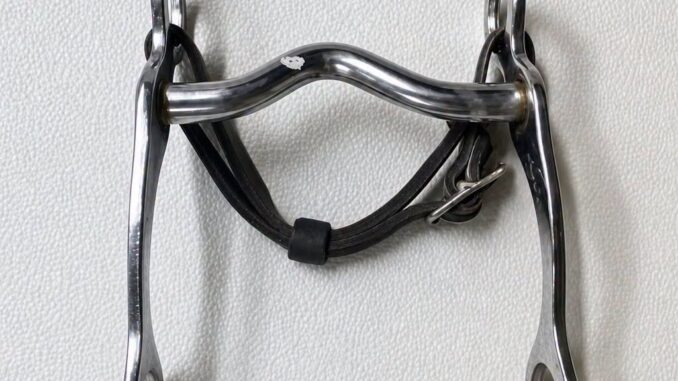
Vintage horse bits offer a fascinating glimpse into the history of transportation, agriculture, craftsmanship, and horsemanship. Although an old horse bit may appear to be a simple metal object, its design reflects centuries of practical knowledge and technological development.
For generations, horses played an essential role in everyday life. The equipment used to guide and communicate with them evolved alongside changing agricultural practices, transportation needs, and recreational activities.
Today, vintage horse bits are appreciated as historical artifacts that help preserve the traditions of earlier generations.
The Early History of Horse Bits
The origins of horse bits can be traced back thousands of years, although the precise timeline of their development remains a subject of archaeological research.
Early forms of equestrian equipment were constructed from readily available materials, including bone, wood, leather, and rope.
These basic designs helped establish methods of communication between horses and their handlers through movement and pressure.
As horses became increasingly important for transportation and agricultural activities, riding equipment gradually became more specialized.
Developments in craftsmanship allowed people to create more durable equipment suited to different working environments.
The Development of Metal Horse Bits
As metalworking techniques advanced, materials such as bronze and iron became increasingly common in equestrian equipment.
Metal offered durability and allowed craftsmen to produce a wider variety of shapes and designs.
By the Roman era, metal horse bits were widely used for transportation, riding, and other activities involving horses.
During the Middle Ages, equestrian equipment became more specialized as horses continued to serve important roles in agriculture, travel, hunting, and traditional sporting events.
These developments reflected changing practical requirements and improvements in manufacturing techniques.
Traditional Craftsmanship and Design
Blacksmiths played an important role in the production of historical horse bits.
Using traditional metalworking techniques, skilled craftsmen shaped and assembled equipment according to its intended purpose.
Some horse bits featured straightforward, functional designs, while others included decorative details, engraving, or distinctive metalwork.
Elaborate equestrian equipment sometimes reflected the owner’s financial circumstances or social position.
Today, these details provide historians and collectors with valuable information about manufacturing traditions and craftsmanship from different periods.
How a Horse Bit Functions
A horse bit is a component of a bridle that connects to the reins and rests inside the horse’s mouth.
When used appropriately, it can help communicate cues between a rider and a horse.
Different designs operate in different ways. Traditional snaffle bits generally transmit rein pressure directly, while curb bits incorporate leverage.
Other designs combine various features to accommodate particular equestrian disciplines and training requirements.
However, a bit represents only one part of communication between horses and riders. Body position, voice cues, training, and gentle handling are equally important aspects of responsible horsemanship.
Proper equipment selection and fitting are essential for maintaining the horse’s comfort and well-being.
The Importance of Horses in Rural Communities
Before automobiles, tractors, and modern agricultural machinery became widely available, horses were central to everyday rural life.
They helped transport people, move supplies, pull wagons, and support agricultural activities.
Many families depended on horses to complete daily responsibilities and maintain their livelihoods.
Equipment such as bridles, harnesses, saddles, and bits was therefore an important part of farm life.
An old horse bit discovered in a barn or farmhouse may represent a connection to this earlier period, when caring for working animals was a familiar household responsibility.
What Vintage Horse Bits Reveal About the Past
Historical equestrian equipment can provide insight into the materials, manufacturing methods, and practical requirements of earlier generations.
The construction of a vintage horse bit may reflect the tools and techniques available when it was produced.
Signs of wear, repairs, and modifications may also offer clues about its previous use.
However, identifying an item’s exact age or original purpose generally requires additional information, such as manufacturing marks, historical records, or expert evaluation.
An object’s appearance alone cannot establish its complete history.
Why Collectors Appreciate Vintage Horse Bits
Vintage horse bits have become interesting collectibles for individuals who appreciate agricultural history, traditional craftsmanship, and equestrian culture.
Collectors may look for characteristics such as:
-
Hand-forged metal construction.
-
Distinctive shapes and historical designs.
-
Decorative engraving and metalwork.
-
Manufacturer or blacksmith markings.
-
Evidence of traditional manufacturing techniques.
-
Documented historical origins.
The historical and collectible value of an individual piece depends on factors including its age, condition, rarity, and provenance.
Some examples are preserved as decorative objects, while others form part of larger collections dedicated to rural and agricultural history.
Preserving Equestrian History in Museums
Museums and historical organizations frequently preserve traditional equestrian equipment alongside other artifacts associated with rural life.
Horse bits may be displayed with saddles, bridles, harnesses, wagons, and agricultural tools.
Together, these objects help illustrate how transportation, farming, and daily responsibilities were managed before modern machinery became commonplace.
They also demonstrate the craftsmanship required to produce equipment that could withstand regular use.
Preserving these artifacts allows future generations to develop a better understanding of historical lifestyles and technological developments.
Traditional Equipment and Modern Animal Welfare
Although vintage horse bits are valuable historical objects, older equipment may not meet contemporary standards for animal comfort and safety.
Age-related deterioration, corrosion, damaged surfaces, and unsuitable designs can make antique equipment inappropriate for use with horses.
For this reason, vintage bits are often better suited to historical displays and collections.
Modern equestrian equipment should be selected according to the individual horse’s needs, with guidance from experienced professionals when necessary.
Responsible horsemanship emphasizes appropriate training, careful equipment fitting, and respect for animal welfare.
A Connection to Earlier Generations
One of the most meaningful aspects of vintage agricultural equipment is its ability to connect modern observers with the experiences of earlier generations.
An old horse bit may remind people of family farms, traditional transportation methods, and the craftsmanship that supported rural communities.
Although the individual history of a particular object may be unknown, its design can still reveal interesting details about the period in which similar equipment was used.
These artifacts encourage an appreciation for practical inventions that contributed to everyday life long before modern technology became widely available.
Final Thoughts
The vintage horse bit is a small but historically significant piece of equestrian equipment.
Its development reflects centuries of craftsmanship, agricultural progress, transportation needs, and evolving approaches to communication between people and horses.
Whether displayed in a museum, preserved in a family collection, or discovered among traditional farming equipment, a vintage horse bit offers an interesting connection to the past.
Its enduring significance demonstrates how even the simplest everyday objects can help tell the story of earlier generations and their way of life.
Leave a Reply