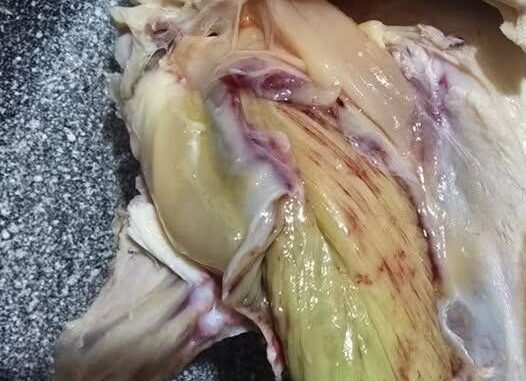
Green Chicken Meat: What It Means and How to Stay Safe in the Kitchen

Understanding why chicken sometimes appears green is only part of the picture. The real value comes from knowing how to respond calmly and safely when you encounter it. Many people panic at the sight of unusual discoloration, but with the right knowledge, you can make informed choices without unnecessary stress.

The first step is always awareness. Not every visual difference means danger. Food can vary in color for many harmless reasons, especially when it comes to meat. However, safety should always come first. When there’s any uncertainty, it’s better to slow down and evaluate rather than rush into cooking or consuming something questionable.


Trusting Your Senses

One of the most reliable tools you have in the kitchen is your own senses. Before worrying about technical explanations, take a moment to observe the chicken carefully.

  • Smell: Fresh chicken should have little to no odor. A sour, sulfur-like, or unpleasant smell is a strong sign of spoilage.
  • Touch: The surface should feel slightly moist but not sticky or slimy.
  • Appearance: While minor discoloration can happen, widespread green, gray, or dull coloring—especially paired with other warning signs—should not be ignored.

If something feels off, it usually is. Trusting these simple checks can prevent most food safety issues before they start.


Why Proper Cooking Still Matters

Even when chicken appears normal, proper cooking is essential. Harmful bacteria such as Salmonella and Campylobacter are commonly associated with raw poultry. These microorganisms aren’t visible, which is why cooking to the correct temperature is critical every time.

Reaching an internal temperature of 165°F (74°C) ensures that bacteria are destroyed, making the meat safe to eat. This step is non-negotiable, regardless of how fresh or clean the chicken appears.

Using a food thermometer is one of the simplest ways to guarantee safety. It removes guesswork and ensures consistency, especially when cooking larger or thicker cuts.


When It’s Better to Throw It Away

One of the hardest habits to develop—especially when trying to avoid waste—is knowing when to discard food.

If chicken shows multiple warning signs—such as a bad smell, slimy texture, or unusual discoloration—it’s not worth the risk. Foodborne illness can cause serious discomfort and health complications, and no meal is worth that outcome.

Think of it this way: replacing a piece of chicken is inconvenient, but getting sick is far worse.


The Role of Storage in Preventing Issues

Proper storage plays a major role in maintaining chicken quality. Even fresh, high-quality poultry can spoil quickly if not handled correctly.

To reduce risks:

  • Keep chicken refrigerated at a safe temperature (below 40°F / 4°C)
  • Store it in sealed packaging to prevent contamination
  • Use it within 1–2 days, or freeze it for longer storage
  • Avoid leaving it out at room temperature for extended periods

These simple habits significantly lower the chances of spoilage and discoloration.


Understanding the Bigger Picture

Sometimes, green discoloration isn’t about spoilage at all—it can be linked to conditions like Green Muscle Disease (also known as deep pectoral myopathy). This condition occurs when muscle tissue is damaged due to limited oxygen supply, often in fast-growing chickens.

While this doesn’t make the meat unsafe, it does affect texture and appearance. It also highlights a broader issue: how animals are raised and handled can influence the quality of the food we eat.

For consumers, this can be an opportunity to think more carefully about sourcing. Choosing responsibly raised poultry may not eliminate every issue, but it can improve overall quality and consistency.


Balancing Safety and Practicality

In everyday cooking, not every situation is clear-cut. Sometimes you’ll encounter chicken that looks slightly unusual but doesn’t show clear signs of spoilage.

In those cases:

  • Trim away any questionable areas
  • Cook the remaining meat thoroughly
  • Pay attention to smell and texture after cooking

If anything still seems off, it’s best not to eat it.

This balanced approach allows you to avoid unnecessary waste while still prioritizing safety.


Building Confidence Over Time

Food safety can feel overwhelming at first, especially with so much information available. But over time, it becomes second nature.

The more you handle, prepare, and cook food, the more confident you’ll become in recognizing what’s normal and what isn’t. Experience, combined with basic guidelines, creates a strong foundation for safe cooking.


Final Takeaway

Green chicken meat can be surprising, but it isn’t always dangerous. The key is knowing how to evaluate it properly.

Focus on:

  • Sensory checks (smell, texture, appearance)
  • Proper storage and handling
  • Thorough cooking to safe temperatures

And most importantly—don’t ignore your instincts.

When something doesn’t seem right, it’s always okay to play it safe.

With a little awareness and caution, you can handle situations like this confidently and continue preparing meals that are both safe and enjoyable.

Common Myths About Chicken Discoloration

There are many misconceptions about what different colors in chicken actually mean. One of the most common myths is that any green color automatically signals danger. In reality, color alone is not a reliable indicator of safety.

Chicken can appear slightly green, gray, or even yellowish depending on factors like lighting, freezing, oxygen exposure, or muscle condition. While these changes can look alarming, they don’t always point to spoilage. What matters most is the combination of signs—not just one visual detail.

Another myth is that cooking will “fix” spoiled chicken. While heat can kill bacteria such as Salmonella and Campylobacter, it does not remove toxins that may already be present in spoiled meat. That’s why chicken that smells bad or feels slimy should never be cooked in the first place.


How Packaging Can Affect Appearance

Modern packaging methods can also influence how chicken looks when you open it. Vacuum-sealed or tightly wrapped poultry may appear darker or slightly discolored at first because of reduced oxygen exposure.

Once exposed to air, the color often returns closer to normal within a few minutes.

However, if the unusual color remains and is paired with a strong odor or sticky texture, that’s a different situation entirely. Packaging can explain mild visual changes—but it won’t mask spoilage signs.


The Importance of Safe Handling

Food safety doesn’t begin at cooking—it starts the moment you bring chicken home.

Improper handling is one of the biggest causes of contamination in home kitchens. Even fresh chicken can become unsafe if bacteria spread to other foods or surfaces.

To reduce risk:

  • Always wash your hands before and after handling raw chicken
  • Use separate cutting boards for meat and other foods
  • Clean knives, counters, and surfaces thoroughly
  • Avoid rinsing raw chicken, as this can spread bacteria through water droplets

These habits help prevent cross-contamination, which is a major cause of foodborne illness.


Freezing and Thawing the Right Way

Freezing is one of the best ways to preserve chicken, but it must be done correctly.

When freezing:

  • Wrap the chicken tightly to prevent freezer burn
  • Label it with the date
  • Use it within a few months for best quality

When thawing, avoid leaving chicken on the counter. Instead:

  • Thaw in the refrigerator
  • Use the defrost setting on a microwave if needed
  • Or place it in a sealed bag and submerge it in cold water

Improper thawing can allow bacteria to grow rapidly, increasing the risk of spoilage—even before cooking begins.


Cooking Methods and Their Impact

Different cooking methods can affect both safety and texture.

Grilling, baking, frying, or boiling all work—as long as the internal temperature reaches 165°F (74°C). Using a thermometer ensures accuracy and eliminates guesswork.

When dealing with chicken that had minor discoloration (but passed safety checks), proper cooking becomes even more important. It ensures any harmful bacteria are eliminated.

However, keep in mind that texture issues—like sponginess from Green Muscle Disease—won’t disappear during cooking. The meat may still feel different, even if it’s safe to eat.


When in Doubt, Choose Safety

It’s natural to want to avoid wasting food, especially with rising grocery costs. But food safety should always come first.

If you’re unsure about a piece of chicken, ask yourself:

  • Does it smell normal?
  • Does the texture feel right?
  • Does the color seem unusual and suspicious?

If multiple answers raise concern, it’s safer to discard it.

Think of it as a simple rule: When in doubt, throw it out.


The Connection Between Quality and Source

Where your chicken comes from can influence both safety and appearance.

Mass-produced poultry is often processed quickly and in large quantities, which can sometimes lead to issues like bruising or muscle conditions. On the other hand, chickens raised with more space and better conditions may have fewer visible defects.

While no source is perfect, choosing reputable suppliers can improve consistency and reduce surprises.

Looking for labels like “fresh,” “properly stored,” or responsibly raised can be helpful—but it’s still important to inspect the product yourself every time.


Building Better Kitchen Habits

Food safety isn’t about perfection—it’s about consistency.

Simple habits make a big difference:

  • Check expiration dates, but don’t rely on them alone
  • Store food properly as soon as you get home
  • Cook meat thoroughly every time
  • Clean surfaces regularly

Over time, these actions become automatic. They create a routine that protects both your health and the quality of your meals.


Understanding Risk Without Fear

It’s easy to feel uneasy when you see something unusual like green chicken. But knowledge replaces fear with confidence.

Not every unusual appearance is dangerous. At the same time, not every safe-looking piece of chicken is risk-free.

The goal is balance—staying informed without overreacting.

By understanding the difference between harmless discoloration and real spoilage, you can make smarter decisions without unnecessary worry.


A Practical Example

Imagine opening a package of chicken and noticing a slight greenish tint in one area. There’s no bad smell, and the texture feels normal.

In this case, it may be a minor issue—possibly related to muscle condition. You could trim the area, cook the rest thoroughly, and proceed with caution.

Now imagine a different scenario: the chicken has a strong odor, feels sticky, and looks dull or gray-green throughout.

That’s a clear sign to discard it.

Seeing the difference between these situations helps build confidence in real-life decisions.


Final Thoughts

Green chicken meat can be surprising, but it doesn’t have to be confusing.

The key points to remember are simple:

  • Color alone doesn’t determine safety
  • Smell and texture are strong indicators of spoilage
  • Proper cooking kills harmful bacteria like Salmonella
  • Safe storage and handling prevent most problems

Cooking should be enjoyable, not stressful. With the right knowledge, you can approach situations like this calmly and confidently.

At the end of the day, food safety comes down to awareness and good habits—not fear.

And the more you practice those habits, the easier it becomes to trust your judgment in the kitchen.

Be the first to comment

Leave a Reply

Your email address will not be published.


*