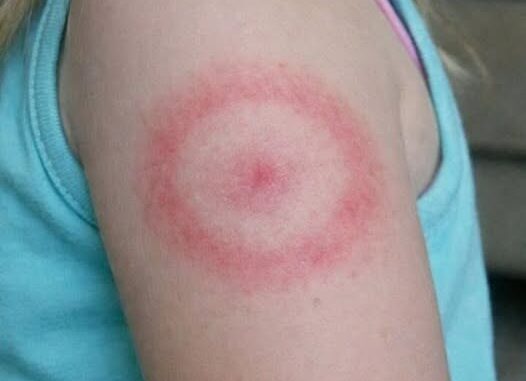
As a parent, it’s completely normal to feel uneasy when something unfamiliar appears on your child’s skin. Even small changes—like a spot, patch, or slight discoloration—can quickly catch your attention, especially when they seem to appear suddenly without a clear reason.
Picture this: your child wakes up in the morning, and as you help them get dressed, you notice a red, ring-shaped mark on their arm. It doesn’t seem to be bothering them. There’s no complaint of itching or pain, and they’re acting completely normal. Still, the appearance alone can raise concern.
Is it harmless? Is it something that needs treatment? Or is it something that should be checked by a professional?
Before assuming the worst, it helps to take a calm, informed approach. Many skin changes in children are mild and temporary. Understanding the possible causes can help you decide whether to simply observe it or seek medical advice.
Why Skin Changes Often Cause Concern
Children’s skin is more sensitive than adult skin, which means it can react quickly to everyday triggers. Things like soaps, detergents, clothing materials, insect exposure, weather changes, or minor friction can all lead to visible marks.
Because of this sensitivity, not every unusual spot indicates a health problem.
However, the shape of a mark can make it more noticeable. A circular or ring-like pattern stands out compared to irregular rashes, which is why it often draws attention and raises questions.
Possible Reasons for a Ring-Shaped Mark
There are several potential explanations for a red ring on the skin. Some are mild and temporary, while others may require treatment or monitoring.
1. Fungal Skin Infections
One of the most common causes of a ring-shaped rash is a mild fungal infection.
These often appear as:
- Circular or ring-like patches
- Slightly raised or defined edges
- Clearer skin in the center
- Mild dryness or scaling
They may or may not itch. While usually not dangerous, these infections typically don’t resolve on their own and may require antifungal treatment recommended by a healthcare provider or pharmacist.
2. Skin Irritation or Contact Reaction
Sometimes a ring-shaped mark can result from the skin reacting to something it touched.
Common triggers include:
- Soaps or detergents
- Certain fabrics or dyes
- Plants or outdoor surfaces
- Pressure from objects (like tight clothing or toys)
In these cases, the mark may fade naturally once the irritant is removed and the skin is no longer exposed to it.
3. Insect Bites
Some insect bites can cause a circular area of redness around the bite site. Depending on the child’s sensitivity, the reaction may vary.
Possible signs include:
- A red ring or patch
- Mild swelling
- Occasional itching
Most insect-related marks improve within a few days. However, if the redness spreads or changes noticeably, it may need further attention.
4. Other Skin Conditions
There are also less common conditions that can create ring-like patterns on the skin. These may not cause discomfort but can persist or slowly change in appearance over time.
Because many skin conditions can look similar, it’s not always possible to identify the exact cause based on appearance alone.
What You Can Do at Home First
If your child seems well otherwise and the mark is not causing discomfort, it is usually reasonable to observe it for a short period.
Helpful things to monitor include:
- Whether the mark is growing or spreading
- Any changes in color or texture
- Whether new spots appear nearby
- Signs of itching, sensitivity, or irritation
- Any general symptoms like tiredness or fever
Taking a clear photo can also help you track changes over time, which can be useful if you decide to speak with a healthcare professional later.
When It’s Best to Seek Medical Advice
While many skin changes are harmless, there are situations where it’s better to get professional guidance.
You should consider contacting a healthcare provider if:
- The ring continues to expand over several days
- It does not improve or fade over time
- Your child develops additional symptoms
- The area becomes painful, warm, or swollen
- You are unsure about what caused it
A medical professional can assess the situation more accurately and recommend appropriate treatment if needed.
Staying Calm Makes a Big Difference
It’s natural for parents to feel worried when something unusual appears on their child’s body. However, immediate panic is rarely helpful.
In many cases, skin changes resolve on their own or with simple treatment. Taking a calm, observant approach allows you to respond appropriately without unnecessary stress.
Supporting Healthy Skin in Children
While not all skin issues can be prevented, a few simple habits can support overall skin health:
- Use gentle, child-friendly soaps and products
- Keep skin clean and dry
- Avoid known irritants when possible
- Wash hands regularly
- Check the skin after outdoor play
These small steps can help reduce irritation and support healthy skin over time.
A Balanced Way to Approach Skin Concerns
Parenting often involves moments of uncertainty, especially when health is involved. It’s easy to imagine the worst when something looks unfamiliar, but most skin-related changes in children are not serious.
A balanced approach—observing carefully, staying informed, and seeking advice when needed—can help you make confident decisions.
Final Thoughts
A red ring on your child’s skin can certainly catch your attention, but in many cases, it is linked to a mild and manageable cause.
By paying attention to how it changes, keeping track of symptoms, and consulting a healthcare professional when necessary, you can ensure your child receives proper care while avoiding unnecessary worry.
Ultimately, being informed, observant, and calm is one of the most helpful tools any parent can have when facing situations like this.
Continuing from the previous section, it’s worth taking a closer look at how skin changes in children are evaluated in medical settings and why doctors often begin with observation rather than immediate treatment. This approach can feel surprisingly simple, but it is based on the understanding that many childhood skin conditions evolve quickly and may even resolve on their own.
When a parent brings a child in with a red, ring-shaped mark, one of the first things a healthcare professional will typically do is ask detailed questions. These may include when the mark first appeared, whether it has changed over time, and if the child has been exposed to anything new recently—such as pets, outdoor environments, or new hygiene products. These small details often provide important clues that are not immediately obvious from appearance alone.
Doctors also pay attention to whether the rash is isolated or part of a broader pattern. A single ring-shaped mark may suggest a localized reaction, while multiple similar marks across different areas of the body could indicate something more systemic, such as an allergic response or a spreading skin condition. This distinction helps guide whether simple topical treatment is enough or if further investigation is needed.
In some cases, a doctor may gently examine the area using a specialized light or magnifying tool to look more closely at the skin’s texture and borders. This helps them distinguish between conditions that may look similar at first glance but behave differently beneath the surface. For example, some rashes have sharply defined edges, while others fade gradually into surrounding skin, and this difference can be clinically significant.
Parents are often surprised to learn that not all skin conditions require medication. In fact, many are managed through what doctors call “watchful waiting.” This means keeping an eye on the area over a short period to see whether it improves, worsens, or stays the same. During this time, parents may be advised to avoid applying multiple creams or home remedies, as these can sometimes irritate the skin further or make it harder to track changes.
Comfort is another important consideration. Even when a red ring is not medically serious, it can sometimes cause mild discomfort or sensitivity. In these situations, simple supportive care—such as keeping the skin clean, avoiding scratching, and ensuring the child wears soft, breathable clothing—can make a noticeable difference in how the child feels while the skin heals.
It’s also helpful for parents to understand that children’s immune systems are still developing. Because of this, their bodies may react more visibly to minor irritants that an adult might barely notice. A brief contact with grass, a harmless insect bite, or even friction from play can sometimes create a noticeable mark that looks more dramatic than it actually is.
Despite this, it’s always better to remain attentive rather than dismissive. If something changes rapidly, spreads, or begins to affect your child’s comfort or behavior, that is usually the point where further evaluation becomes important. Trusting your instincts as a parent is valuable, especially when something simply “doesn’t look right,” even if it seems minor at first.
Over time, many parents find that they become more familiar with their child’s skin patterns and reactions. This makes it easier to distinguish between everyday changes and those that are unusual. Still, no one is expected to make these judgments alone, and healthcare professionals are always there to provide reassurance and guidance when needed.
Ultimately, a red ring on a child’s skin is not something to panic about, but it is something to notice. It serves as a reminder to stay observant, stay calm, and stay informed. Most importantly, it highlights the value of balanced decision-making—where concern is matched with patience, and awareness is paired with understanding.
By taking this steady approach, parents can respond to skin changes in a way that supports both their child’s health and their own peace of mind.
Leave a Reply