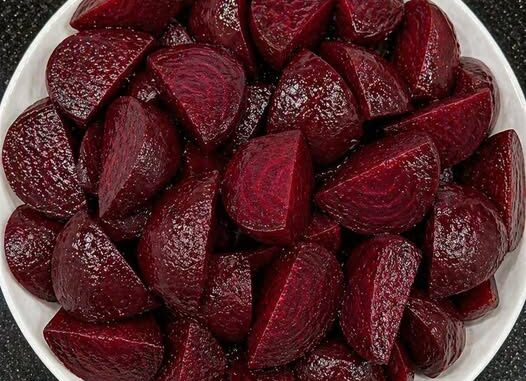
Colorful, naturally sweet, and packed with nutrients, beets have been part of traditional diets around the world for centuries. Whether roasted, steamed, pickled, or blended into smoothies, this vibrant root vegetable has earned a reputation as a nutritious addition to many meals.
In recent years, beets have attracted growing attention from nutrition researchers and health-conscious eaters alike. While no single food can prevent illness or guarantee better health, beets contain a variety of vitamins, minerals, and plant compounds that may support overall wellness when included as part of a balanced diet.
If you’ve ever wondered whether adding beets to your meals is worth trying, here’s a closer look at what they offer, how they may fit into a healthy lifestyle, and a few simple ideas for enjoying them.
A Nutrient-Rich Root Vegetable
Beets are naturally low in calories while providing a variety of essential nutrients.
A typical serving contains valuable amounts of:
- Dietary fiber
- Folate (Vitamin B9)
- Potassium
- Manganese
- Vitamin C
- Iron (in smaller amounts)
- Magnesium
In addition to vitamins and minerals, beets contain naturally occurring plant compounds called betalains, which give them their deep red or purple color.
These compounds are being studied for their antioxidant properties and their role in supporting overall health.
A Good Source of Dietary Fiber
One of the biggest advantages of eating vegetables like beets is their fiber content.
Fiber plays several important roles in everyday health.
It helps support healthy digestion, contributes to feelings of fullness after meals, and can be part of a balanced eating pattern that supports healthy cholesterol levels and stable energy throughout the day.
Many people don’t consume enough fiber, making vegetables such as beets a valuable addition to regular meals.
Naturally Rich in Folate
Folate is an essential B vitamin involved in many important functions throughout the body.
It supports normal cell growth and plays an important role in making DNA and other genetic material.
Folate is especially important during periods of rapid growth, including pregnancy, but it’s also valuable throughout adulthood as part of a nutritious diet.
Beets provide a naturally occurring source of this important nutrient.
Potassium Supports Normal Body Functions
Potassium is a mineral that helps maintain normal muscle function and supports healthy nerve signaling.
It also contributes to maintaining fluid balance within the body.
Many fruits and vegetables provide potassium, and beets are one of several excellent choices that can help increase daily intake.
Eating a variety of potassium-rich foods is generally recommended as part of a balanced diet.
Naturally Occurring Nitrates
One reason beets have received attention in sports nutrition is their naturally occurring dietary nitrates.
Inside the body, these compounds can be converted into nitric oxide, a molecule involved in helping blood vessels relax.
Researchers continue studying how dietary nitrates may support exercise performance in certain situations, particularly during endurance activities.
While some studies have shown promising results, responses vary from person to person, and beets should not be viewed as a substitute for proper training, hydration, or medical care.
Antioxidants in Everyday Nutrition
The rich color of beets comes from pigments called betalains.
These compounds belong to a group of naturally occurring antioxidants found in many colorful fruits and vegetables.
Antioxidants help protect cells from normal oxidative processes that occur within the body.
Although research continues exploring their long-term effects, health experts generally recommend eating a wide variety of colorful produce because each type offers different beneficial plant compounds.
Including beets alongside leafy greens, berries, carrots, tomatoes, peppers, and other vegetables helps create a more diverse and nutritious eating pattern.
May Support an Active Lifestyle
Because of their nutrient profile, beets have become popular among athletes and physically active individuals.
Some people enjoy beet juice before exercise, while others simply include roasted beets in regular meals.
Current research suggests dietary nitrates may contribute to exercise efficiency for certain individuals, although results vary depending on the type of activity and the person involved.
Regardless of athletic goals, eating vegetables consistently remains one of the best long-term habits for supporting overall wellness.
Beets and Heart-Friendly Eating Patterns
Heart health depends on many factors.
Regular physical activity.
Adequate sleep.
Not smoking.
Managing stress.
Following medical advice.
Eating a balanced diet.
Beets can fit comfortably into heart-friendly eating plans because they provide fiber, potassium, and other nutrients while naturally containing very little saturated fat.
No single food determines cardiovascular health, but consistently eating vegetables as part of an overall healthy lifestyle may contribute to long-term wellness.
Easy Ways to Enjoy Beets
One reason some people avoid beets is simply because they aren’t sure how to prepare them.
Fortunately, they’re surprisingly versatile.
Here are several easy ideas:
Roast Them
Roasting brings out beets’ natural sweetness.
Simply wash, wrap in foil or slice into wedges, drizzle lightly with olive oil, and roast until tender.
They pair well with herbs and many vegetables.
Add Them to Salads
Cooked or roasted beets work beautifully in salads.
Combine them with leafy greens, cucumbers, walnuts, seeds, or a sprinkle of cheese for a colorful meal.
Blend Into Smoothies
Cooked beets can add natural color and mild sweetness to fruit smoothies.
Many people blend them with berries, bananas, yogurt, or plant-based milk.
Make Homemade Soup
Beets are commonly used in traditional soups throughout many cultures.
Their rich color and earthy flavor create hearty, satisfying meals during cooler months.
Pickled Beets
Pickling provides another delicious way to enjoy beets while adding variety to sandwiches, salads, or side dishes.
Grain Bowls
Slice roasted beets into bowls containing quinoa, brown rice, roasted vegetables, beans, or grilled protein for a balanced lunch or dinner.
Beets Are Only One Part of Healthy Eating
Sometimes headlines make individual foods sound almost magical.
Nutrition is rarely that simple.
No single fruit, vegetable, or supplement can replace an overall healthy lifestyle.
Instead of searching for one “superfood,” experts generally recommend eating a wide variety of nutritious foods.
Beets work best as one component of a balanced eating pattern that includes:
- Fruits
- Vegetables
- Whole grains
- Lean protein sources
- Healthy fats
- Adequate hydration
Small, consistent habits often produce greater long-term benefits than focusing on any single ingredient.
Things to Keep in Mind
For most healthy adults, beets can be enjoyed safely as part of a varied diet.
Because they contain natural pigments, eating beets may temporarily cause urine or stools to appear pink or reddish in some people. This harmless effect is sometimes called beeturia and usually resolves on its own.
People with certain medical conditions—such as kidney disease, those advised to limit potassium, or individuals with a history of kidney stones—should discuss significant dietary changes with their healthcare provider or a registered dietitian.
If you have specific medical concerns or take prescription medications, personalized advice from a healthcare professional is always the best approach.
Why Variety Matters Most
Healthy eating isn’t about perfection.
It’s about consistency.
Adding colorful vegetables to your meals, trying new recipes, and enjoying a range of nutrient-rich foods can make eating both enjoyable and beneficial.
Beets offer vibrant color, satisfying flavor, and valuable nutrients that fit easily into many different cuisines.
Whether you enjoy them roasted, blended, steamed, or sliced into a salad, they provide another delicious way to increase vegetable intake throughout the week.
Final Thoughts
Beets may not be a miracle food, but they are certainly a nutritious one.
Rich in fiber, vitamins, minerals, and naturally occurring plant compounds, they can contribute to a balanced diet that supports overall well-being. When paired with regular exercise, adequate sleep, stress management, and routine healthcare, simple dietary choices like including more vegetables can make a meaningful difference over time.
The healthiest eating habits are often the simplest: choose a variety of colorful foods, prepare meals you enjoy, and focus on consistency rather than perfection.
Adding beets to your menu is one easy step toward bringing more nutrition—and more color—to your plate.
Leave a Reply